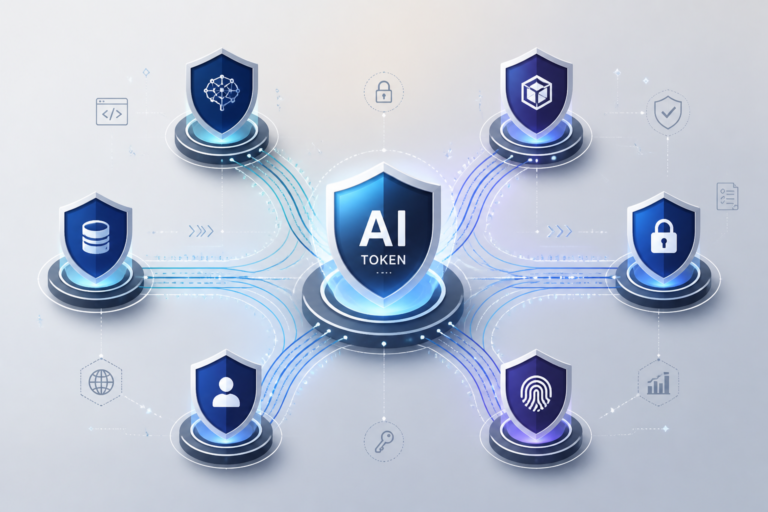
In today’s digital landscape, managing AI tokens is critical for businesses aiming to enhance security and operational efficiency. This comprehensive guide to AI token management explores best practices, tools, and strategies to ensure effective token handling.
AI token management involves the secure and efficient handling of digital tokens that facilitate authentication, data access, and resource allocation within AI systems. As organizations increasingly rely on AI technologies, understanding how to manage these tokens effectively becomes essential.
Understanding AI Tokens
AI tokens serve various purposes, including verifying user identities and controlling access to sensitive data. In addition, they play a crucial role in ensuring that automated systems operate smoothly and securely.
Because of this, organizations must implement robust token management strategies. This includes generating, storing, and validating tokens to minimize the risk of unauthorized access and data breaches.
Best Practices for AI Token Management
To effectively manage AI tokens, consider the following best practices:
- Secure Token Generation: Ensure that tokens are generated using strong cryptographic algorithms to prevent unauthorized creation.
- Token Storage: Store tokens securely using encryption methods to protect them from unauthorized access.
- Regular Token Rotation: Regularly rotate tokens to reduce the risk of long-term exposure.
- Access Control: Implement strict access controls to limit who can issue and validate tokens.
- Monitoring and Logging: Continuously monitor token usage and log access attempts to detect any anomalies.
Tools for AI Token Management
There are several tools available that can help streamline AI token management:
For useful background on this topic, see Complete Guide to WooCommerce Software License Management with Key Plugins.
- Identity and Access Management (IAM) Solutions: These tools help manage user identities and control access to resources.
- API Management Platforms: Specialized platforms that facilitate the secure use of APIs, including token management features.
- Integrated AI Management Tools: Comprehensive solutions that combine various AI management functionalities, including token lifecycle handling.
For example, implementing an IAM solution can significantly enhance your organization’s security posture by ensuring that only authorized users have access to sensitive data.
Implementing AI Token Management
To implement an effective AI token management strategy, follow these steps:
- Assess Your Needs: Determine the specific requirements of your organization regarding AI token management.
- Select Appropriate Tools: Choose tools that align with your organization’s needs and can integrate with existing systems.
- Establish Policies: Develop clear policies and procedures for token generation, storage, and validation.
- Train Staff: Ensure that all relevant personnel are trained in token management best practices.
By following these steps, organizations can create a robust framework for managing AI tokens effectively.
Challenges in AI Token Management
Despite its importance, AI token management comes with challenges, such as:
- Complexity of Integration: Integrating token management solutions with existing enterprise systems can be complex and time-consuming.
- Compliance Requirements: Organizations must ensure that their token management practices comply with relevant regulations and standards.
- Security Risks: The risk of token theft or misuse remains a significant concern.
To mitigate these challenges, organizations should stay informed about best practices and continuously evaluate their token management strategies.
Conclusion
In conclusion, effective AI token management is crucial for maintaining security and operational efficiency in today’s digital landscape. By following best practices, leveraging the right tools, and implementing robust policies, organizations can enhance their token management capabilities.
Practical Examples of AI Token Management
To better understand how AI token management can be effectively implemented, consider the following practical examples:
For a practical companion to this section, explore Streamline WooCommerce Software Sales: License Management Plugins Guide.
Example 1: E-commerce Platform
An e-commerce platform utilizes AI tokens to authenticate users during checkout. By implementing secure token generation and storage, the platform ensures that user payment information is protected. Tokens are generated upon user login and expire after a short period of inactivity, reducing the risk of unauthorized transactions.
Example 2: Healthcare Application
A healthcare application employs AI tokens to manage access to sensitive patient data. Each healthcare professional is issued a unique token that grants access to only the data necessary for their role. Regular token rotation is enforced to enhance security, and access logs are monitored to detect any suspicious activity.
Comparative Analysis of Token Management Tools
When selecting tools for AI token management, it is essential to compare different options based on several criteria:
- Functionality: Assess the features each tool offers, such as token generation, storage, and monitoring capabilities.
- Integration: Evaluate how well the tool integrates with existing systems and workflows.
- Scalability: Consider whether the tool can scale with your organization’s growth and increasing token management needs.
- Compliance: Ensure that the tool meets industry regulations and standards relevant to your organization.
- Cost: Analyze the pricing structure and overall value for the features provided.
Implementation Steps for AI Token Management
Implementing an effective AI token management strategy requires a structured approach. Here are the essential steps:
- Conduct a Risk Assessment: Identify potential risks associated with token management in your organization.
- Define Token Lifecycle: Establish clear processes for token creation, usage, expiration, and revocation.
- Select and Configure Tools: Choose the appropriate tools based on your earlier comparative analysis and configure them to meet your organization’s needs.
- Develop a Monitoring Plan: Set up monitoring systems to track token usage and detect anomalies in real-time.
- Regularly Review and Update Policies: Periodically review token management policies to ensure they remain effective and relevant.
Related XoBytes Products

Agentic Consultant, Product Rep, & Customer Service Agent By XoBytes.com
$19.99
Agentic Consultant for WordPress gives your website a smart AI product rep, customer service agent, and hands-free voice…

Agentic Construction Theme | More than just a theme | Built for all trades
$49.99
Why You Need This Theme And Plugin! Click here for the Demo Agentic Construction Theme by XoBytes is…

Social Media Autopilot With AI by XoBytes.com
$19.99
Xobytes Social Autopilot is a WordPress social media autoposter that helps schedule and promote posts, pages, WooCommerce products,…
Decision Criteria for Choosing Token Management Solutions
When deciding on a token management solution, consider the following criteria to make an informed choice:
- User Experience: The interface should be user-friendly, enabling quick adoption by your team.
- Support and Documentation: Look for solutions that offer comprehensive support and detailed documentation to assist with implementation and troubleshooting.
- Customization: The ability to customize token management processes to fit your organization’s specific needs is crucial.
- Community and Ecosystem: A strong user community and ecosystem can provide additional resources, plugins, and integrations that enhance the tool’s functionality.
Future Trends in AI Token Management
As technology evolves, so do the strategies and tools for AI token management. Here are some future trends to watch:
- Decentralized Identity Solutions: These solutions leverage blockchain technology to enhance the security and privacy of token management.
- AI-Driven Analytics: Advanced analytics powered by AI can provide insights into token usage patterns and help identify potential security threats.
- Integration of Zero Trust Architecture: Implementing a zero trust model will reshape token management by requiring continuous verification of user identities.
Advanced Strategies for AI Token Management
To further enhance your AI token management practices, consider implementing the following advanced strategies:
- Token Binding: This technique links tokens to specific devices or sessions, making it more difficult for attackers to use stolen tokens from unauthorized devices.
- Multi-Factor Authentication (MFA): Incorporating MFA adds an additional layer of security, requiring users to provide more than one form of verification before access is granted.
- Behavioral Analytics: Utilize AI-driven behavioral analytics to monitor user behavior and flag any unusual activities that may indicate token misuse or compromise.
Case Studies of Successful AI Token Management
Examining real-world case studies can provide valuable insights into successful AI token management implementations:
Continue with Ensuring WordPress Security: Top Software Integrity Testing Tools for additional XoBytes guidance.
Case Study 1: Financial Services Firm
A leading financial services firm adopted a comprehensive AI token management system to secure customer transactions. By implementing token binding and MFA, they significantly reduced fraud incidents. The firm also employed behavioral analytics to monitor transaction patterns, allowing them to detect and respond to anomalies in real-time.
Case Study 2: Educational Institution
An educational institution utilized AI tokens to manage access to online course materials. They implemented regular token rotation and strict access controls, ensuring that only enrolled students could access specific resources. The institution also developed a training program for staff and students on token security, which improved overall awareness and compliance.
Comparative Analysis of Token Management Strategies
When evaluating different strategies for AI token management, consider the following aspects:
- Effectiveness: Assess how well each strategy mitigates risks and enhances security.
- Cost Efficiency: Evaluate the cost implications of implementing each strategy versus the potential risks they address.
- Ease of Implementation: Consider how easily each strategy can be integrated into your existing systems without major disruptions.
- Long-Term Viability: Analyze whether the strategy can adapt to future technological advancements and evolving security threats.
Integration of AI Token Management with Other Security Protocols
Integrating AI token management with other security protocols can create a more robust security framework. Here are some key integrations to consider:
- Identity Verification Systems: Combine token management with identity verification to strengthen access controls.
- Data Loss Prevention (DLP): Integrate token management with DLP solutions to prevent unauthorized data access and sharing.
- Incident Response Plans: Ensure that your token management strategy aligns with your organization’s incident response protocols for quick recovery from security breaches.
Future-Proofing Your AI Token Management Strategy
To ensure that your AI token management strategy remains effective in the face of evolving threats, consider the following future-proofing measures:
- Continuous Education: Regularly update your team on the latest trends and threats in token management.
- Invest in Emerging Technologies: Explore new technologies such as quantum encryption and advanced AI algorithms that can enhance token security.
- Regular Audits: Conduct periodic audits of your token management practices to identify areas for improvement and adapt to new challenges.
Frequently Asked Questions
Here are some common questions regarding AI token management:
- What is AI token management and why is it important? AI token management involves the secure and efficient handling of digital tokens used in AI systems for authentication, data access, and resource allocation. It is crucial for maintaining security, compliance, and operational efficiency.
- How does AI token management improve data security? Effective AI token management ensures that tokens are securely generated, stored, and validated, reducing the risk of unauthorized access and data breaches.
- What are common tools or solutions for AI token management? Popular solutions include specialized API management platforms, identity and access management systems, and integrated AI management tools that streamline token lifecycle handling.
- Can AI token management be integrated with existing enterprise systems? Yes, most AI token management solutions are designed to integrate with current enterprise infrastructure, APIs, and security protocols to ensure seamless operation.
By understanding and implementing effective AI token management strategies, organizations can better secure their digital assets and streamline their operations.