When embarking on a software development project, understanding the pricing structure is crucial. Breaking down software development pricing can help businesses make informed decisions and budget effectively. In this article, we will explore key factors that influence software development costs, various pricing models, and practical tips for estimating and negotiating project budgets.
Understanding Software Development Pricing
Software development pricing is not a one-size-fits-all scenario. Several elements come into play, and having a grasp on these can significantly impact your project’s success. Understanding Software Development Pricing: Key Factors and Cost Estimation Tips outlines the various factors that can affect your budget, including:
- Project Complexity: More complex projects typically require more resources and time, leading to higher costs.
- Scope of Work: Clearly defined project scopes help in accurate cost estimation.
- Technology Stack: The choice of technology can significantly influence development costs.
- Team Expertise: Experienced developers may charge more, but their efficiency can lead to cost savings in the long run.
- Development Duration: Longer projects incur higher costs, so efficient planning is essential.
Common Software Development Pricing Models
There are several pricing models in software development, each with its pros and cons. To help you navigate these options, here are the most common models:
- Fixed-Price Model: This model is suitable for projects with well-defined scopes. Clients pay a set price, which can be beneficial for budgeting but may lead to scope creep if requirements change.
- Time and Materials Model: Here, clients pay for the actual time spent and materials used. This model offers flexibility but can lead to unpredictable costs.
- Dedicated Team Model: This involves hiring a team of developers for an extended period. This model is ideal for ongoing projects requiring a consistent workforce.
Choosing the right pricing model depends on your project’s unique requirements. For more detailed insights, consider reading A Practical Guide to Software Development Pricing Models and Budgeting.
How to Estimate Software Development Costs
Estimating costs accurately is vital for project success. Here are some practical tips:
- Define Project Requirements: Clearly outline what you need. This includes features, functionality, and user experience.
- Break Down Features: Decompose your project into smaller, manageable parts to better estimate costs.
- Consult with Developers: Engage with developers early to get insights into feasible solutions and their associated costs.
- Consider Ongoing Maintenance: Don’t forget to budget for post-launch maintenance and updates.
Negotiating Software Development Costs
Effective negotiation can lead to better pricing and terms. Here are some tips to help you:
- Do Your Research: Understand the market rates for development services to ensure you’re getting a fair deal.
- Be Transparent: Share your budget constraints with potential developers. This openness can lead to creative solutions that fit your budget.
- Focus on Value: Instead of just the price, consider the value the developer brings to the project.
Conclusion
Understanding software development pricing is essential for businesses looking to manage their budgets effectively. With the right knowledge, you can navigate the complexities of pricing models and negotiate better terms. This proactive approach will not only save costs but also ensure that your software project aligns with your business goals.
Comparing Pricing Models: Which One is Right for You?
Choosing the right pricing model for your software development project is crucial, as it can significantly impact both your budget and the project’s outcome. Below, we will compare the three primary models to help you make an informed decision.
1. Fixed-Price Model
- Best For: Projects with a well-defined scope and clear requirements.
- Pros: Predictable costs, easier budget management, and clear deliverables.
- Cons: Limited flexibility for changes and potential for scope creep if requirements evolve.
2. Time and Materials Model
- Best For: Projects where requirements may change or are not fully known at the outset.
- Pros: Flexibility to adapt to changes and the ability to add features as needed.
- Cons: Unpredictable costs and the need for careful monitoring of hours worked.
3. Dedicated Team Model
- Best For: Long-term projects or ongoing software development needs.
- Pros: Access to a full team of experts, consistent quality, and the ability to scale resources as needed.
- Cons: Higher upfront costs and potential for resource underutilization if the team is not fully engaged.
Factors to Consider When Choosing a Pricing Model
When determining which pricing model to adopt, consider the following factors:
- Project Size: Larger projects may benefit from the dedicated team model, while smaller projects could fit better within a fixed-price framework.
- Flexibility Needs: If you anticipate changes in project scope, the time and materials model may be more appropriate.
- Budget Constraints: Fixed-price models can help manage tight budgets, while time and materials may lead to higher costs if not monitored closely.
- Long-Term Goals: Consider whether this project is a one-off or part of a broader strategy that may require ongoing development.
Practical Steps for Budgeting Your Software Development Project
Once you’ve chosen a pricing model, follow these practical steps to budget effectively:
For a practical companion to this section, explore Understanding Custom Software Development: When and Why Your Business Needs It.
- Conduct a Feasibility Study: Assess the technical and financial viability of your project to ensure it aligns with your business goals.
- Gather Quotes: Reach out to multiple development agencies or freelancers to get a range of quotes based on your project requirements.
- Factor in Hidden Costs: Include costs for project management, quality assurance, and potential training for your team on the new software.
- Plan for Contingencies: Set aside a percentage of your budget (typically 10-20%) for unexpected expenses that may arise during development.
Related XoBytes Products

Agentic Consultant, Product Rep, & Customer Service Agent By XoBytes.com
$19.99
Agentic Consultant for WordPress gives your website a smart AI product rep, customer service agent, and hands-free voice…
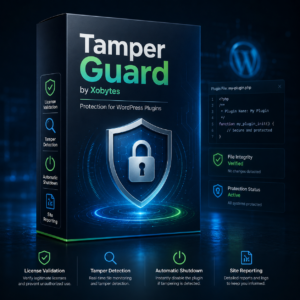
Tamper Guard by XoBytes | WordPress Plugin Tamper Detector
$25.00
Protect your commercial WordPress plugins with license-based tamper detection, file integrity monitoring, automatic shutdown protection, and site reporting.…
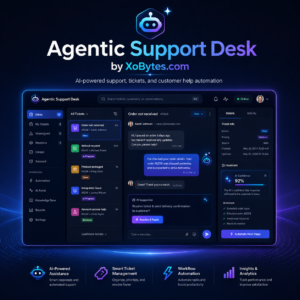
Agentic Support Desk for WordPress by XoBytes.com
$19.99
Agentic Support Desk by Xobytes is an AI-powered WordPress support desk built for software sellers, WooCommerce stores, agencies,…
Real-World Examples of Software Development Pricing
Understanding how different companies have approached software development pricing can provide valuable insights. Here are a couple of examples:
Example 1: E-commerce Platform
An e-commerce startup opted for a fixed-price model for their initial platform development. They had a clear vision and detailed requirements, which allowed them to budget effectively. However, as they grew, they found that they needed to frequently update and add features, leading them to switch to a time and materials model for ongoing development.
Example 2: Mobile Application
A healthcare company decided to use the dedicated team model for their mobile application project. They required ongoing support and feature enhancements after the initial launch. By having a dedicated team, they ensured that they could quickly respond to user feedback and regulatory changes.
Conclusion: Making the Right Choice for Your Project
Ultimately, the choice of pricing model should align with your project’s specific needs and your organization’s long-term strategy. By carefully evaluating the factors discussed and learning from real-world examples, you can make a more informed decision that will lead to a successful software development experience.
Implementation Steps for Your Chosen Pricing Model
Once you have selected a suitable pricing model for your software development project, it’s essential to implement it effectively. Here are some key steps to follow:
- Draft a Detailed Project Plan: Create a comprehensive project plan that outlines timelines, deliverables, and milestones. This will serve as a roadmap for both you and the development team.
- Set Clear Communication Channels: Establish regular check-ins and updates with the development team to ensure everyone is aligned and any issues are addressed promptly.
- Monitor Progress Closely: Depending on the pricing model, keep a close eye on the budget and hours worked. Use project management tools to track progress and expenses effectively.
- Review and Adjust: Be prepared to review the project scope and budget regularly. If using the time and materials model, assess whether the hours worked align with the expected deliverables.
Real-World Case Studies: Lessons Learned
Examining real-world case studies can provide insights into the practical implications of different pricing models. Here are two notable examples:
Continue with Understanding Custom Software Development: When and Why Your Business Needs It for additional XoBytes guidance.
Case Study 1: SaaS Development with Fixed-Price Model
A SaaS company set a fixed price for developing a new feature set based on a well-defined scope. Initially, this approach worked well, allowing for precise budgeting. However, as user feedback came in, they realized the need for additional features. The company learned the importance of building flexibility into fixed-price contracts to accommodate future changes without incurring excessive costs.
Case Study 2: Agile Development with Time and Materials Model
A fintech startup adopted the time and materials model to develop a complex application that required frequent iterations based on user testing. This model allowed them to pivot quickly in response to user feedback. However, they faced challenges with budget overruns due to unforeseen complexities. The takeaway was the necessity of setting strict monitoring and reporting practices to keep costs in check.
Decision Criteria for Selecting the Right Model
When faced with the decision of which pricing model to choose, consider the following criteria:
- Project Clarity: If your project requirements are clear and unlikely to change, a fixed-price model may be the best choice.
- Flexibility Requirements: For projects that are likely to evolve, the time and materials model offers the adaptability needed.
- Budget Stability: If maintaining a strict budget is crucial, consider a fixed-price model to avoid unexpected expenses.
- Long-Term Engagement: If your project requires ongoing updates and support, the dedicated team model may be more suitable.
Best Practices for Cost Management
Managing costs effectively throughout the software development process is key to staying within budget. Here are some best practices:
- Regular Budget Reviews: Schedule periodic reviews of the budget to assess spending against the original estimates.
- Utilize Agile Methodologies: Implement agile practices that allow for iterative development and regular feedback to minimize costly changes later in the project.
- Engage Stakeholders: Keep stakeholders informed and involved throughout the development process to ensure alignment and address concerns early.
- Invest in Quality Assurance: Allocate resources for thorough testing to avoid costly fixes after deployment.
Frequently Asked Questions
Here are some common questions related to software development pricing:
- What are the main factors influencing software development costs? Key factors include project complexity, scope, technology stack, team expertise, and development duration.
- What are common software development pricing models? Typical models include fixed-price, time and materials, and dedicated team or staff augmentation models.
- How can I estimate the cost of a custom software project? Estimate by defining project requirements, breaking down features, consulting with developers, and considering ongoing maintenance costs.
- What are the benefits of understanding software development pricing early? Early understanding helps in budget planning, avoiding surprises, and negotiating better terms with developers or agencies.