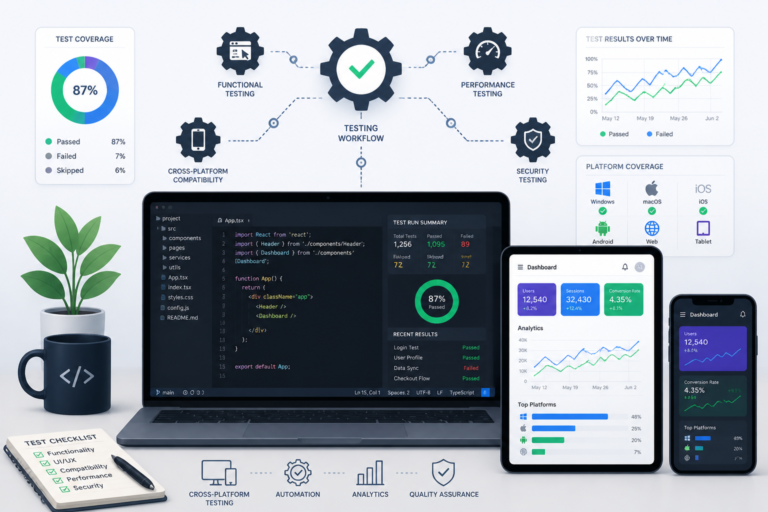
In the world of software development, understanding the factors that influence platform testing services costs is crucial for businesses aiming to allocate budgets effectively. Whether you are developing a new application or enhancing an existing one, knowing the costs associated with testing can help you make informed decisions. This article will delve into the various elements that affect these costs and provide insights into how you can budget for your software projects.
What Are Platform Testing Services?
Platform testing services are specialized evaluations that ensure software applications function correctly across different platforms. These services assess aspects such as functionality, performance, and security. Consequently, they play a vital role in delivering high-quality software that meets user expectations.
Why Understanding Costs Is Important
Understanding the costs associated with platform testing services is essential for several reasons:
- Budget Management: By estimating costs accurately, businesses can allocate resources effectively and avoid unexpected expenses.
- Provider Selection: Knowing the costs helps you choose the right testing service provider that fits your budget and project needs.
- Project Success: Proper cost management contributes to the overall success of the software project, ensuring timely delivery and quality outcomes.
Key Factors Influencing Platform Testing Services Costs
Several factors can significantly impact the costs of platform testing services. Understanding these factors will enable you to make informed decisions during the budgeting process. Here are some of the most critical elements:
For useful background on this topic, see How to Estimate the Cost of Platform Testing Services for Your Software Project.
1. Project Complexity
The complexity of your project is one of the primary factors influencing testing costs. More complex applications require more extensive testing efforts, which can lead to higher costs. For example, an application with multiple features, integrations, and user interfaces will demand more rigorous testing than a simple app.
2. Type of Testing Required
Different types of testing come with varying costs. Here are some common types:
- Functional Testing: Ensures the application behaves as expected.
- Performance Testing: Assesses how the application performs under load.
- Security Testing: Identifies vulnerabilities in the application.
- Usability Testing: Evaluates the user experience and interface.
Each type of testing requires different resources and expertise, impacting the overall cost.
3. Technology Stack
The technology stack used in your application can also influence testing costs. Some technologies may require specialized testing tools or expertise, which can drive up costs. Therefore, it is essential to consider the technology stack when budgeting for testing services.
4. Geographic Location of the Testing Team
The location of your testing team can affect costs significantly. For instance, hiring a local team may be more expensive than outsourcing to countries with lower labor costs. However, consider the trade-offs in quality, communication, and time zone differences when deciding.
For a practical companion to this section, explore Understanding Software Development Pricing: Key Factors and Cost Estimation Tips.
5. Duration of Testing
The length of the testing process directly correlates with costs. Longer testing periods require more resources, increasing overall expenses. Therefore, it’s important to plan the testing timeline carefully to balance thoroughness with cost efficiency.
How to Budget for Platform Testing Services
To effectively budget for platform testing services, follow these steps:
- Define Project Scope: Clearly outline the project’s goals, features, and functionalities.
- Identify Testing Needs: Determine the types of testing required based on your project complexity.
- Research Costs: Gather information on average costs for different types of testing and providers.
- Allocate Resources: Set aside a budget for testing services and ensure it aligns with your overall project budget.
- Monitor and Adjust: Keep track of testing expenses and adjust your budget as necessary throughout the project.
Choosing the Right Testing Service Provider
Selecting the right testing service provider is crucial for the success of your project. Here are some tips to help you choose:
- Evaluate Expertise: Look for providers with experience in your industry and technology stack.
- Check Reviews: Read customer reviews and case studies to assess the provider’s track record.
- Request Proposals: Obtain detailed proposals from multiple providers to compare services and costs.
- Communicate Clearly: Ensure that the provider understands your project requirements and expectations.
Related XoBytes Products

Agentic Construction Theme | More than just a theme | Built for all trades
$49.99
Why You Need This Theme And Plugin! Click here for the Demo Agentic Construction Theme by XoBytes is…

VYRAL Video Yield & Reach Automation Loop
$0.00
Turn Carousel Slides Into Promotional Videos VYRAL by XoBytes is built around one main idea: Create a carousel…

Upgrades, Packages & Tiers for WooCommerce By XoBytes.com
$25.00
This is a FREEMIUM plugin. Get the free version “Upgrades, Packages & Tiers for WooCommerce By XoBytes.com” Pro…
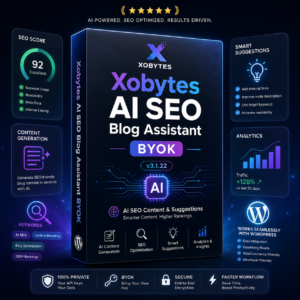
AI SEO Data & Automatic Blog Writer for WordPress by XoBytes
$19.99
Turn your WordPress site, Google Search Console data, and SEO opportunities into smarter blog posts, pages, titles, meta…

Social Media Autopilot With AI by XoBytes.com
$19.99
Xobytes Social Autopilot is a WordPress social media autoposter that helps schedule and promote posts, pages, WooCommerce products,…
Product 1 of 6
Conclusion
Understanding the factors that influence platform testing services costs is essential for effective budgeting and project success. By considering project complexity, testing types, technology stacks, and other influencing factors, you can allocate resources wisely and choose the right testing provider. Ultimately, effective cost management in platform testing will lead to higher quality software and greater customer satisfaction.
Continue with Key Factors That Affect the Cost to Develop Custom Software Platforms for additional XoBytes guidance.
Practical Examples of Cost Implications
Understanding the real-world implications of platform testing services costs can help businesses make informed decisions. Here are a few practical examples:
- Startup vs. Established Company: A startup developing a mobile application may face higher per-unit testing costs due to limited resources and experience. In contrast, an established company with a dedicated testing team can spread costs over multiple projects, reducing the per-project expense.
- Custom vs. Off-the-Shelf Solutions: Custom applications often require more extensive testing due to unique functionalities, leading to higher costs. Conversely, off-the-shelf solutions may have standardized testing protocols, resulting in lower costs.
- In-House vs. Outsourced Testing: Companies that choose to manage testing in-house may incur costs related to hiring specialized staff and purchasing testing tools. Outsourcing can mitigate these costs but may introduce challenges in communication and project alignment.
Comparing Different Testing Service Providers
When selecting a testing service provider, it’s essential to compare their offerings comprehensively. Here are some criteria to consider:
- Service Range: Ensure the provider offers a full range of testing services relevant to your project, including functional, performance, security, and usability testing.
- Pricing Structure: Examine how each provider structures their pricing. Some may offer fixed pricing for specific services, while others may charge hourly rates. Understanding this can help you compare costs more effectively.
- Turnaround Time: Assess the average turnaround time for testing projects. A provider that can deliver results quickly may save you time and money in the long run.
- Post-Testing Support: Consider whether the provider offers post-testing support, such as bug fixes or additional iterations. This can influence overall project costs if issues arise after initial testing.
Implementation Steps for Effective Testing Budgeting
To ensure a successful budgeting process for platform testing services, follow these implementation steps:
- Conduct a Risk Assessment: Identify potential risks associated with your project that could affect testing costs, such as tight deadlines or complex features.
- Engage Stakeholders: Involve key stakeholders in the budgeting process to gather insights and ensure alignment on testing needs and costs.
- Choose Testing Tools Wisely: Select testing tools that suit your project requirements without overspending. Consider open-source options for cost savings if they meet your needs.
- Review and Revise: Regularly review your budget as the project progresses. Be prepared to revise your budget based on unforeseen circumstances or changes in project scope.
Decision Criteria for Selecting Testing Types
Choosing the right type of testing is crucial for managing costs effectively. Here are some decision criteria to consider:
- Project Goals: Align the testing type with your project goals. For example, if user experience is a priority, prioritize usability testing.
- Regulatory Requirements: Certain industries have strict compliance standards that may necessitate specific types of testing, such as security testing in finance.
- Resource Availability: Consider the resources available, including time and budget, when selecting testing types. Some testing methods may require more extensive resources than others.
Frequently Asked Questions
Here are some frequently asked questions about platform testing services and their costs:
- What are platform testing services? Platform testing services assess the functionality, performance, and security of software applications across various platforms.
- How can I estimate testing service costs? To estimate costs, consider factors such as project scope, complexity, testing methodologies, and the experience of the testing team.
- Why is understanding costs important? Understanding costs helps in budgeting effectively, avoiding unexpected expenses, and choosing the right testing service provider.
- What factors influence platform testing costs? Factors include project size, testing type, technology stack, location of the testing team, and the duration of the testing process.
- How do I choose a testing service provider? Evaluate providers based on their expertise, experience, customer reviews, and alignment with your project needs.