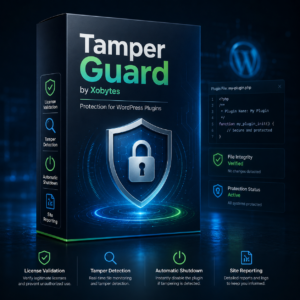
Tamper Guard by XoBytes | WordPress Plugin Tamper Detector
$25.00
Protect your commercial WordPress plugins with license-based tamper detection, file integrity monitoring, automatic shutdown protection, and site reporting.…

WordPress is one of the most popular content management systems in the world, and its flexibility is largely due to its vast array of plugins. If you're looking to enhance your website's functionality, developing a custom WordPress plugin is a great way…
WordPress is one of the most popular content management systems in the world, and its flexibility is largely due to its vast array of plugins. If you’re looking to enhance your website’s functionality, developing a custom WordPress plugin is a great way to achieve this. In this guide, we will explore the entire process of WordPress plugin development from idea to deployment, with a special focus on how XoBytes can assist you in creating effective solutions.
To ensure your plugins are secure and reliable, consider using Tamper Guard by XoBytes. This plugin offers essential features like license-based tamper detection and file integrity monitoring, protecting your commercial WordPress plugins from unauthorized access. With a price of just $25, it’s a valuable investment for any developer looking to safeguard their work.
Before diving into the development process, it’s crucial to understand what a WordPress plugin is. Essentially, plugins are pieces of software that extend the functionality of your WordPress site. They can add new features, improve performance, or enhance user experience. There are thousands of plugins available in the WordPress repository, but creating a custom plugin allows you to tailor functionalities to your specific needs.
First, you need to clearly define the purpose and functionality of your plugin. Ask yourself:
By answering these questions, you can create a roadmap for your plugin development.
Next, you need to set up a local development environment. This typically involves installing software like:
Setting up this environment allows you to test your plugin without affecting a live site.
When coding your plugin, follow these best practices:
By adhering to these practices, you’ll create a robust and maintainable plugin.
Testing is a critical phase in plugin development. Ensure your plugin is compatible with various themes and other plugins. Utilize tools like:
This step helps identify bugs and ensures your plugin performs as expected.
Once testing is complete, it’s time to deploy your plugin. You can distribute it via:
Be sure to provide clear documentation and support options for users.
For a practical companion to this section, explore Mastering WordPress Plugin Development: Best Practices and Essential Tools.
At XoBytes, we specialize in custom plugin development. Our team ensures that your plugins are not only functional but also secure. With services like Tamper Guard, we help protect your investment by providing robust security measures.
Whether you are a business owner looking to enhance your site or a developer seeking to create plugins, XoBytes has the expertise to guide you through the process.
Once you have a basic plugin up and running, you may want to consider adding advanced features that enhance its functionality. Here are some ideas:
Providing thorough documentation is essential for user satisfaction and plugin adoption. Consider the following components:
Once your plugin is developed and documented, it’s time to market it effectively. Here are some strategies:
For additional authoritative context, review Get your AI blog generator here!.
$25.00
Protect your commercial WordPress plugins with license-based tamper detection, file integrity monitoring, automatic shutdown protection, and site reporting.…

$49.99
Why You Need This Theme And Plugin! Click here for the Demo Agentic Construction Theme by XoBytes is…
$19.99
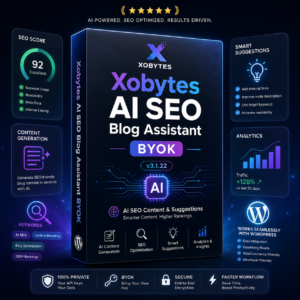
Turn your WordPress site, Google Search Console data, and SEO opportunities into smarter blog posts, pages, titles, meta…

$25.00
Plugin Update Server by XoBytes lets WordPress plugin sellers deliver private plugin updates directly to customer dashboards. Upload…

$19.99
Agentic Consultant for WordPress gives your website a smart AI product rep, customer service agent, and hands-free voice…
$19.99
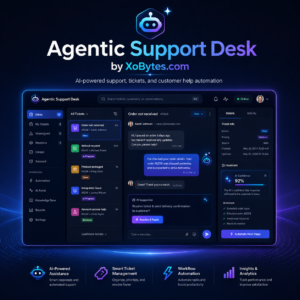
Agentic Support Desk by Xobytes is an AI-powered WordPress support desk built for software sellers, WooCommerce stores, agencies,…
Product 1 of 6
Feedback is invaluable for improving your plugin. Consider implementing these strategies to gather insights:
To keep your plugin relevant and functional, regular updates are crucial. Focus on the following:
By following these additional steps, you can elevate your WordPress plugin from a basic tool to a robust solution that meets user needs and stands out in the marketplace. Remember, the key to a successful plugin is not only its functionality but also the support and engagement you provide to your users.
Continue with How to Build Custom WordPress Plugins That Boost Your Website’s Functionality for additional XoBytes guidance.
Once your plugin is functional, it’s essential to optimize its performance. A well-optimized plugin can significantly enhance user experience and reduce server load. Here are some strategies to consider:
Making your plugin accessible to all users is not only a best practice but also a legal requirement in many jurisdictions. Here are some key considerations:
If you want your plugin to reach a broader audience, consider internationalization (i18n) and localization (l10n). Here’s how to implement it:
__() and esc_html__() for strings that need translation.Once your plugin is established, consider monetization strategies to generate revenue. Here are some effective options:
Creating a community can enhance user engagement and loyalty. Here are some strategies to foster a community:
Here are some common questions about WordPress plugin development:
Key steps include planning the plugin’s functionality, setting up a development environment, coding with best practices, testing for compatibility and security, and deploying via the WordPress plugin repository or custom distribution.
Follow WordPress coding standards, regularly update your code, test against the latest WordPress versions, and use security checks like nonces and sanitization. Consider professional development services like XoBytes for expert assurance.
Hire a professional when your plugin requires complex features, integration with third-party services, security hardening, or if you lack the technical expertise to ensure stability and security.
In conclusion, developing a WordPress plugin can significantly enhance your website’s functionality and user experience. By following this guide, you can navigate the development process effectively. Remember, if you need assistance, XoBytes is here to help you succeed!