Creating secure and scalable WordPress plugins is essential for enhancing your website's functionality and performance. With the right expert development services, you can ensure that your custom plugins not only meet your specific needs but also adhere to the highest security standards.…
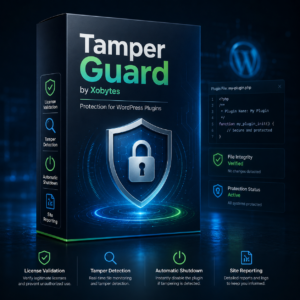
Creating secure and scalable WordPress plugins is essential for enhancing your website’s functionality and performance. With the right expert development services, you can ensure that your custom plugins not only meet your specific needs but also adhere to the highest security standards. One such solution is Tamper Guard by XoBytes, a robust plugin that protects your commercial WordPress plugins with license-based tamper detection, file integrity monitoring, and automatic shutdown protection. This powerful tool is designed to safeguard your plugins, ensuring they remain functional and secure.
Moreover, as businesses increasingly rely on custom WordPress solutions, it becomes vital to partner with experienced developers who understand the intricacies of plugin creation. This article will guide you through the process of creating secure and scalable WordPress plugins, highlighting best practices, essential tools, and the benefits of professional development services.
Why Focus on Secure and Scalable Plugins?
Security and scalability are two critical aspects of plugin development. First, a secure plugin protects your website from vulnerabilities and attacks. Second, scalability ensures that your plugin can handle increased traffic and functionality as your website grows. By prioritizing these elements, you can create plugins that not only serve your current needs but also adapt to future demands.
Key Best Practices for WordPress Plugin Development
To create effective WordPress plugins, consider the following best practices:
Plan the Plugin’s Functionality: Before you start coding, clearly define what your plugin will do. This includes identifying the target audience and the specific problems your plugin will solve.
Set Up a Development Environment: Use a local development environment to test your plugin. Tools like XAMPP or Local by Flywheel can help you set up a safe testing space.
Follow WordPress Coding Standards: Adhering to coding standards ensures your plugin is compatible with the WordPress ecosystem and helps avoid common pitfalls.
Regularly Update Your Code: Keep your plugin updated to maintain compatibility with the latest WordPress versions and security patches.
Test for Compatibility and Security: Thoroughly test your plugin with various themes and other plugins to ensure it works seamlessly.
Deploy via the WordPress Plugin Repository: Consider submitting your plugin to the official repository for greater visibility and trust.
Essential Tools for Plugin Development
Using the right tools can significantly enhance your plugin development process. Here are some essential tools to consider:
IDE and Code Editors: Tools like Visual Studio Code or PHPStorm can help streamline your coding experience with features like syntax highlighting and debugging.
Version Control: Implement Git for version control to track changes and collaborate with other developers efficiently.
Testing Frameworks: PHPUnit is a great tool for testing your code, ensuring it functions as intended before deployment.
Security Plugins: Use security plugins like Wordfence to scan for vulnerabilities in your development environment.
Integrating Custom Plugins with Existing Solutions
Integration is a key aspect of plugin development. Whether you’re integrating with WooCommerce for e-commerce functionality or with third-party APIs, ensure your plugin communicates effectively with other systems. This will enhance the user experience and expand the capabilities of your website.
For example, if you’re developing a custom plugin for a construction business, you might want to integrate it with existing project management tools or customer relationship management (CRM) systems. This can streamline operations and provide comprehensive solutions for users.
Common Pitfalls in Plugin Development
While developing plugins, be aware of these common pitfalls:
Ignoring Security: Failing to prioritize security can leave your plugin vulnerable to attacks.
Neglecting Compatibility Testing: Always test your plugin with various themes and plugins to avoid conflicts.
Overcomplicating the Plugin: Keep your plugin simple and user-friendly. Complex features can confuse users and lead to poor adoption.
Dedicated Product Section: Tamper Guard by XoBytes
As mentioned earlier, Tamper Guard by XoBytes is an essential tool for protecting your WordPress plugins. Here’s a closer look at its features:
Protect your commercial WordPress plugins with license-based tamper detection, file integrity monitoring, automatic shutdown protection, and site reporting.…
License-Based Tamper Detection: Ensure that only authorized users can access and modify your plugins.
File Integrity Monitoring: Automatically monitor your plugin files for unauthorized changes.
Automatic Shutdown Protection: If tampering is detected, the plugin can automatically shut down to protect your site.
Site Reporting: Receive detailed reports on any suspicious activity, allowing you to take proactive measures.
For just $25.00, you can secure your WordPress plugins with Tamper Guard. Learn more about Tamper Guard and how it can benefit your business.
Conclusion
Creating secure and scalable WordPress plugins is vital for enhancing your website’s functionality and ensuring user trust. By following best practices, utilizing essential tools, and considering professional development services like XoBytes, you can build plugins that not only meet your needs but also stand the test of time.
For expert assistance in developing secure and scalable WordPress plugins, contact XoBytes today and take your website to the next level!
When developing a plugin for WooCommerce, consider the following:
Security: Implement nonce verification for form submissions to prevent CSRF attacks.
Scalability: Use AJAX calls for dynamic updates without refreshing the page, ensuring a smooth user experience even during high traffic.
Integration: Ensure compatibility with popular payment gateways like PayPal and Stripe, allowing users to choose their preferred payment method.
Example 2: Membership Plugin
A membership plugin requires careful consideration of user data security:
Data Encryption: Store sensitive user data, such as passwords, using strong encryption algorithms like bcrypt.
Access Control: Implement role-based access control to restrict content based on user membership levels.
Scalability: Design the database structure to handle a growing number of users and memberships without performance degradation.
Implementation Steps for Secure Plugin Development
Here’s a step-by-step guide to help you implement secure practices in your plugin development:
Define Security Requirements: Identify potential security threats specific to your plugin’s functionality.
Use Secure Coding Practices: Write code that adheres to security best practices, such as using prepared statements for database queries to prevent SQL injection.
Conduct Regular Security Audits: Schedule periodic audits of your codebase to identify and rectify vulnerabilities.
Implement User Feedback Mechanisms: Allow users to report issues or vulnerabilities they encounter, fostering a community-driven approach to security.
Stay Informed: Keep up with the latest security trends and vulnerabilities in the WordPress ecosystem to ensure your plugin remains secure.
Decision Criteria for Choosing Development Services
When considering hiring professional development services for your WordPress plugin, evaluate the following criteria:
Experience: Look for developers with a proven track record in WordPress plugin development, particularly in your niche.
Portfolio: Review their previous work to assess the quality and functionality of their plugins.
Support and Maintenance: Ensure that the development service offers ongoing support and updates for their plugins.
Security Focus: Inquire about their approach to security during the development process and how they handle vulnerabilities.
Client Testimonials: Seek feedback from past clients to gauge satisfaction and reliability.
Frequently Asked Questions
Below are some common questions regarding WordPress plugin development:
What are the key steps in developing a WordPress plugin?
Key steps include planning the plugin’s functionality, setting up a development environment, coding with best practices, testing for compatibility and security, and deploying via the WordPress plugin repository or custom distribution.
How can I ensure my custom plugin is secure and compatible?
Follow WordPress coding standards, regularly update your code, test against the latest WordPress versions, and use security checks like nonces and sanitization. Consider professional development services like XoBytes for expert assurance.
When should I consider hiring a professional for plugin development?
Hire a professional when your plugin requires complex features, integration with third-party services, security hardening, or if you lack the technical expertise to ensure stability and security.