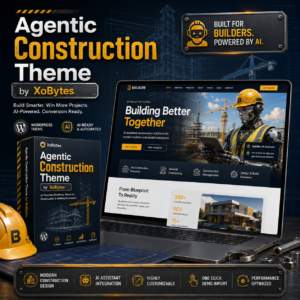
Agentic Construction Theme | More than just a theme | Built for all trades
Upfront price$49.99
Why You Need This Theme And Plugin! Click here for the Demo Agentic Construction Theme by XoBytes is…
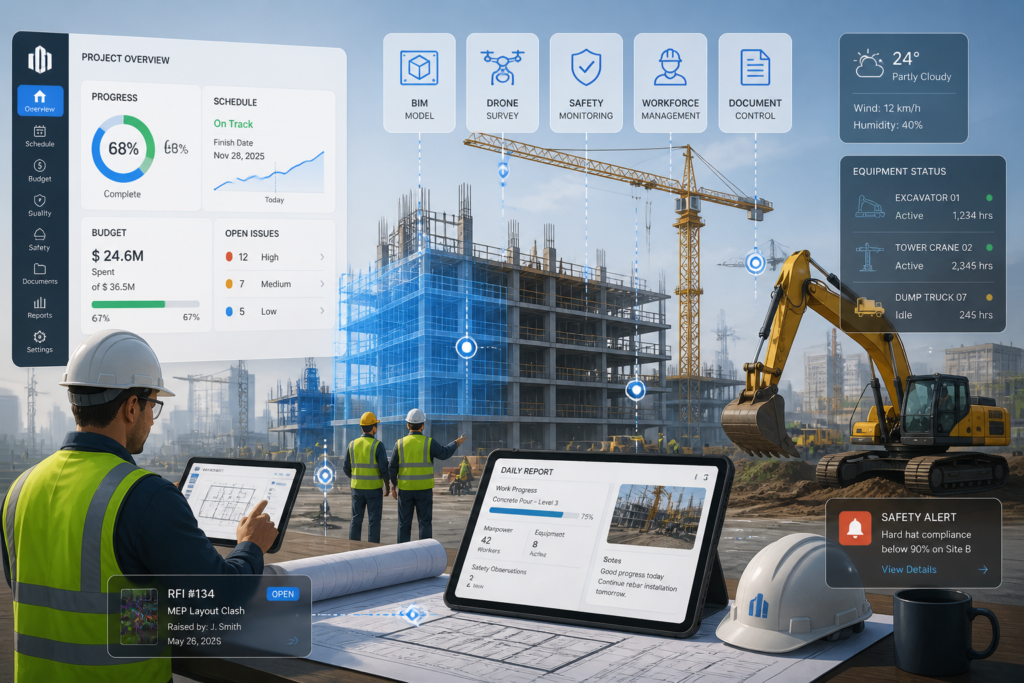
In the rapidly evolving construction industry, enhancing operations with digital tools is no longer optional; it's essential. As a contractor, leveraging technologies can streamline processes, reduce costs, and increase efficiency. One of the standout solutions available today is the Agentic Construction Theme,…
In the rapidly evolving construction industry, enhancing operations with digital tools is no longer optional; it’s essential. As a contractor, leveraging technologies can streamline processes, reduce costs, and increase efficiency. One of the standout solutions available today is the Agentic Construction Theme, designed specifically for contractors. This theme not only simplifies website management but also integrates various digital tools tailored for the construction sector.
Moreover, in 2026, the emphasis on digital transformation continues to grow. Contractors who adopt these technologies will not only stay competitive but also thrive. Digital solutions, such as project management software and automation tools, play a pivotal role in this transformation. Therefore, understanding how to utilize these tools effectively is crucial for success.
Digital tools significantly impact construction operations by streamlining workflows, improving communication, and enhancing project management. For instance, automation tools can reduce manual tasks, allowing contractors to focus on more critical aspects of their business. In addition, project management software provides a centralized platform for tracking progress, managing resources, and ensuring deadlines are met.
To make this easier, here are some key digital solutions that can enhance your construction operations:
The Agentic Construction Theme offers a comprehensive solution for contractors looking to enhance their digital presence. Here are some key benefits:
The Agentic Construction Theme is suitable for all trades, from small contractors to large construction firms. Its versatility makes it an excellent choice for anyone in the construction industry looking to enhance their online presence and operational efficiency.
In conclusion, enhancing construction operations with digital tools is vital for success in 2026. By leveraging solutions like the Agentic Construction Theme, contractors can streamline their workflows, improve efficiency, and drive growth. To get started, visit the Agentic Construction Theme page and explore how it can transform your business.
Transitioning to digital tools can be daunting for many contractors. However, a structured approach can simplify the implementation process. Here’s a step-by-step guide to help you integrate digital tools into your construction operations:
To illustrate the effectiveness of digital tools in construction, consider the case of a mid-sized contracting firm that adopted project management software and automation tools.
Prior to implementation, the firm struggled with project delays and miscommunication among team members. After integrating digital solutions, they experienced the following improvements:
This case highlights the tangible benefits of embracing digital tools, showcasing how they can transform construction operations.
When evaluating different digital tools for your construction business, consider the following key features:
Why You Need This Theme And Plugin! Click here for the Demo Agentic Construction Theme by XoBytes is…
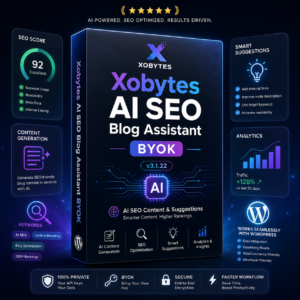
Turn your WordPress site, Google Search Console data, and SEO opportunities into smarter blog posts, pages, titles, meta…
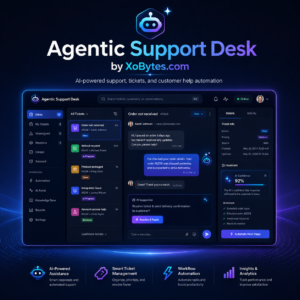
Agentic Support Desk by Xobytes is an AI-powered WordPress support desk built for software sellers, WooCommerce stores, agencies,…
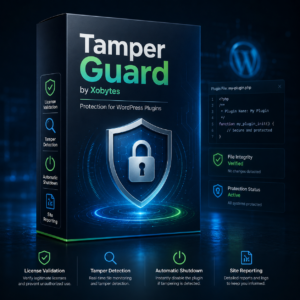
Protect your commercial WordPress plugins with license-based tamper detection, file integrity monitoring, automatic shutdown protection, and site reporting.…

Xobytes Social Autopilot is a WordPress social media autoposter that helps schedule and promote posts, pages, WooCommerce products,…

Plugin Update Server by XoBytes lets WordPress plugin sellers deliver private plugin updates directly to customer dashboards. Upload…
Product 1 of 6
For a practical companion to this section, explore Streamline Your Construction Operations with the Agentic Construction Theme.
As technology continues to evolve, several trends are emerging in the construction industry that contractors should keep an eye on:
By staying informed about these trends, contractors can position themselves for future success in an increasingly digital landscape.
To better understand the impact of digital tools on construction operations, let’s look at a few practical examples:
A construction firm implemented a project management tool that included real-time tracking features. This allowed project managers to monitor the progress of multiple sites simultaneously. As a result, they could quickly address any delays or issues, leading to a 20% reduction in project completion times.
For additional authoritative context, review Get your AI blog generator here!.
Another contractor introduced a mobile communication app that connected field workers with office staff. This enabled instant updates on project statuses and allowed for immediate feedback on issues. The firm reported a 30% decrease in miscommunication-related delays.
By utilizing automation tools for scheduling, a contractor was able to optimize labor allocation based on real-time data. This not only improved workforce management but also led to a 15% reduction in labor costs.
Continue with Enhance Construction Business Efficiency with Automation Tools for additional guidance.
When selecting digital tools, it’s essential to compare their features and benefits. Here’s a side-by-side analysis of three popular project management software options:
| Feature | Tool A | Tool B | Tool C |
|---|---|---|---|
| User Interface | Intuitive and user-friendly | Moderate learning curve | Complex interface |
| Integration | Seamless with most tools | Limited integrations | Good integration options |
| Customer Support | 24/7 support available | Business hours only | Responsive support |
| Pricing | Competitive pricing | Higher cost | Affordable options |
This comparison can help contractors make informed decisions based on their specific requirements and budget.
To ensure a smooth transition to digital tools, follow these detailed implementation steps:
When deciding on which digital tools to adopt, consider the following criteria:
Here are some common questions about digital solutions in the construction industry: