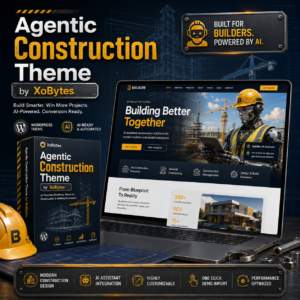
Agentic Construction Theme | More than just a theme | Built for all trades
Upfront price$49.99
Why You Need This Theme And Plugin! Click here for the Demo Agentic Construction Theme by XoBytes is…

In the ever-evolving construction industry, maximizing efficiency is paramount. One effective way to achieve this is through custom WordPress software solutions. These tailored tools not only enhance operational efficiency but also improve project management and client engagement. A standout option for contractors…
In the ever-evolving construction industry, maximizing efficiency is paramount. One effective way to achieve this is through custom WordPress software solutions. These tailored tools not only enhance operational efficiency but also improve project management and client engagement. A standout option for contractors is the Agentic Construction Theme, designed specifically for construction professionals.
By leveraging custom software solutions, construction businesses can streamline their processes, reduce costs, and increase productivity. The Agentic Construction Theme provides a comprehensive platform that integrates various functionalities to support contractors in their daily operations.
Custom software solutions are essential for construction businesses to remain competitive. They address unique challenges that off-the-shelf software often fails to meet. For instance, a tailored solution can help manage complex projects, track progress, and optimize resource allocation. Consequently, this leads to improved project outcomes and client satisfaction.
Moreover, custom software can adapt to the specific needs of a construction business. Whether it’s enhancing communication among team members or automating repetitive tasks, the right tools can transform how a company operates.
The Agentic Construction Theme offers various features designed to maximize construction efficiency:
Implementing custom WordPress solutions like the Agentic Construction Theme can lead to numerous benefits:
The Agentic Construction Theme is ideal for:
However, it may not be suitable for small businesses that require a more basic setup or those not operating in the construction sector.
Getting started with the Agentic Construction Theme is simple. First, visit the product page to explore its features and benefits. With an upfront charge of $49.99, you can access a powerful tool designed to enhance your construction business.
In addition, consider linking to our other resources. For instance, you can read about how to discover custom software solutions for construction to further enhance your operational efficiency.
Stay updated with the latest trends and solutions in the construction industry by following us on LinkedIn and X. Join our community to learn how custom software solutions can revolutionize your business.
For a practical companion to this section, explore Maximize Construction Efficiency with Digital Solutions.
To illustrate the impact of custom software solutions, let’s explore a few practical examples from the construction industry:
When considering software solutions, it’s crucial to understand the differences between custom and off-the-shelf options. Here’s a comparison to help you decide:
| Feature | Custom Software | Off-the-Shelf Software |
|---|---|---|
| Tailored Functionality | Designed specifically for your business needs | Generalized features that may not fit all requirements |
| Integration | Seamlessly integrates with existing systems | May require workarounds or additional plugins |
| Scalability | Can evolve as your business grows | Limited scalability options |
| Cost | Higher initial investment, but long-term savings | Lower upfront cost, but potential for higher long-term expenses |
Implementing a custom software solution may seem daunting, but following these steps can streamline the process:
Why You Need This Theme And Plugin! Click here for the Demo Agentic Construction Theme by XoBytes is…
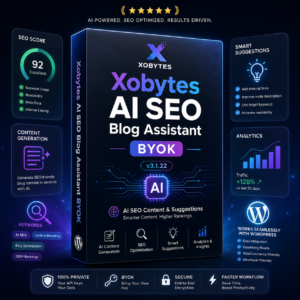
Turn your WordPress site, Google Search Console data, and SEO opportunities into smarter blog posts, pages, titles, meta…
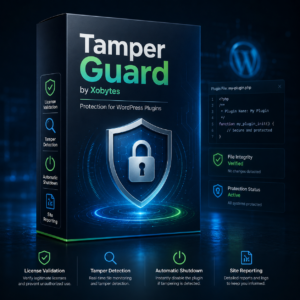
Protect your commercial WordPress plugins with license-based tamper detection, file integrity monitoring, automatic shutdown protection, and site reporting.…

Agentic Consultant for WordPress gives your website a smart AI product rep, customer service agent, and hands-free voice…
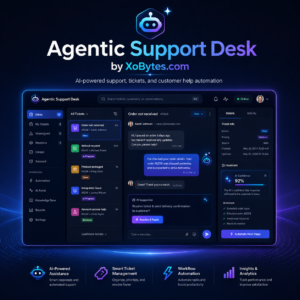
Agentic Support Desk by Xobytes is an AI-powered WordPress support desk built for software sellers, WooCommerce stores, agencies,…

Plugin Update Server by XoBytes lets WordPress plugin sellers deliver private plugin updates directly to customer dashboards. Upload…
Product 1 of 6
When selecting a custom software solution, consider the following criteria:
For additional authoritative context, review Get your AI blog generator here!.
When embarking on the journey to develop custom software solutions, several practical considerations can help ensure a successful outcome:
Many construction companies have successfully implemented custom software solutions. Here are a couple of notable examples:
Continue with Maximize Construction Efficiency with the Agentic Construction Theme for additional guidance.
A mid-sized construction company faced challenges with project delays and miscommunication among teams. By developing a custom project management tool, they integrated scheduling, resource allocation, and team communication into one platform. This resulted in a 25% increase in on-time project delivery and significantly improved team collaboration.
A large construction firm created a custom client portal that allowed clients to track project progress in real-time. This portal included features for submitting requests, viewing project timelines, and accessing invoices. The implementation led to a 40% increase in positive client feedback and repeat business.
When evaluating potential custom software solutions, consider the following key features that can enhance your construction operations:
Choosing the right vendor for your custom software development is crucial. Here are some criteria to evaluate potential partners:
Here are some common questions about custom software solutions for construction:
Custom software solutions are tailored tools and applications designed specifically to meet the unique needs of construction businesses, improving project management, lead generation, and operational efficiency.
WordPress themes like Agentic Construction provide a comprehensive platform for building professional, lead-generating websites with integrated project management, client engagement, and automation features tailored for contractors.
Custom software offers tailored functionality, better integration with existing systems, scalability, and a competitive edge by addressing specific operational challenges unique to your business.
In conclusion, maximizing construction efficiency with custom WordPress software solutions can significantly enhance your business operations. Explore the Agentic Construction Theme today and transform your construction business!