In today’s fast-paced construction industry, efficiency is crucial. One of the best ways to achieve this is through business automation software. The Agentic Construction Theme by XoBytes is designed specifically for trade businesses, providing a comprehensive solution to streamline operations and enhance productivity.
With the Agentic Construction Theme, you can automate various aspects of your business, from project management to lead generation. This theme not only simplifies your workflow but also helps you focus on what matters most: growing your business.
Why Business Automation Matters
Business automation is essential for modern trade businesses. It allows companies to eliminate repetitive tasks, reduce human errors, and improve overall efficiency. For example, automating project management can save time and resources, enabling teams to focus on higher-value activities.
Key Benefits of Business Automation
- Increased Efficiency: Automation speeds up processes, allowing your team to complete tasks faster.
- Cost Savings: By reducing manual work, automation can lower operational costs.
- Improved Accuracy: Automation minimizes human errors, leading to more reliable outcomes.
- Enhanced Client Communication: Automated tools can improve interactions with clients through timely updates and responses.
How the Agentic Construction Theme Can Help
The Agentic Construction Theme is more than just a theme; it’s a powerful tool for automating your construction business. Its features include:
- Lead Capture Forms: Easily collect leads from your website to grow your customer base.
- Project Galleries: Showcase your work and attract potential clients.
- Service Showcases: Highlight your services effectively to convert visitors into clients.
To see the theme in action, check out the Agentic Construction Theme here.
Who Can Benefit from Business Automation?
While many businesses can benefit from automation, it is particularly valuable for:
- Small to Medium Trade Businesses: These businesses often have limited resources and can greatly benefit from streamlined operations.
- Construction Companies: With numerous projects and clients, automation helps manage workloads efficiently.
- Contractors: Automation tools allow contractors to focus on project delivery rather than administrative tasks.
Challenges and Considerations
While the benefits are clear, businesses should also consider potential challenges:
- Integration: Ensure that the automation tools you choose can integrate with your existing systems.
- Cost: Analyze the cost versus the benefits of implementing automation.
- User Training: Staff may need training to effectively use new tools.
Conclusion
In conclusion, streamlining your trade business operations using business automation software can lead to significant improvements in efficiency and productivity. The Agentic Construction Theme is an excellent choice for those looking to enhance their business operations. Discover the benefits of the Agentic Construction Theme today and take your trade business to the next level.
Practical Examples of Business Automation in the Trade Industry
Understanding how business automation can be applied in real-world scenarios is crucial for trade businesses. Here are some practical examples:
For a practical companion to this section, explore Enhance Construction Business Efficiency with Automation Tools.
- Automated Scheduling: Use software to automatically schedule appointments and project timelines. This reduces the back-and-forth communication often required to find suitable times, allowing teams to focus on execution.
- Invoice Generation: Automate the invoicing process to ensure timely billing. This can include sending reminders for unpaid invoices, which helps maintain cash flow.
- Client Follow-ups: Implement automated email sequences to follow up with leads who have shown interest in your services. This keeps your business top-of-mind without requiring manual effort.
Comparison of Business Automation Tools
When considering business automation software, it’s important to compare features, pricing, and usability. Here’s a breakdown of key factors to consider:
Feature Set
- Project Management: Look for tools that offer comprehensive project tracking, task assignments, and deadline reminders.
- Reporting and Analytics: Choose software that provides insights into your operations, helping you make data-driven decisions.
- Integration Capabilities: Ensure the tool can seamlessly integrate with other software you are using, such as accounting or customer relationship management (CRM) systems.
Pricing
- Subscription Models: Evaluate whether the software operates on a monthly or annual subscription basis and consider your budget accordingly.
- Free Trials: Take advantage of free trials to test the software before committing to a purchase.
Implementation Steps for Business Automation
Implementing business automation software can be a smooth process if approached methodically. Here are the steps to follow:
- Identify Needs: Assess your current operations to determine which areas could benefit most from automation.
- Research Options: Investigate various software solutions, focusing on features that align with your identified needs.
- Engage Stakeholders: Involve team members in the selection process to ensure the tool meets everyone’s requirements and to foster buy-in.
- Train Your Team: Provide comprehensive training to ensure that all users are comfortable with the new software.
- Monitor and Adjust: After implementation, monitor the software’s performance and gather feedback to make necessary adjustments.
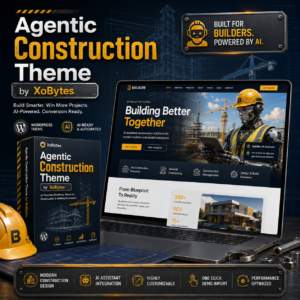
$49.99
Why You Need This Theme And Plugin! Click here for the Demo Agentic Construction Theme by XoBytes is…
Add to cart
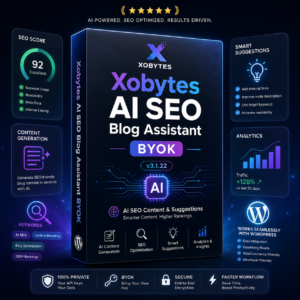
$19.99
Turn your WordPress site, Google Search Console data, and SEO opportunities into smarter blog posts, pages, titles, meta…
Add to cart
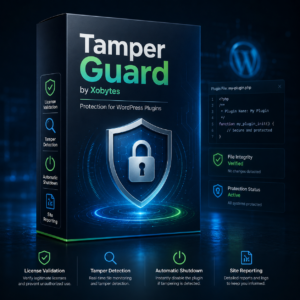
$25.00
Protect your commercial WordPress plugins with license-based tamper detection, file integrity monitoring, automatic shutdown protection, and site reporting.…
Add to cart
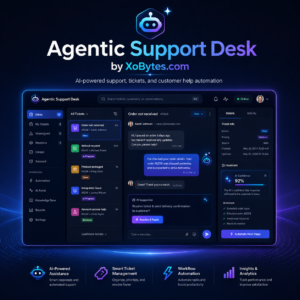
$19.99
Agentic Support Desk by Xobytes is an AI-powered WordPress support desk built for software sellers, WooCommerce stores, agencies,…
Add to cart

$19.99
Xobytes Social Autopilot is a WordPress social media autoposter that helps schedule and promote posts, pages, WooCommerce products,…
Add to cart

$25.00
Plugin Update Server by XoBytes lets WordPress plugin sellers deliver private plugin updates directly to customer dashboards. Upload…
Add to cart
Product 1 of 6
Decision Criteria for Choosing Automation Tools
When selecting business automation tools, consider the following criteria to ensure you choose the right solution:
- User Experience: The software should have an intuitive interface that is easy for all team members to navigate.
- Scalability: Choose a solution that can grow with your business, accommodating increased workloads or additional features as needed.
- Customer Support: Reliable customer support is essential for troubleshooting and maximizing the software’s potential.
- Community and Resources: A strong user community and available resources, such as tutorials and forums, can enhance your experience and provide additional learning opportunities.
Advanced Features to Look for in Business Automation Software
When choosing business automation software for your trade business, it’s essential to consider advanced features that can enhance your operational efficiency further. Here are some key features to look for:
For additional authoritative context, review Get your AI blog generator here!.
- Mobile Accessibility: Ensure the software is accessible on mobile devices, allowing your team to manage tasks and communicate on the go.
- Customizable Dashboards: Look for software that allows you to create personalized dashboards to monitor KPIs and project statuses at a glance.
- Collaboration Tools: Features that enable team collaboration, such as shared calendars and messaging systems, can improve communication and teamwork.
- Document Management: A robust document management system helps keep all project-related documents organized and easily accessible.
- Time Tracking: Built-in time tracking tools can help monitor employee hours, project timelines, and overall productivity.
Real-World Case Studies of Successful Automation
Understanding how other businesses have successfully implemented automation can provide valuable insights. Here are two case studies:
Continue with Comprehensive Software Development Services for Construction and Trade Businesses for additional XoBytes guidance.
Case Study 1: Efficient Project Management
A mid-sized construction firm adopted business automation software to manage its project timelines and resources. By automating scheduling and task assignments, the firm reduced project delays by 30% and improved team accountability. The software’s reporting features also enabled better resource allocation, leading to a 20% reduction in operational costs.
Case Study 2: Enhanced Client Engagement
A plumbing service company implemented automation tools for lead management and client follow-ups. By using automated email sequences, they increased their lead conversion rate by 40% within six months. The company also benefited from timely invoice generation, improving cash flow and reducing overdue payments.
Best Practices for Implementing Business Automation
To ensure a successful implementation of business automation software, consider the following best practices:
- Start Small: Begin with automating one or two processes before expanding to other areas. This allows your team to adapt gradually.
- Gather Feedback: After initial implementation, collect feedback from users to identify any issues or areas for improvement.
- Regular Updates: Keep your software updated to benefit from the latest features and security enhancements.
- Encourage Adoption: Promote the benefits of automation among your team to encourage widespread adoption and utilization of the new tools.
Evaluating the ROI of Business Automation
Measuring the return on investment (ROI) of business automation is crucial for understanding its impact on your trade business. Here are some metrics to consider:
- Time Savings: Calculate the amount of time saved on automated tasks and how that translates into increased productivity.
- Cost Reduction: Analyze reductions in operational costs due to decreased labor hours and improved efficiency.
- Revenue Growth: Track any increases in revenue attributed to improved lead generation and client engagement through automation.
- Client Satisfaction: Monitor client feedback and satisfaction levels to assess the impact of improved service delivery.
Frequently Asked Questions
Here are some common questions about business automation:
- What are the main benefits of business automation for construction companies?
Business automation helps construction companies save time, reduce errors, improve project management, enhance lead generation, and increase overall operational efficiency.
- How can the Agentic Construction Theme support my construction business automation?
The Agentic Construction Theme provides built-in features like lead capture forms, project galleries, and service showcases, making it easier to automate website interactions and streamline client engagement.
- Is business automation software suitable for small trade businesses?
Yes, many automation tools, including themes like Agentic Construction, are designed to scale with your business, offering features that benefit small to large trade and construction companies.
- What should I consider when choosing construction business automation tools?
Focus on integration capabilities, ease of use, scalability, customer support, and how well the tool aligns with your specific workflows and project management needs.