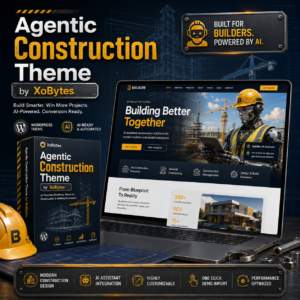
Agentic Construction Theme | More than just a theme | Built for all trades
$49.99
Why You Need This Theme And Plugin! Click here for the Demo Agentic Construction Theme by XoBytes is…
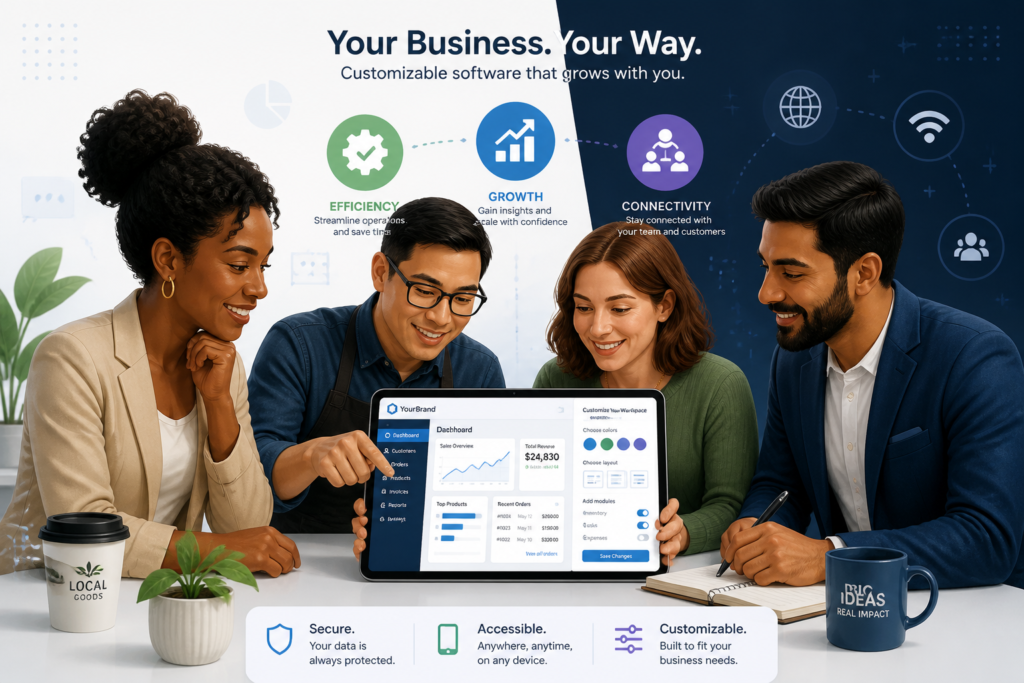
In today's competitive landscape, small businesses must leverage every advantage they can find to succeed. One of the most effective ways to do this is through tailored software solutions. These custom software applications are designed specifically to meet the unique needs of…
In today’s competitive landscape, small businesses must leverage every advantage they can find to succeed. One of the most effective ways to do this is through tailored software solutions. These custom software applications are designed specifically to meet the unique needs of small businesses, allowing them to operate more efficiently and effectively. For example, the Agentic Construction Theme by XoBytes is a comprehensive software solution that caters to various trades, helping businesses streamline their operations while enhancing customer engagement.
By investing in tailored software solutions, small businesses can unlock a range of benefits that directly contribute to their success. In this article, we will explore the top benefits of custom software solutions for small businesses, highlighting how they can improve efficiency, scalability, and overall business performance.
One of the primary advantages of tailored software solutions is increased efficiency. Custom software is designed specifically for a business’s operational processes, eliminating unnecessary steps and automating repetitive tasks. As a result, employees can focus on more critical activities, leading to higher productivity levels.
Custom software solutions can streamline workflows by integrating various business functions into one cohesive system. For instance, the Agentic Construction Theme integrates project management, customer relationship management (CRM), and accounting, enabling contractors to manage their entire business from a single platform. This not only saves time but also reduces the risk of errors associated with data entry across multiple systems. Moreover, businesses can adapt their workflows to fit their specific needs, rather than conforming to the limitations of off-the-shelf software.
As businesses grow, their software needs evolve. Tailored software solutions are built with scalability in mind, allowing companies to add new features and functionalities as needed. This flexibility is crucial for small businesses looking to expand their operations without the constraints of outdated software.
With custom software, businesses can easily integrate new tools or modify existing ones to accommodate growth. For example, if a construction company starts offering new services, they can update their custom software to include additional project management features or client tracking capabilities. This adaptability ensures that businesses can stay competitive in a rapidly changing market.
Tailored software solutions can significantly enhance the customer experience by providing personalized interactions and services. Custom software allows businesses to track customer preferences, purchase history, and feedback, enabling them to tailor their offerings to meet individual needs.
By utilizing a customized CRM system, businesses can respond to customer inquiries more quickly and efficiently. For example, the Agentic Construction Theme includes features that allow contractors to manage client communications seamlessly, ensuring that no inquiries fall through the cracks. This level of responsiveness builds trust and fosters long-term customer relationships.
In today’s competitive market, having a unique selling proposition (USP) is essential for small businesses. Custom software solutions can provide that competitive edge by enabling businesses to offer services or features that their competitors do not.
For instance, a construction company using the Agentic Construction Theme can showcase their projects through a unique portfolio feature, allowing potential clients to see their work in a visually appealing manner. This not only enhances the company’s brand image but also helps differentiate it from competitors who may be using generic software solutions.
While the initial investment in custom software development may seem significant, the long-term cost savings can be substantial. Tailored software solutions can reduce operational costs by improving efficiency and automating processes, leading to lower labor costs and fewer errors.
Businesses that invest in custom software often see a return on their investment through increased productivity and reduced operational costs. Additionally, because custom software is tailored to a business’s specific needs, it can minimize the need for ongoing support and maintenance costs associated with off-the-shelf solutions.
Effective data management is crucial for small businesses. Tailored software solutions can help businesses collect, store, and analyze data more effectively, leading to better decision-making and strategic planning.
Custom software can provide businesses with powerful analytics tools that enable them to track key performance indicators (KPIs) and gain insights into their operations. For example, the Agentic Construction Theme includes analytics features that allow contractors to monitor project performance, client satisfaction, and financial metrics, helping them make informed decisions for future growth.
Another significant benefit of tailored software solutions is the ability to integrate seamlessly with existing systems. Custom software can be designed to work alongside current tools, ensuring a smooth transition and minimal disruption to business operations.
For additional authoritative context, review Get your AI blog generator here!.
For instance, businesses can integrate their custom software with popular accounting systems, CRM platforms, and project management tools. This compatibility enhances overall efficiency and ensures that all data is synchronized across platforms, reducing the risk of errors and improving collaboration among teams.
$49.99
Why You Need This Theme And Plugin! Click here for the Demo Agentic Construction Theme by XoBytes is…

$19.99
Agentic Consultant for WordPress gives your website a smart AI product rep, customer service agent, and hands-free voice…

$19.99
Xobytes Social Autopilot is a WordPress social media autoposter that helps schedule and promote posts, pages, WooCommerce products,…
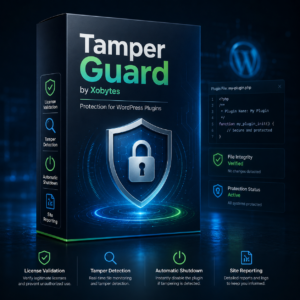
$25.00
Protect your commercial WordPress plugins with license-based tamper detection, file integrity monitoring, automatic shutdown protection, and site reporting.…
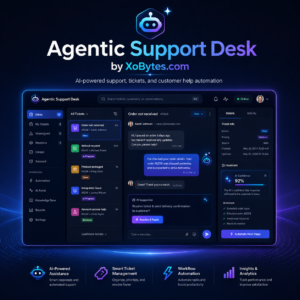
$19.99
Agentic Support Desk by Xobytes is an AI-powered WordPress support desk built for software sellers, WooCommerce stores, agencies,…

$25.00
AgentShield is a WordPress AI Agent Firewall that helps detect, monitor, block, and temporarily ban AI crawlers, AI…
Product 1 of 6
In conclusion, tailored software solutions offer a multitude of benefits for small businesses looking to enhance their operations and achieve success. From improved efficiency and scalability to better customer experiences and competitive advantages, the advantages of custom software are clear. If you’re considering investing in a tailored software solution, the Agentic Construction Theme by XoBytes is an excellent option that provides a comprehensive suite of tools designed specifically for contractors and trade businesses.
Explore the Agentic Construction Theme today and see how it can transform your business operations and drive success!
Continue with What Is Custom Software Development and When Does Your Business Need It? for additional XoBytes guidance.
Implementing tailored software solutions requires careful planning and execution. Here are some essential steps to guide small businesses through this process:
When deciding between tailored software solutions and off-the-shelf products, consider the following comparisons:
Here are a couple of examples showcasing the successful implementation of tailored software solutions in small businesses:
When evaluating tailored software solutions, consider the following criteria to ensure you make an informed decision: