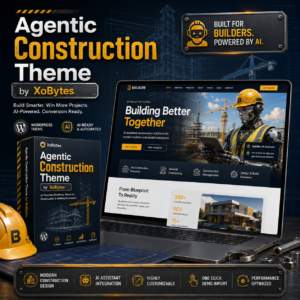
In the fast-paced world of construction, efficiency is key to success. Therefore, utilizing the right tools can significantly enhance your workflow and productivity. One standout solution is the Agentic Construction Theme by XoBytes, designed specifically for construction professionals. This theme not only streamlines your operations but also helps manage projects and leads effectively.
As we move into 2026, the construction industry continues to evolve, highlighting the need for innovative tools that improve business efficiency. In this article, we will explore the top business efficiency tools for construction and trade professionals, focusing on how these tools can help you optimize your operations and boost productivity.
Why Business Efficiency Tools Matter
Construction and trade professionals face numerous challenges, from project management to client communication. Because of this, having the right tools is essential to navigate these complexities. Business efficiency tools can help you:
- Streamline Operations: Automate repetitive tasks and reduce manual work.
- Improve Project Management: Keep track of timelines, budgets, and resources effectively.
- Enhance Communication: Foster better collaboration among team members and stakeholders.
- Boost Lead Generation: Capture and manage leads more efficiently.
Essential Business Efficiency Tools for 2026
To make this easier, here’s a breakdown of some of the top tools that construction and trade professionals can leverage in 2026:
1. Agentic Construction Theme
The Agentic Construction Theme is more than just a WordPress theme; it’s a comprehensive solution for managing your construction business. Here’s why you need it:
Stay connected through Facebook for practical updates related to this work.
- Versatile Design: Suitable for all trades, allowing for customization based on specific business needs.
- Integrated Tools: Includes features for project management, lead capture, and client engagement.
- Responsive Support: Backed by XoBytes, ensuring you have the help you need to succeed.
2. Construction Management Software
Tools like Procore and Buildertrend offer comprehensive project management solutions that streamline workflows and enhance collaboration. They provide functionalities such as:
- Real-time project tracking and reporting.
- Document management and sharing.
- Budgeting and financial management tools.
3. Automation Tools
Automation tools like Zapier can connect various applications and automate workflows. For example, you can automate lead generation by linking your contact forms directly to your CRM.
4. Communication Platforms
Tools such as Slack or Microsoft Teams facilitate real-time communication among team members. This improves collaboration and ensures everyone is on the same page.
5. Time Tracking Software
Time tracking software like TSheets or Clockify helps manage employee hours and project time efficiently. This ensures accurate billing and payroll management.
How to Choose the Right Tools
When selecting business efficiency tools, consider the following:
- Assess Your Needs: Identify specific pain points in your operations.
- Evaluate Features: Look for tools that offer features tailored to construction and trade professionals.
- Consider Integration: Ensure the tools can integrate with your existing systems.
Conclusion
In conclusion, leveraging the right business efficiency tools is crucial for construction and trade professionals looking to enhance productivity in 2026. The Agentic Construction Theme stands out as a versatile solution that can significantly streamline your operations. By investing in these tools, you can improve project management, enhance communication, and ultimately drive your business towards success.
Practical Examples of Business Efficiency Tools in Action
Understanding how to implement business efficiency tools is crucial. Here are a few scenarios illustrating their practical application:
For ongoing news and discussion, visit LinkedIn.
For a practical companion to this section, explore Top Construction Project Management Tools to Boost Efficiency in 2026.
Case Study: Streamlining Project Management
A mid-sized construction firm adopted Procore for project management. Before the implementation, they struggled with tracking project timelines and budgets. After integrating Procore, they experienced:
- Improved Visibility: Real-time updates on project status allowed for quicker decision-making.
- Budget Control: Automated alerts for budget overruns helped the team stay within financial limits.
- Enhanced Collaboration: Team members could communicate directly within the platform, reducing email clutter.
Case Study: Boosting Lead Generation
A trade professional utilized Zapier to connect their website’s contact form to their CRM. This integration enabled:
- Instant Lead Capture: Leads were automatically entered into the CRM, reducing manual data entry.
- Follow-Up Automation: Automated emails were sent to new leads, improving engagement rates.
- Data Accuracy: Minimizing human error in data entry led to more reliable lead information.
Comparing Popular Business Efficiency Tools
When choosing the right tools for your business, comparing features and functionalities can help you make an informed decision. Here’s a quick comparison of some popular options:
| Tool |
Key Features |
Best For |
| Procore |
Project management, budgeting, real-time collaboration |
Large construction projects |
| Buildertrend |
Scheduling, customer management, financial tools |
Residential construction |
| Zapier |
Workflow automation, app integration |
Businesses needing automation across various apps |
| Slack |
Team communication, file sharing, integrations |
Teams looking for real-time communication |
Implementation Steps for Business Efficiency Tools
Successfully implementing business efficiency tools requires careful planning. Follow these steps to ensure a smooth transition:
- Identify Objectives: Determine what you want to achieve with the tools.
- Research Options: Explore different tools and their features to find the best fit.
- Trial Period: Utilize free trials or demos to test functionalities before committing.
- Training: Provide training for your team to ensure they are comfortable using the new tools.
- Monitor Performance: Regularly assess the tools’ impact on your operations and make adjustments as needed.

Why You Need This Theme And Plugin! Click here for the Demo Agentic Construction Theme by XoBytes is…

Add to cart

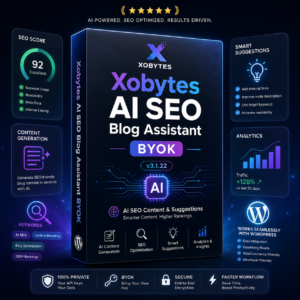
Turn your WordPress site, Google Search Console data, and SEO opportunities into smarter blog posts, pages, titles, meta…
Add to cart

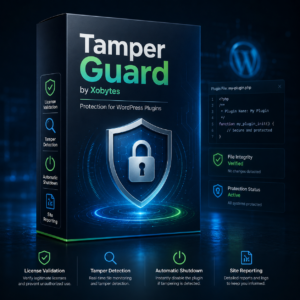
Protect your commercial WordPress plugins with license-based tamper detection, file integrity monitoring, automatic shutdown protection, and site reporting.…
Add to cart

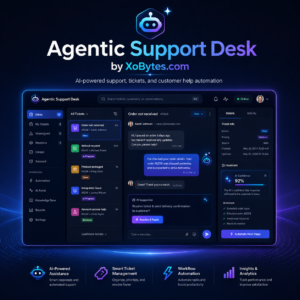
Agentic Support Desk by Xobytes is an AI-powered WordPress support desk built for software sellers, WooCommerce stores, agencies,…

Add to cart

Xobytes Social Autopilot is a WordPress social media autoposter that helps schedule and promote posts, pages, WooCommerce products,…
Add to cart

Plugin Update Server by XoBytes lets WordPress plugin sellers deliver private plugin updates directly to customer dashboards. Upload…
Add to cart
Product 1 of 6
Decision Criteria for Selecting Tools
When evaluating which business efficiency tools to adopt, consider the following criteria:
For additional authoritative context, review Get your AI blog generator here!.
- Usability: The tool should be user-friendly and require minimal training.
- Scalability: Ensure the tool can grow with your business needs.
- Support: Look for tools that offer robust customer support and resources.
- Cost: Evaluate the pricing model to ensure it fits your budget without compromising essential features.
Practical Tips for Maximizing Efficiency with Business Tools
To truly harness the power of business efficiency tools, consider implementing the following practical tips:
You can also keep up with future resources through x.com.
Continue with The Ultimate Guide to Business Automation for Construction and Trade Professionals for additional guidance.
- Regularly Update Your Tools: Ensure that your software and tools are always up to date. This not only improves security but also provides access to the latest features that can enhance efficiency.
- Encourage Team Feedback: Actively seek input from your team regarding the tools they use. Their insights can help identify areas for improvement and ensure that the tools are meeting their needs.
- Set Clear Goals: Define specific objectives for what you want to achieve with each tool. This can help in tracking progress and ensuring that the tools are being used effectively.
Real-World Examples of Successful Tool Integration
Here are additional examples showcasing how different companies have successfully integrated business efficiency tools into their operations:
Case Study: Enhanced Communication with Slack
A regional contractor implemented Slack to improve communication between field workers and office staff. The results included:
- Faster Decision-Making: Instant messaging allowed for quicker responses to on-site queries, reducing delays.
- Centralized Information: All project-related discussions were stored in one place, making it easy to reference past conversations.
- Integration with Other Tools: Slack’s integration with project management tools allowed team members to receive updates directly within the app, enhancing workflow.
Case Study: Cost Savings with Time Tracking Software
A small construction firm adopted TSheets to track employee hours. This transition led to:
- Accurate Billing: Time tracking ensured that clients were billed accurately for hours worked, reducing disputes.
- Improved Payroll Management: Automated timesheets simplified payroll processing, saving administrative time.
- Employee Accountability: Employees became more conscious of their time management, leading to increased productivity.
Key Features to Look for in Business Efficiency Tools
When evaluating business efficiency tools, consider these essential features:
- Mobile Accessibility: Ensure that the tools can be accessed on mobile devices, allowing your team to work from anywhere.
- Customization Options: Look for tools that can be tailored to fit your specific business needs and workflows.
- Data Analytics: Tools that offer analytics capabilities can provide insights into performance and help identify areas for improvement.
- Collaboration Features: Ensure the tool facilitates easy collaboration among team members, including file sharing and communication capabilities.
Steps for Effective Implementation of Business Efficiency Tools
Implementing new tools can be challenging. Follow these steps to ensure a successful rollout:
- Involve Stakeholders: Engage key team members from the outset to foster buy-in and gather diverse perspectives.
- Define Success Metrics: Establish clear metrics to evaluate the effectiveness of the tools post-implementation.
- Provide Continuous Support: Offer ongoing training and support to help your team adapt to the new tools.
- Review and Adjust: Regularly review the tools’ effectiveness and be open to making adjustments based on team feedback and changing needs.
Frequently Asked Questions
Here are some common questions regarding business efficiency tools for construction:
- What are the most effective tools to improve construction business efficiency?
Construction-specific automation software, integrated internal business solutions like the Agentic Construction Theme, and project management tools are among the most effective for streamlining operations and increasing productivity.
- How can automation tools help my construction business?
Automation tools can automate workflows, streamline project management, improve lead generation, and enhance communication, saving time and reducing errors across your construction operations.
- Is the Agentic Construction Theme suitable for all trades?
Yes, the Agentic Construction Theme is designed to be versatile and adaptable for all trades, providing comprehensive features to manage projects, leads, and website automation efficiently.