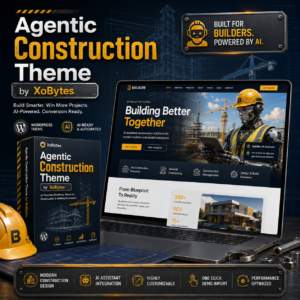
Agentic Construction Theme | More than just a theme | Built for all trades
$49.99
Why You Need This Theme And Plugin! Click here for the Demo Agentic Construction Theme by XoBytes is…
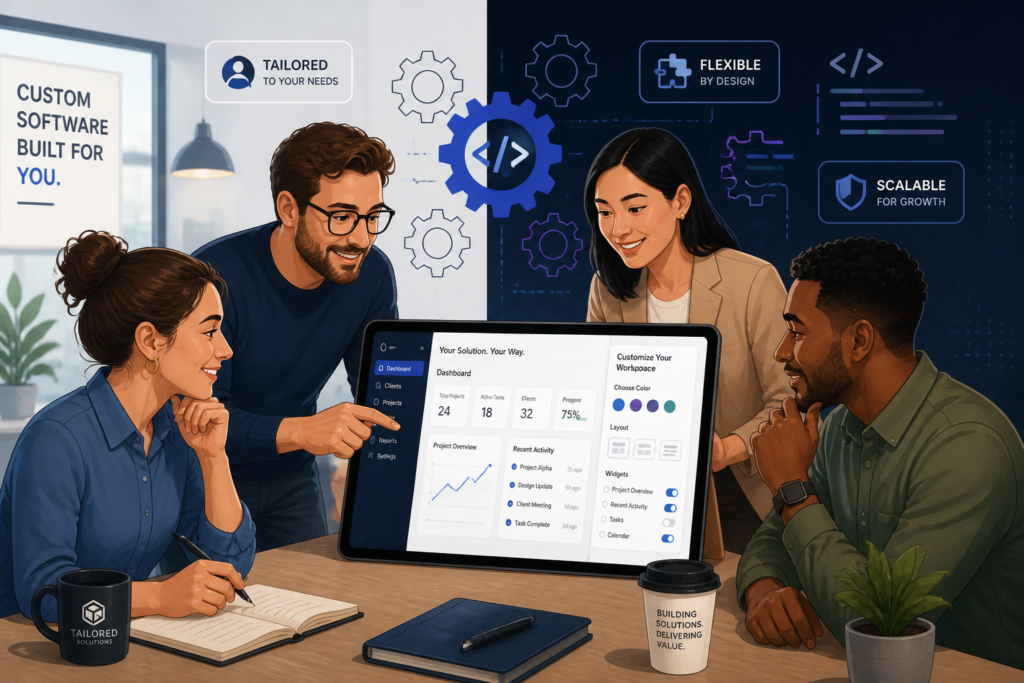
In today’s competitive landscape, small businesses face unique challenges that often require innovative solutions. One of the most effective ways to tackle these challenges is by investing in custom software development. Custom software can provide tailored solutions designed specifically for your business…
In today’s competitive landscape, small businesses face unique challenges that often require innovative solutions. One of the most effective ways to tackle these challenges is by investing in custom software development. Custom software can provide tailored solutions designed specifically for your business needs, which is crucial for enhancing efficiency and driving growth. For instance, the Agentic Construction Theme offers a comprehensive platform that not only meets the operational requirements of contractors but also streamlines their workflow for better project management.
Moreover, custom software allows small businesses to differentiate themselves in the market. Unlike off-the-shelf software that may not fully address specific operational challenges, custom solutions can be tailored to meet the exact needs of your business. This flexibility can lead to significant cost savings and improved productivity. Investing in the right software is not just a trend; it is a strategic move that can yield long-term benefits.
Custom software development involves creating software solutions tailored to the specific requirements of a business. This process allows companies to develop applications that integrate seamlessly with their existing systems, thus enhancing overall efficiency. The goal is to create software that aligns perfectly with the business’s operational needs.
To illustrate, consider how a construction business might benefit from custom software. With the Agentic Construction Theme, contractors can manage projects, track leads, and communicate with clients all in one place. This not only saves time but also reduces the chances of errors that can occur when using multiple software solutions.
Investing in custom software can have numerous advantages for small businesses. Here are some key benefits:
The Agentic Construction Theme is more than just a theme; it is a complete business solution designed for contractors and trade businesses. Priced at just $49.99, it offers a plethora of features that can transform how you operate:
However, it is important to note that while the Agentic Construction Theme is designed for contractors, it may not be suitable for businesses outside of the construction industry. If your business operates in a different sector, consider looking for a solution that aligns more closely with your specific needs.
For a practical companion to this section, explore How Custom Software Empowers Small Businesses to Grow and Innovate.
Getting started with custom software development involves several steps:
$49.99
Why You Need This Theme And Plugin! Click here for the Demo Agentic Construction Theme by XoBytes is…

$19.99
Agentic Consultant for WordPress gives your website a smart AI product rep, customer service agent, and hands-free voice…

$19.99
Xobytes Social Autopilot is a WordPress social media autoposter that helps schedule and promote posts, pages, WooCommerce products,…
$25.00
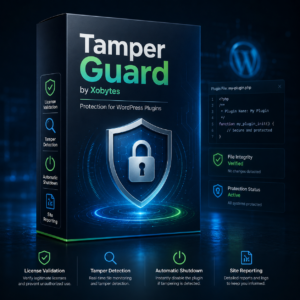
Protect your commercial WordPress plugins with license-based tamper detection, file integrity monitoring, automatic shutdown protection, and site reporting.…
$19.99
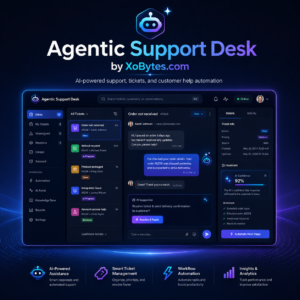
Agentic Support Desk by Xobytes is an AI-powered WordPress support desk built for software sellers, WooCommerce stores, agencies,…

$25.00
AgentShield is a WordPress AI Agent Firewall that helps detect, monitor, block, and temporarily ban AI crawlers, AI…
Product 1 of 6
To better understand the impact of custom software development, let’s explore a few real-world examples of small businesses that have successfully implemented tailored solutions.
A local bakery faced challenges in managing inventory and processing orders efficiently. They opted for a custom software solution that enabled them to track inventory levels in real-time and automate the ordering process. As a result, they reduced food waste by 30% and improved order fulfillment speed, leading to a 20% increase in customer satisfaction.
For additional authoritative context, review Get your AI blog generator here!.
A boutique marketing agency struggled with project management and client communication due to the use of multiple software tools. They decided to invest in a custom project management system that integrated client communication, task assignments, and deadline tracking. This solution improved collaboration among team members and clients, resulting in a 40% increase in project delivery speed.
Continue with What Is Custom Software Development and When Does Your Business Need It? for additional XoBytes guidance.
Before embarking on the journey of custom software development, small businesses should consider the following factors:
Implementing custom software requires careful planning and execution. Here are the essential steps to follow:
Investing in custom software development is not just about addressing immediate needs; it’s about creating a foundation for future growth and innovation. By understanding the unique challenges of your business and leveraging tailored solutions, you can position your small business for success in an ever-evolving marketplace.
Here are some common questions regarding custom software development for small businesses:
Custom software offers small businesses tailored features, improved efficiency, scalability, and a competitive edge by addressing specific operational needs that off-the-shelf solutions may not fully meet.
Look for developers with experience in small business solutions, a proven track record, clear communication, and the ability to customize tools to your specific industry and operational requirements.
Costs vary based on complexity, features, and development time, but investing in quality development ensures long-term benefits such as increased efficiency and scalability, often justified by ROI.
Yes, reputable developers can ensure your custom software seamlessly integrates with your current tools, such as accounting, CRM, or project management systems, enhancing overall workflow.
In conclusion, investing in custom software development is a strategic move that can significantly enhance the efficiency and effectiveness of small businesses. With tailored solutions like the Agentic Construction Theme, businesses can streamline operations and achieve their goals more effectively. Explore this solution today and see how it can benefit your business!