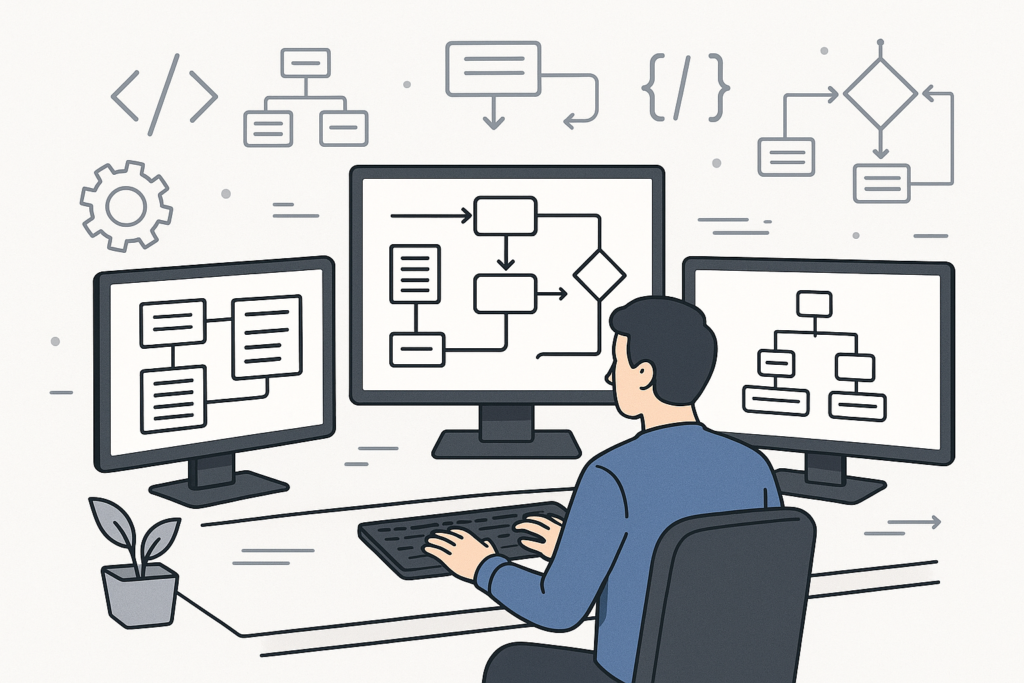
Bespoke software development costs can vary widely depending on your project’s unique needs. Understanding bespoke software development costs is essential for businesses planning to invest in tailored digital solutions. In this article, we break down the main factors that influence pricing and offer practical tips to help you plan your budget effectively.
Moreover, if you want to explore detailed pricing guides, check out our How Much Does Bespoke Software Development Cost? Pricing Guide for comprehensive insights.
What Is Bespoke Software Development?
First, it’s important to clarify what bespoke software development means. Bespoke software refers to custom-built software solutions designed specifically to meet the unique requirements of a business. Unlike off-the-shelf software, which is mass-produced and standardized, bespoke solutions offer tailored functionality and flexibility.
Because of this customization, bespoke software can better align with your workflows, improve efficiency, and provide competitive advantages. That said, these benefits come with costs that vary significantly based on your project’s scope.
Key Factors Influencing Bespoke Software Development Costs
To make this easier, let’s explore the main elements that affect bespoke software pricing. Understanding these can help you manage expectations and control your budget.
1. Project Complexity
First, the complexity of your project plays a major role. Complex software with advanced algorithms, multiple user roles, or high security requirements will require more development time and expertise. As a result, costs rise accordingly.
2. Number and Type of Features
Next, the quantity and nature of features impact pricing. For example, integrating payment gateways, real-time data processing, or third-party APIs adds layers of work. Therefore, prioritizing essential features during planning can help reduce costs.
3. Design and User Experience (UX)
Moreover, custom design tailored to your brand and user needs requires additional resources. While a simple interface might be more affordable, investing in intuitive UX can improve adoption and satisfaction.
4. Technology Stack and Integrations
In addition, the choice of programming languages, frameworks, and integrations with existing systems influences cost. Complex integrations or newer technologies might require specialized developers, increasing the budget.
5. Development Timeline
Meanwhile, tight deadlines usually mean higher costs. Accelerated schedules often require more developers or overtime work, which adds to the overall expense.
6. Maintenance and Support
Finally, ongoing maintenance, updates, and technical support are essential parts of bespoke software projects. Planning for these post-launch costs ensures your software remains reliable and secure.
How to Estimate Your Bespoke Software Development Budget
Estimating costs accurately can be challenging. However, by following some best practices, you can create a realistic budget.
- Define Clear Requirements: Detailed project scopes reduce misunderstandings and scope creep.
- Prioritize Features: Focus on must-have functionalities first, postponing nice-to-have features.
- Choose an Experienced Partner: Skilled developers can provide better estimates and efficient solutions.
- Request Multiple Quotes: Comparing proposals helps identify fair pricing and value.
- Plan for Contingencies: Allocate extra budget for unexpected changes or challenges.
For further guidance, visit our Custom Software Pricing Guide: How Much Will Your Project Cost? to explore cost estimation tips and examples.
Bespoke Software vs Off-the-Shelf Software Costs
Often, businesses wonder how bespoke software compares to off-the-shelf alternatives in terms of cost. Generally, bespoke solutions are more expensive upfront because they are tailored exactly to your needs. In contrast, off-the-shelf software is mass-produced and less flexible but usually cheaper initially.
However, off-the-shelf solutions might require costly workarounds or additional licenses over time. Therefore, considering total cost of ownership is crucial. To learn more, check our article on Custom Software vs Off-the-Shelf Software: Key Differences & Examples and Workflow Solutions: Custom App Development vs Off-the-Shelf Software.
Tips to Reduce Bespoke Software Development Costs
Because bespoke software can be costly, many businesses look for ways to optimize expenses without sacrificing quality.
- Clearly Define Requirements: Avoid costly changes by having detailed specifications from the start.
- Prioritize Features: Develop a Minimum Viable Product (MVP) first to test core functionalities.
- Use Agile Development: Iterative development helps manage scope and budget efficiently.
- Choose an Experienced Development Team: Skilled developers work faster and reduce errors.
- Consider Reusable Components: Leveraging existing modules or open-source tools can save time.
Frequently Asked Questions
What is bespoke software development?
Bespoke software development refers to creating custom software solutions tailored specifically to meet the unique needs and requirements of a business.
How is the cost of bespoke software calculated?
The cost depends on factors such as project complexity, number of features, design requirements, integrations, technology stack, and timelines.
Is bespoke software more expensive than off-the-shelf software?
Generally yes, because bespoke software is custom-built to fit exact needs, whereas off-the-shelf solutions are mass-produced and less flexible.
Can bespoke software development costs be reduced?
Costs can be optimized by clearly defining requirements, prioritizing essential features, and choosing an experienced development partner.
To learn more about pricing nuances, visit our Custom Software Pricing vs Development Cost Explained and How Much Does Custom Software Development Cost? Pricing Guide.
In conclusion, understanding bespoke software development costs helps you make informed decisions, plan budgets effectively, and choose the right development approach. For tailored solutions that fit your business perfectly, investing in bespoke software can deliver long-term value and efficiency.
Leave a Reply