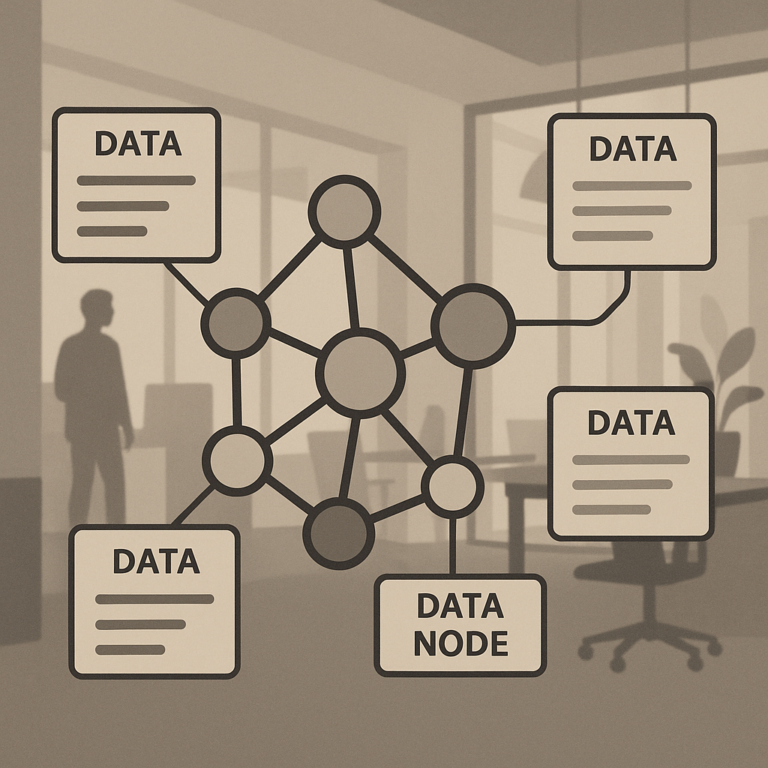
In today’s data-driven world, businesses are constantly searching for ways to stand out. One powerful strategy is leveraging custom data within tailored business software. Understanding custom data is the key to building solutions that truly fit your organization’s needs, rather than forcing you to adapt to generic tools.
But what exactly is custom data, and why does it matter so much in custom software? In this article, you’ll learn how custom data empowers your business to operate smarter, faster, and with greater precision. Moreover, you’ll discover real-world examples, practical benefits, and best practices for using custom data in your software solutions.
What Is Custom Data?
At its core, custom data refers to information that is specifically tailored to your business’s unique requirements. Unlike standard or off-the-shelf data sets, custom data is structured and formatted to match your processes, workflows, and goals.
For example, a retail business might track custom fields for loyalty program participation, while a healthcare provider could record patient preferences, treatment milestones, or compliance metrics. In both cases, the data is designed around what matters most to that organization.
To learn more about how custom data drives powerful software solutions, you may want to visit our in-depth guide on custom data and software solutions.
Custom Data vs. Standard Data: What Sets Them Apart?
Understanding the difference between custom and standard data is crucial for any business considering software development. Standard data refers to generic fields and information sets that come pre-built in off-the-shelf applications. These might include basic customer names, addresses, or order numbers.
In contrast, custom data is:
- Specifically designed for your business model
- Aligned with your internal processes and reporting needs
- Flexible to adapt as your business evolves
Because of this, custom data allows your software to deliver insights and automation that generic solutions simply cannot match.
Why Is Custom Data Essential for Tailored Business Software?
Custom data is the backbone of any successful tailored business software. Without it, even the most advanced applications can fall short of your true needs. There are several reasons why custom data is so important:
- Enhanced Relevance: Custom data ensures that every input, report, and dashboard is meaningful to your organization.
- Improved Decision-Making: Because data is tailored, your team gains insights that are directly actionable for your unique challenges.
- Greater Efficiency: Automations and workflows can be designed around your actual processes, reducing manual work and errors.
- Competitive Advantage: Custom data can reveal trends and opportunities that competitors relying on standard software may miss.
Moreover, as your business grows, custom data structures can be adapted to support new products, services, or markets.
Examples of Custom Data in Business Software
To make this easier to visualize, here are some common examples of custom data in real-world business software solutions:
- CRM Systems: Custom fields for sales stages, client preferences, or industry-specific metrics
- Inventory Management: Unique product attributes, supplier ratings, or reorder triggers
- Healthcare Applications: Patient history, treatment milestones, or compliance tracking
- Project Management Tools: Custom task statuses, time-tracking codes, or resource allocations
- HR Platforms: Employee certifications, custom review cycles, or benefit selections
As you can see, custom data enables your software to speak the language of your business, instead of forcing your business to fit someone else’s template.
How Custom Data Improves Business Software
Custom data doesn’t just add flexibility; it transforms how your organization operates. For example, when your data fields match your actual services and workflows, your software can:
- Provide more accurate and meaningful analytics
- Trigger automated responses based on real business logic
- Integrate seamlessly with other systems and data sources
- Support compliance and audit requirements more easily
In other words, custom data helps you get more value from every piece of information your business collects.
When Should a Business Consider Using Custom Data?
Not every business needs custom data from day one. However, there are clear signals that your organization should consider it:
- Your current software cannot track key business metrics or processes
- Manual workarounds are common due to missing fields or features
- You need to integrate data from multiple sources or departments
- Your reporting needs are unique or evolving
- You want to automate tasks based on your own criteria
If these sound familiar, it may be time to explore custom software development. For a deeper dive into this decision, check out our post on custom software development and business needs.
Custom Data in Workflow Automation
Because custom data is designed around your business, it’s a natural fit for workflow automation. For instance, you can build automated processes that:
- Assign tasks based on custom project stages
- Send alerts when unique thresholds are met
- Automatically generate customized reports for stakeholders
As a result, your team spends less time on repetitive tasks and more time on high-value activities.
Benefits of Using Custom Data for Small Businesses
Small businesses, in particular, can benefit from custom data. Unlike large enterprises, they often need to move quickly and adapt to changing markets. Custom data allows them to:
- Personalize customer experiences
- Identify niche opportunities
- Streamline operations without expensive enterprise software
Therefore, even modest investments in custom data can deliver significant returns for small and growing companies.
How to Implement Custom Data in Software Solutions
Implementing custom data starts with a clear understanding of your business goals. Next, you should:
- Map your workflows and identify unique data points
- Work with a software partner to design flexible data models
- Test and refine your data structures as your business evolves
- Establish data governance and security practices
Additionally, it’s important to train your team to use and maintain your custom data effectively.
Custom Data Management Best Practices
To ensure your custom data delivers ongoing value, consider these best practices:
- Regularly review and update data fields for relevance
- Standardize naming conventions and formats
- Implement access controls and data privacy policies
- Back up custom data routinely
- Monitor data quality and correct errors promptly
Meanwhile, partnering with experienced developers can help you avoid common pitfalls and maximize your investment.
Frequently Asked Questions
- What is custom data in software development?
Custom data refers to information specifically tailored and structured to meet the unique requirements of a business or application, unlike generic or standard data sets. - How does custom data benefit businesses?
Custom data enables businesses to gain more relevant insights, improve decision-making, and enhance the functionality of custom software by aligning data with specific workflows and goals. - Is custom data different from off-the-shelf data?
Yes, custom data is uniquely created or organized for a particular business need, whereas off-the-shelf data is generic and designed for broad use without customization. - When should a business consider using custom data?
Businesses should consider custom data when standard data sets do not adequately capture their unique processes, customer information, or operational metrics, especially when implementing custom software.
Conclusion: Unlock the Power of Custom Data
In summary, understanding custom data is the key to building business software that truly supports your unique goals. By investing in custom data structures, you unlock new opportunities for efficiency, insight, and growth.
Whether you’re just starting to explore tailored software or looking to optimize existing solutions, focusing on your custom data is a smart first step. If you’d like to learn more or need expert guidance, consider reaching out to experienced custom software partners who understand the value of custom data in today’s digital landscape.
Image suggestion: Visual diagram contrasting custom data fields with standard data in a business software interface.