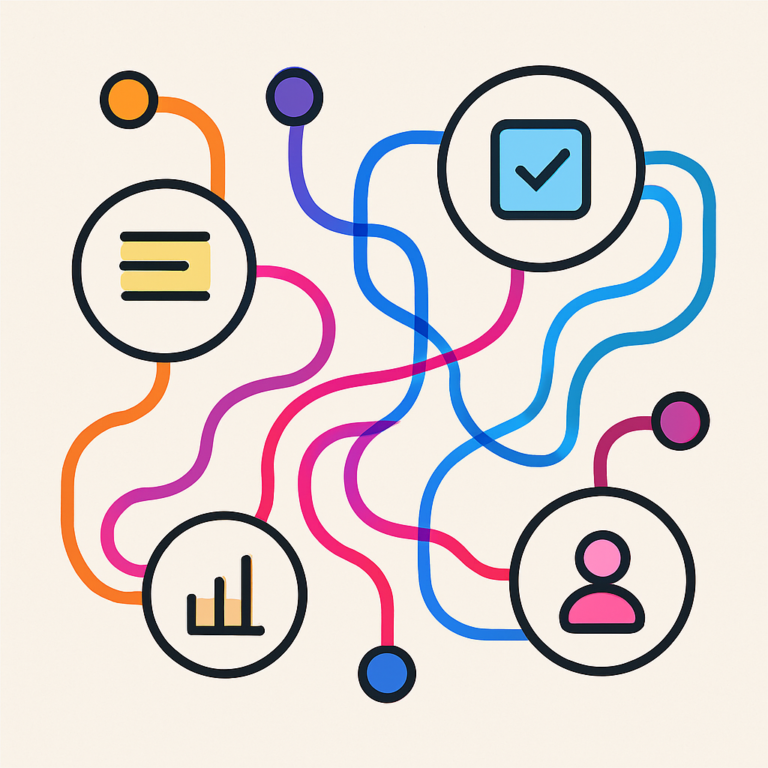
In today’s digital landscape, data is the engine that drives business growth. However, not all data is created equal. Custom data—information sets tailored specifically for your business—can be the key to unlocking smarter decisions and more efficient operations. In this guide, you’ll learn what custom data is, why it’s essential, and how your organization can leverage it for a true competitive advantage.
What Is Custom Data? A Direct Answer
Custom data refers to information that is specifically structured, collected, and organized to meet the unique needs of a particular business or application. In contrast, standard or off-the-shelf data sets are generic and designed for broad use. As a result, custom data allows you to capture the details that matter most to your workflows, customers, and goals.
For a deeper dive into this concept, you can explore What Is Custom Data and How It Drives Powerful Custom Software Solutions.
Why Your Business Needs Tailored Information Sets
Because every organization operates differently, generic data often falls short. Tailored information sets empower your business to:
- Capture unique metrics that reflect your specific processes and objectives.
- Support custom software for tasks ranging from inventory management to customer engagement.
- Enable data-driven decisions that truly fit your business context.
Moreover, custom data supports innovation by giving you the flexibility to adapt and grow as your needs evolve.
Custom Data vs. Standard Data: Key Differences
At first glance, all data may seem similar. However, there are crucial differences between custom data and standard data. Understanding these distinctions is vital for any business considering a tailored information strategy.
Standard Data
- Predefined structure and fields
- Designed for general industry use
- Limited flexibility for unique business needs
Custom Data
- Created and organized for your specific requirements
- Flexible and adaptable as your business grows
- Directly supports your unique workflows and goals
In other words, custom data gives you a foundation that truly matches your operations, while standard data may force you to adapt your processes to fit the software.
To compare software strategies, see How Custom Made Software Differs from Off-the-Shelf Solutions.
How Custom Data Powers Business Software Solutions
When you invest in custom software, the data behind it is just as important as the code. Because custom data is built around your needs, it enables software to:
- Automate complex business processes
- Integrate seamlessly with existing tools
- Provide meaningful analytics and insights
- Improve user experience by displaying only relevant information
For example, a retail business might use custom data to track unique inventory attributes, customer purchase patterns, and supplier relationships—all in one tailored dashboard.
To learn more about turning custom data into actionable software, visit Understanding Custom Data: Unlock Tailored Business Software Solutions.
Real-World Examples of Custom Data in Action
To make this concept easier to grasp, here are a few practical examples of custom data powering real business solutions:
- Healthcare: Patient records structured with custom fields for unique treatments, allergies, or regional health regulations.
- Manufacturing: Production tracking systems with custom data for machine performance, batch numbers, and quality checks.
- Retail: Customer loyalty programs capturing unique purchase histories, preferences, and engagement patterns.
- Service Businesses: Scheduling tools using custom data for appointment types, staff qualifications, and resource availability.
Because these information sets are tailored, they provide insights and automation that off-the-shelf solutions cannot match.
Benefits of Using Custom Data for Small and Medium Businesses
Small and medium-sized businesses (SMBs) often assume that custom data solutions are only for large enterprises. However, this is a misconception. In fact, SMBs can benefit even more from tailored information sets, including:
- Improved efficiency by automating manual tasks with data that fits your workflow
- Better customer service through personalized records and communication
- Scalable growth as your data structure adapts to new products, services, or markets
- Competitive advantage by supporting unique business models or offerings
Because custom data is flexible, it grows with your business rather than holding you back.
How to Implement Custom Data in Your Business Software
Next, let’s explore how you can start implementing custom data in your organization. The process typically involves:
- Identifying your unique data needs by mapping out your workflows, goals, and pain points.
- Designing a custom data structure that supports your processes and reporting requirements.
- Developing or configuring custom software to collect, store, and manage your tailored information sets.
- Integrating with existing systems to ensure seamless data flow and avoid duplication.
- Training your team to use the new data-driven tools effectively.
For more guidance on this journey, read Custom Made Software Explained: Tailored Solutions for Your Business Needs.
Custom Data Management Best Practices
To maximize the value of your custom data, it’s important to follow proven best practices. For example:
- Maintain data quality by setting clear rules for input, validation, and updates.
- Secure sensitive information with appropriate access controls, encryption, and backup strategies.
- Regularly review and refine your data structures to keep them aligned with changing business needs.
- Ensure compliance with relevant regulations, such as GDPR or industry-specific standards.
In addition, partnering with experienced software developers can help you avoid common pitfalls and ensure your custom data solution is robust and future-proof.
Common Challenges and How to Overcome Them
While custom data offers many advantages, it can also present challenges. However, with the right approach, these can be overcome. Common issues include:
- Complexity: Custom data structures can become complicated. Start simple and expand as your needs grow.
- Integration: Connecting custom data with legacy systems requires careful planning and technical expertise.
- Change management: Teams may need support and training to adapt to new data-driven processes.
Because of this, it’s important to involve stakeholders early and choose technology partners who understand both your business and the technical landscape.
When Should Your Business Invest in Custom Data?
Deciding when to move from standard to custom data depends on your business situation. Generally, you should consider custom data if:
- Your current data solution does not reflect your unique processes or KPIs
- You need better insights for decision-making
- Off-the-shelf software limits your growth or innovation
- Your industry requires specialized reporting or compliance
For a comprehensive look at business scenarios that benefit from custom solutions, see Understanding Custom Made Software: Why Your Business May Need It.
Frequently Asked Questions
- What is custom data in software development?
Custom data refers to information specifically tailored and structured to meet the unique requirements of a business or application, unlike generic or standard data sets. - How does custom data benefit businesses?
Custom data enables businesses to gain more relevant insights, improve decision-making, and enhance the functionality of custom software by aligning data with specific workflows and goals. - Is custom data different from off-the-shelf data?
Yes, custom data is uniquely created or organized for a particular business need, whereas off-the-shelf data is generic and designed for broad use without customization. - When should a business consider using custom data?
Businesses should consider custom data when standard data sets do not adequately capture their unique processes, customer information, or operational metrics, especially when implementing custom software.
Conclusion: The Strategic Value of Custom Data
In summary, custom data is more than just a technical asset—it’s a strategic driver for business success. By creating tailored information sets that fit your unique needs, you unlock smarter decision-making, improved efficiency, and long-term growth. If you’re ready to take the next step, explore the full range of custom software solutions and learn how custom data can transform your business.
For more insights on custom software and data-driven strategies, visit the Xobytes Blog.