
In today’s fast-paced digital world, providing exceptional customer support is crucial for any business. Therefore, selecting the right help desk plugin for your WordPress site can significantly enhance your customer service experience. In this article, we will explore the best help desk plugins for WordPress, their features, and how they can boost your support efficiency and customer satisfaction.
Why Use Help Desk Plugins?
Help desk plugins streamline customer support operations by organizing tickets, automating responses, and allowing multi-channel communication. As a result, they help businesses save time and improve customer satisfaction. Moreover, these plugins can integrate with existing tools, making it easier to manage support requests.
Top Help Desk Plugins for WordPress
To make this easier, here are some of the best help desk plugins available for WordPress:
- Agentic Support Desk: This AI-powered plugin is designed for WooCommerce stores and offers automation features that enhance customer interactions.
- WP Help Desk: A straightforward solution that allows you to create and manage tickets easily, providing a user-friendly interface for both customers and support agents.
- Zendesk for WordPress: Integrates seamlessly with Zendesk, allowing you to manage customer inquiries directly from your WordPress dashboard.
- Freshdesk: Offers a robust set of features, including ticket management, reporting, and multi-channel support, making it a great choice for larger businesses.
- SupportCandy: A free help desk plugin that provides ticket management, email notifications, and a knowledge base for users.
Each of these plugins has unique features tailored to different business needs. Therefore, it’s essential to evaluate them based on your specific requirements.
Key Features to Look For
When selecting a help desk plugin, consider the following features:
- Ticket Management: Efficient ticket management is vital for tracking customer inquiries and ensuring timely responses.
- Multi-Channel Support: Customers reach out through various channels, so the ability to manage inquiries from email, social media, and chat is crucial.
- Automation Capabilities: Automating responses and ticket assignments can significantly reduce the workload on your support team.
- Knowledge Base Integration: A well-maintained knowledge base helps customers find answers to common questions, reducing support requests.
- User-Friendly Interface: An intuitive interface improves user experience for both customers and support agents.
Integrating Help Desk Plugins with Your Workflow
Integrating a help desk plugin into your existing workflow can streamline your customer support process. For example, you can connect your help desk system with your CRM to track customer interactions and enhance service quality. Additionally, using plugins that offer reporting features allows you to analyze support performance and identify areas for improvement.
How to Choose the Right Plugin
Choosing the best help desk plugin involves considering your business size, support volume, and specific needs. Therefore, evaluate each plugin’s features, pricing, and user reviews before making a decision. You can also utilize trial versions of plugins to test their functionality and compatibility with your current systems.
For further insights, check out our post on 2026’s Leading WordPress Help Desk Software for more options and comparisons.
Conclusion
In conclusion, selecting the right help desk plugin for your WordPress site is crucial for enhancing customer support efficiency and satisfaction. By considering the features and integrations that best suit your business needs, you can streamline your support operations and provide exceptional service to your customers. Make sure to evaluate your options carefully and choose a plugin that aligns with your goals.
For a practical companion to this section, explore Top Help Desk Plugins for WordPress: Boost Customer Support Efficiency.
Practical Examples of Help Desk Plugin Implementation
Implementing a help desk plugin can vary based on your business model and customer support needs. Here are some practical examples of how different types of businesses can utilize help desk plugins effectively:
- E-commerce Stores: An online retail business can use plugins like Agentic Support Desk to handle customer inquiries about order status, returns, and product information. Automating responses for common questions can free up support agents to focus on more complex issues.
- Service-Based Businesses: A consulting firm can use a help desk plugin to manage client requests for appointments, document submissions, and feedback. Utilizing a ticketing system can help track these requests and ensure timely follow-ups.
- Educational Institutions: Schools and universities can implement a help desk plugin to manage inquiries from students and parents regarding admissions, course information, and financial aid. A knowledge base can provide quick answers to frequently asked questions.
Comparing Help Desk Plugins: A Detailed Look
When choosing a help desk plugin, it’s essential to compare their features side by side. Here’s a comparison of some popular plugins:
| Plugin | Ticket Management | Automation | Multi-Channel Support | Pricing |
|---|---|---|---|---|
| Agentic Support Desk | Yes | Yes | Yes | Starting at $15/month |
| WP Help Desk | Yes | No | No | Free |
| Zendesk for WordPress | Yes | Yes | Yes | Starting at $19/month |
| Freshdesk | Yes | Yes | Yes | Free for basic features |
| SupportCandy | Yes | No | No | Free |
Steps to Implement a Help Desk Plugin on Your WordPress Site
Implementing a help desk plugin on your WordPress site can be straightforward. Follow these steps to get started:
- Identify Your Needs: Assess your customer support requirements, including the volume of inquiries and preferred communication channels.
- Research Plugins: Based on your needs, research and compare different help desk plugins. Look for reviews and user feedback.
- Install the Plugin: Once you’ve selected a plugin, install it from the WordPress plugin repository or upload it manually if it’s a premium plugin.
- Configure Settings: Go through the plugin settings to customize it according to your business requirements. Set up ticket categories, notification preferences, and automation rules.
- Integrate with Other Tools: If necessary, integrate the help desk plugin with your CRM, email marketing tools, or other relevant software to enhance functionality.
- Test the System: Before going live, conduct tests to ensure everything is functioning correctly. Simulate customer inquiries to check ticket creation and response workflows.
- Train Your Team: Provide training for your support team on how to use the new system effectively. Ensure they understand how to manage tickets and utilize automation features.
Related XoBytes Products
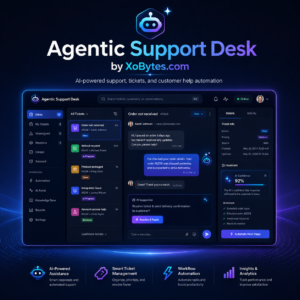
Agentic Support Desk for WordPress by XoBytes.com
$19.99
Agentic Support Desk by Xobytes is an AI-powered WordPress support desk built for software sellers, WooCommerce stores, agencies,…
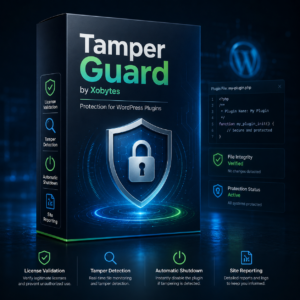
Tamper Guard by XoBytes | WordPress Plugin Tamper Detector
$25.00
Protect your commercial WordPress plugins with license-based tamper detection, file integrity monitoring, automatic shutdown protection, and site reporting.…

Plugin Update Server for WordPress by XoBytes.com
$25.00
Plugin Update Server by XoBytes lets WordPress plugin sellers deliver private plugin updates directly to customer dashboards. Upload…

Agentic Consultant, Product Rep, & Customer Service Agent By XoBytes.com
$19.99
Agentic Consultant for WordPress gives your website a smart AI product rep, customer service agent, and hands-free voice…
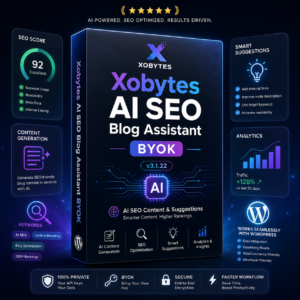
AI SEO Data & Automatic Blog Writer for WordPress by XoBytes
$19.99
Turn your WordPress site, Google Search Console data, and SEO opportunities into smarter blog posts, pages, titles, meta…

Social Media Autopilot With AI by XoBytes.com
$19.99
Xobytes Social Autopilot is a WordPress social media autoposter that helps schedule and promote posts, pages, WooCommerce products,…
Product 1 of 6
Decision Criteria for Selecting a Help Desk Plugin
When evaluating help desk plugins, consider the following decision criteria to ensure you choose the best fit for your organization:
Continue with 2024’s Leading WordPress Help Desk Software: Boost Support Efficiency for additional XoBytes guidance.
- Scalability: Will the plugin grow with your business? Look for options that can accommodate increasing ticket volumes.
- Customization: Can you customize the plugin to match your branding and workflow? Flexibility is essential for seamless integration.
- Support and Updates: Check the level of support provided by the plugin developers and how frequently they release updates.
- Community and Resources: A strong user community and available resources (like tutorials and forums) can be invaluable for troubleshooting and learning.
Common Challenges in Help Desk Management
While help desk plugins offer numerous benefits, businesses may encounter specific challenges when implementing them. Understanding these challenges can help you prepare better and ensure a smoother transition.
- Integration Issues: Sometimes, help desk plugins may not integrate seamlessly with existing systems, leading to data silos and inefficiencies.
- User Adoption: Team members may resist using new tools, especially if they find them complex or unintuitive.
- Over-Reliance on Automation: While automation can enhance efficiency, relying too heavily on it may lead to impersonal customer interactions.
- Data Management: Managing customer data effectively across different platforms can be challenging, especially if the help desk plugin does not offer robust reporting features.
Enhancing Customer Experience with Help Desk Plugins
To fully leverage the capabilities of help desk plugins, consider the following strategies to enhance customer experience:
- Personalization: Use customer data to personalize interactions. Address customers by name and tailor responses based on their previous inquiries.
- Feedback Loops: Implement mechanisms to gather customer feedback on support interactions. Use this data to improve service quality continuously.
- Proactive Support: Utilize analytics to identify common issues and proactively reach out to customers before they need to contact support.
- Regular Training: Conduct regular training sessions for your support team to keep them updated on new features and best practices.
Future Trends in Help Desk Solutions
As technology evolves, so do help desk solutions. Here are some trends to watch for in the future:
- AI and Machine Learning: Expect more advanced AI capabilities that can predict customer needs and automate responses with greater accuracy.
- Omni-Channel Support: The ability to provide seamless support across multiple channels (chat, email, social media) will become increasingly important.
- Self-Service Options: More businesses will implement self-service portals and chatbots to empower customers to find solutions independently.
- Enhanced Analytics: Advanced analytics tools will provide deeper insights into customer behavior and support performance, allowing for more strategic decision-making.
Case Studies: Successful Help Desk Implementations
Here are a few examples of businesses that successfully implemented help desk plugins and the impact it had on their operations:
- Online Retailer: A fashion e-commerce store integrated Freshdesk, which reduced response times by 40% and improved customer satisfaction ratings significantly.
- IT Services Company: A tech firm adopted Zendesk for WordPress, resulting in a 30% increase in ticket resolution speed and better tracking of customer interactions.
- Educational Institution: A university utilized SupportCandy to manage student inquiries, which streamlined communication and reduced administrative workload by 25%.
Frequently Asked Questions
Here are some common questions about help desk plugins for WordPress:
- What features should I look for in a WordPress help desk plugin?
- How can a help desk plugin improve customer support efficiency?
- Are there any recommended help desk plugins for WooCommerce stores?
Key features include ticket management, multi-channel support, automation capabilities, knowledge base integration, and user-friendly interfaces.
It automates repetitive tasks, organizes support tickets, enables faster response times, and provides seamless communication channels, leading to better support workflow.
Yes, plugins like Agentic Support Desk are designed to support WooCommerce environments, offering integrated ticketing and automation features.