
In today’s fast-paced business environment, selecting the right business automation tools is crucial for enhancing productivity and efficiency. However, with so many options available, it can be overwhelming to make the right choice. In this guide, we will explore how to choose the right business automation tools for your company, ensuring that you make informed decisions that align with your operational needs and objectives.
Understanding Business Automation
Business automation refers to the use of technology to automate repetitive tasks and processes within an organization. This not only streamlines workflows but also reduces the potential for human error. Moreover, it allows employees to focus on more strategic tasks, ultimately driving growth and innovation.
Benefits of Business Automation Tools
Before diving into how to choose the right tools, it’s essential to understand the benefits they can provide:
For useful background on this topic, see Assessing Business Needs: Is Custom Software the Right Solution?.
- Increased Efficiency: Automation tools can significantly speed up processes, reducing the time required for task completion.
- Cost Savings: By automating tasks, companies can reduce labor costs and allocate resources more effectively.
- Improved Accuracy: Automation minimizes the risk of human error, ensuring that tasks are completed correctly.
- Enhanced Customer Experience: With automation, businesses can respond to customer inquiries faster and more accurately, improving overall satisfaction.
- Data Insights: Many automation tools provide analytics that can help businesses make data-driven decisions.
Identifying Your Business Needs
To begin choosing the right business automation tools, start by assessing your company’s specific needs. Therefore, consider the following questions:
- What processes are currently time-consuming or prone to errors?
- Which tasks could benefit from automation?
- What are your business goals, and how can automation help achieve them?
- Are there existing tools that could be integrated with new automation solutions?
Key Features to Look For
After identifying your needs, it’s time to look for specific features in automation tools. To make this easier, here are some essential features to consider:
- Workflow Automation: Look for tools that can automate complex workflows across different departments.
- Integration Capabilities: Ensure that the tools can integrate seamlessly with your existing software and systems.
- Scalability: Choose tools that can grow with your business, accommodating increasing demands.
- User-Friendly Interface: Tools should be easy to use, minimizing the learning curve for your team.
- Customizability: The ability to tailor workflows and features to fit your specific processes is crucial.
Evaluating Different Tools
Next, evaluate different business automation tools available in the market. Here are some steps to follow:
- Research: Look for reviews and comparisons of various tools to understand their strengths and weaknesses.
- Trial Versions: Many software providers offer free trials. Utilize these to test the tools in your environment.
- Seek Recommendations: Consult with peers or industry experts for their recommendations based on their experiences.
- Consider Vendor Support: Ensure that the vendor provides adequate support and resources to help you implement the tools effectively.
Integrating Automation Tools into Your Business
Once you have selected the right tools, the next step is to integrate them into your business processes. This phase is critical and should be approached carefully. Here are some tips:
- Plan the Integration: Develop a clear plan for how the new tools will fit into your existing processes.
- Train Your Team: Provide comprehensive training to ensure that your team can use the new tools effectively.
- Monitor Performance: After implementation, continuously monitor the performance of the tools to ensure they are meeting your expectations.
Conclusion
Choosing the right business automation tools can significantly impact your company’s efficiency and growth. By understanding your needs, evaluating different options, and integrating the tools effectively, you can streamline operations and enhance productivity. For further guidance, consider reading our Ultimate Guide to Building an Effective Business Automation Suite.
Related XoBytes Products
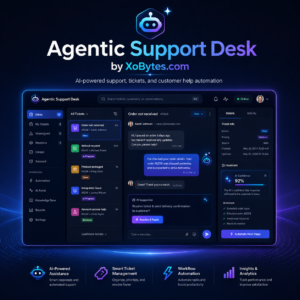
Agentic Support Desk for WordPress by XoBytes.com
$19.99
Agentic Support Desk by Xobytes is an AI-powered WordPress support desk built for software sellers, WooCommerce stores, agencies,…

Agentic Construction Theme | More than just a theme | Built for all trades
$49.99
Why You Need This Theme And Plugin! Click here for the Demo Agentic Construction Theme by XoBytes is…

Agentic Consultant, Product Rep, & Customer Service Agent By XoBytes.com
$19.99
Agentic Consultant for WordPress gives your website a smart AI product rep, customer service agent, and hands-free voice…
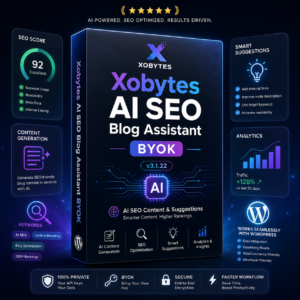
AI SEO Data & Automatic Blog Writer for WordPress by XoBytes
$19.99
Turn your WordPress site, Google Search Console data, and SEO opportunities into smarter blog posts, pages, titles, meta…

Agent Shield by XoBytes | Protect against agentic software
$25.00
AgentShield is a WordPress AI Agent Firewall that helps detect, monitor, block, and temporarily ban AI crawlers, AI…
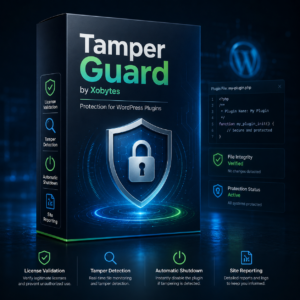
Tamper Guard by XoBytes | WordPress Plugin Tamper Detector
$25.00
Protect your commercial WordPress plugins with license-based tamper detection, file integrity monitoring, automatic shutdown protection, and site reporting.…
Product 1 of 6
Practical Examples of Business Automation Tools
To better understand how business automation tools can be applied, here are some practical examples across various functions:
Continue with How to Choose the Best WordPress Support Plugins for Your Business for additional XoBytes guidance.
- Customer Relationship Management (CRM): Tools like Salesforce or HubSpot automate customer interactions, manage leads, and provide insights into customer behavior, allowing sales teams to focus on closing deals rather than administrative tasks.
- Marketing Automation: Platforms such as Mailchimp or Marketo can automate email campaigns, segment audiences, and analyze engagement metrics, helping marketing teams deliver personalized content without manual effort.
- Accounting and Invoicing: Software like QuickBooks or FreshBooks automates invoicing, expense tracking, and financial reporting, reducing the time spent on financial tasks and minimizing errors.
- Project Management: Tools like Asana or Trello automate task assignments, deadline reminders, and progress tracking, ensuring that projects stay on schedule without constant oversight.
Comparison of Popular Business Automation Tools
When evaluating which business automation tools to choose, it can be helpful to compare popular options based on key features and pricing. Here’s a brief comparison:
| Tool | Key Features | Pricing |
|---|---|---|
| Zapier | Integration with over 3,000 apps, customizable workflows | Starts at $19.99/month |
| HubSpot | CRM, email marketing, analytics | Free tier available; paid plans start at $50/month |
| Monday.com | Visual project management, automation of repetitive tasks | Starts at $39/month for 5 users |
| Salesforce | Comprehensive CRM, advanced analytics, customizable dashboards | Starts at $25/user/month |
Implementation Steps for Business Automation Tools
Implementing business automation tools can be a complex process, but following these steps can help ensure a smooth transition:
- Define Objectives: Clearly outline what you hope to achieve with automation, such as reducing response times or increasing sales conversions.
- Involve Stakeholders: Engage team members from different departments to gather insights and ensure buy-in for the new tools.
- Create a Timeline: Develop a timeline for implementation, including key milestones and deadlines to keep the project on track.
- Test and Iterate: Start with a pilot program to test the tools in a controlled environment, gathering feedback and making adjustments as necessary.
- Full Rollout: Once the pilot is successful, proceed with a full rollout, ensuring all team members are trained and comfortable with the new tools.
Decision Criteria for Selecting Automation Tools
When choosing the right business automation tools, consider the following decision criteria to help narrow down your options:
- Cost vs. Budget: Evaluate the total cost of ownership, including subscription fees, training, and potential hidden costs.
- Feature Set: Ensure the tool meets your specific needs and offers features that will genuinely improve your operations.
- User Adoption: Assess how intuitive the tool is and the likelihood of your team adopting it without extensive training.
- Vendor Reputation: Research the vendor’s history, customer support, and user reviews to gauge reliability and support quality.
- Future-Proofing: Consider whether the tool can adapt to your business’s future needs and technological advancements.
Frequently Asked Questions
Below are some common questions regarding business automation suites and their benefits:
- What is a business automation suite? A business automation suite is a collection of integrated tools and software designed to streamline processes, improve efficiency, and automate repetitive tasks across various business functions.
- How can a business automation suite benefit my company? It can reduce manual work, increase accuracy, improve customer service, and free up resources for strategic growth by automating routine tasks and integrating different business systems.
- What are essential features to look for in a business automation suite? Key features include workflow automation, customer support integration, reporting and analytics, CRM capabilities, and compatibility with existing systems like WooCommerce or project management tools.
- Can I customize a business automation suite for my specific needs? Yes, many automation suites are customizable, allowing you to tailor workflows, integrations, and features to match your business processes and objectives.