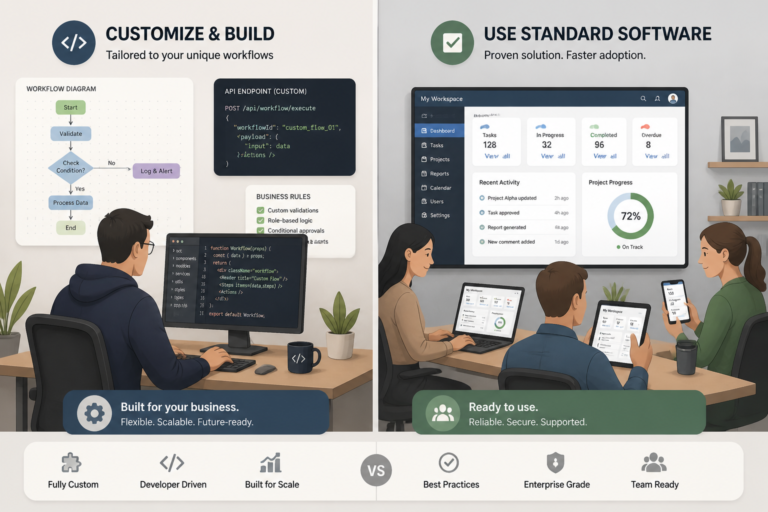
In today’s rapidly evolving technological landscape, businesses face the critical decision of choosing the right software solution. Specifically, they must decide between custom software and off-the-shelf solutions. This article explores the differences, advantages, and disadvantages of proprietary and ready-made software, helping you make an informed choice for your organization.
Understanding Custom Software
Custom software, also known as proprietary software, is tailored specifically to meet the unique needs of a business. This type of software is developed for a specific organization, allowing for greater flexibility and control. For example, if a company has unique workflows or requires specific functionalities, custom software can be designed to accommodate these needs.
What is Off-the-Shelf Software?
In contrast, off-the-shelf software is ready-made and designed for a general audience. These solutions are typically less expensive upfront and can be deployed quickly. However, they may not always meet the specific needs of every organization. For instance, off-the-shelf solutions often come with standardized features that may not align perfectly with a business’s unique requirements.
Key Differences Between Custom and Off-the-Shelf Software
To make a well-informed decision, it’s essential to understand the key differences between custom and off-the-shelf software:
For useful background on this topic, see Choosing Between Proprietary and Off-the-Shelf Software: Key Insights.
- Customization: Custom software allows for tailored features, while off-the-shelf software offers limited customization options.
- Cost: Custom solutions generally require a higher initial investment, whereas off-the-shelf software tends to have lower upfront costs but may involve ongoing licensing fees.
- Implementation Time: Off-the-shelf solutions can be implemented quickly, while custom software development takes more time due to its tailored nature.
- Support and Maintenance: Custom software often comes with dedicated support, while off-the-shelf solutions may rely on community support or third-party resources.
Advantages of Custom Software
Choosing custom software offers several advantages:
- Tailored Solutions: Custom software can be designed specifically for your business processes, enhancing efficiency.
- Competitive Advantage: By developing unique features, businesses can differentiate themselves from competitors.
- Scalability: Custom solutions can grow with your business, ensuring they remain relevant as needs evolve.
Disadvantages of Custom Software
However, custom software also has its drawbacks:
- Higher Initial Costs: The development costs can be significant, especially for small businesses.
- Longer Development Time: Creating a tailored solution may take longer than deploying off-the-shelf software.
- Dependency on Developers: Ongoing maintenance and updates may require a dedicated team of developers.
Advantages of Off-the-Shelf Software
Off-the-shelf software comes with its own set of benefits:
- Cost-Effective: Generally, off-the-shelf solutions have lower upfront costs, making them accessible to a broader range of businesses.
- Quick Implementation: These solutions can be deployed immediately, allowing businesses to start using them right away.
- Regular Updates: Off-the-shelf providers often release updates and new features regularly, enhancing functionality.
Disadvantages of Off-the-Shelf Software
On the other hand, off-the-shelf software also has limitations:
- Limited Customization: These solutions may not meet all specific business needs, leading to compromises.
- Vendor Lock-In: Businesses may become dependent on a vendor for updates and support.
- Integration Issues: Off-the-shelf software may not integrate well with existing systems, causing inefficiencies.
When to Choose Custom Software
Custom software is ideal for businesses that:
- Have unique processes that off-the-shelf solutions cannot accommodate.
- Require specific features that are essential for competitive advantage.
- Plan to scale operations significantly in the future.
When to Choose Off-the-Shelf Software
Conversely, off-the-shelf software may be suitable for businesses that:
- Need a solution quickly and cannot wait for custom development.
- Have standard processes that align with the features offered by the software.
- Are operating on a tight budget and need to minimize costs.
To dive deeper into the specifics of these software types, you may find it useful to read our article on How Custom Made Software Differs from Off-the-Shelf Solutions.
Related XoBytes Products

Agentic Consultant, Product Rep, & Customer Service Agent By XoBytes.com
$19.99
Agentic Consultant for WordPress gives your website a smart AI product rep, customer service agent, and hands-free voice…
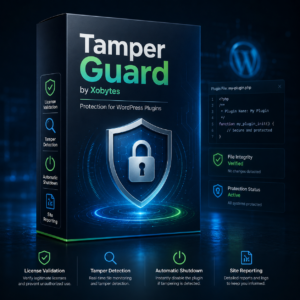
Tamper Guard by XoBytes | WordPress Plugin Tamper Detector
$25.00
Protect your commercial WordPress plugins with license-based tamper detection, file integrity monitoring, automatic shutdown protection, and site reporting.…
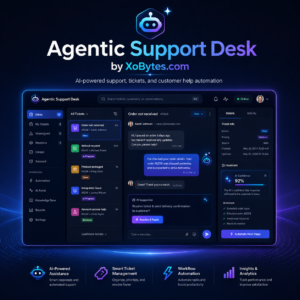
Agentic Support Desk for WordPress by XoBytes.com
$19.99
Agentic Support Desk by Xobytes is an AI-powered WordPress support desk built for software sellers, WooCommerce stores, agencies,…
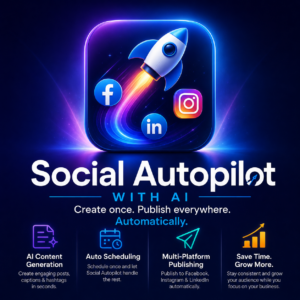
Social Media Autopilot With AI by XoBytes.com
$19.99
Xobytes Social Autopilot is a WordPress social media autoposter that helps schedule and promote posts, pages, WooCommerce products,…

Agent Shield by XoBytes | Protect against agentic software
$25.00
AgentShield is a WordPress AI Agent Firewall that helps detect, monitor, block, and temporarily ban AI crawlers, AI…
Product 1 of 6
Conclusion
In summary, the choice between custom software and off-the-shelf solutions depends on your business’s specific needs. While custom software offers tailored solutions and potential competitive advantages, off-the-shelf software provides cost-effectiveness and quick implementation. Carefully consider your requirements, budget, and long-term goals before making a decision.
Practical Examples of Custom Software vs. Off-the-Shelf Solutions
To better understand the implications of choosing between custom and off-the-shelf software, let’s explore some real-world examples:
Custom Software Example: A Healthcare Management System
A healthcare provider may require a custom software solution to manage patient records, appointments, and billing. Off-the-shelf solutions may not meet specific regulatory requirements or integrate seamlessly with existing electronic health record (EHR) systems. A tailored solution can ensure compliance with healthcare regulations while providing unique functionalities such as telemedicine features or advanced data analytics.
Continue with Choosing Between Off-the-Shelf Software and Custom Solutions for additional XoBytes guidance.
Off-the-Shelf Software Example: Project Management Tools
Many businesses use off-the-shelf project management tools like Trello or Asana. These tools come with standardized features that allow teams to manage tasks, collaborate, and track progress without the need for extensive customization. For companies with straightforward project workflows, these tools can provide immediate value without the delays associated with custom development.
Implementation Steps for Custom Software Development
If you decide to pursue custom software, following a structured implementation process is crucial. Here are the key steps involved:
- Define Objectives: Clearly outline what you want the software to achieve, including specific features and functionalities.
- Conduct Market Research: Analyze existing solutions and gather feedback from potential users to refine your requirements.
- Select a Development Partner: Choose a reputable software development company or team with experience in your industry.
- Create a Development Plan: Work with your development team to create a project timeline, budget, and milestones.
- Development and Testing: Begin the development process, ensuring regular testing and feedback loops to address issues early.
- Deployment: Launch the software, making sure to have a support plan in place for users.
- Ongoing Maintenance: Plan for regular updates and maintenance to adapt to changing business needs and technology advancements.
Decision Criteria for Choosing Between Custom and Off-the-Shelf Software
When deciding between custom and off-the-shelf software, consider the following criteria:
- Business Size and Budget: Larger organizations with specific needs might benefit more from custom solutions, while smaller businesses may find off-the-shelf options sufficient and cost-effective.
- Specific Requirements: Evaluate whether your business has unique processes that standard solutions cannot address.
- Time Constraints: Assess how quickly you need the solution. Off-the-shelf software can often be deployed immediately.
- Future Scalability: Consider whether your business is likely to grow and how the software will adapt to those changes.
- Integration Needs: Determine if the software needs to integrate with existing systems, which may be easier with custom solutions.
Conclusion: Making the Right Choice for Your Business
Ultimately, the decision between custom software and off-the-shelf solutions should be based on a thorough assessment of your business’s unique needs, budget constraints, and long-term goals. By carefully weighing the advantages and disadvantages of each option, you can make a more informed choice that aligns with your operational strategy.
Frequently Asked Questions
Below are some common questions regarding custom and off-the-shelf software:
- What are the main differences between proprietary and off-the-shelf software? Proprietary software is custom-developed or owned by a company, offering tailored features and control, while off-the-shelf software is ready-made, standardized, and designed for general use.
- When should a business choose custom proprietary software over off-the-shelf solutions? A business should consider custom proprietary software when unique workflows, specialized features, or competitive advantages are needed that cannot be met by standard solutions.
- What are the typical cost differences between proprietary and off-the-shelf software? Off-the-shelf software generally has lower upfront costs but may incur licensing or subscription fees, whereas proprietary solutions often require higher initial investment but can reduce ongoing licensing costs if tailored effectively.
- Can off-the-shelf software be customized to fit business needs? Yes, many off-the-shelf solutions offer customization options, integrations, or add-ons, but they may not fully match the specific requirements that custom software can provide.