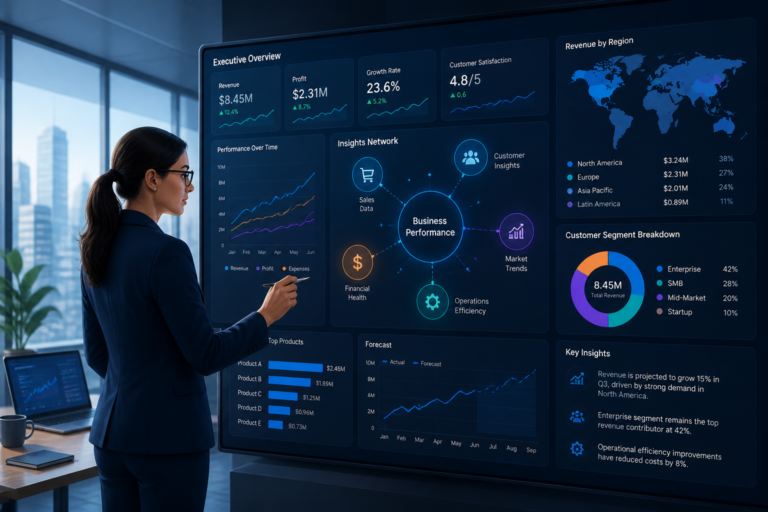
In today’s fast-paced business environment, data has become a crucial asset. However, not all data is equally effective. How tailored data powers effective business software is an essential concept that every organization should understand. By leveraging custom data, businesses can enhance their software solutions, leading to better decision-making and improved operational efficiency.
The Importance of Tailored Data
Tailored data refers to information that is customized to meet the specific needs of a business. This type of data allows organizations to gain insights that are directly relevant to their operations. Moreover, using tailored data enables businesses to unlock the full potential of their software solutions.
Benefits of Using Tailored Data
- Enhanced Decision-Making: Tailored data provides insights that are directly relevant to your business, aiding in smarter decisions.
- Improved Efficiency: Custom data helps streamline processes, reducing time spent on irrelevant information.
- Better Customer Insights: Understanding customer behavior through tailored data allows for personalized experiences.
- Competitive Advantage: Companies that utilize tailored data often outperform their competitors by making data-driven decisions.
How Tailored Data Enhances Business Software
Integrating tailored data into business software can significantly improve its effectiveness. When software solutions are designed with specific data sets in mind, they can better serve the unique needs of the business.
Examples of Effective Business Software Powered by Tailored Data
For example, a customer relationship management (CRM) system that incorporates tailored data can provide insights into customer preferences, leading to improved sales strategies. At the same time, an inventory management system that utilizes custom data can optimize stock levels based on sales trends.
Implementing Tailored Data Solutions
To effectively harness the power of tailored data, businesses should consider the following steps:
- Identify Specific Needs: Assess what data is necessary for your operations and decision-making processes.
- Choose the Right Tools: Select software solutions that allow for data customization and integration.
- Train Your Team: Ensure that your employees understand how to use tailored data effectively.
- Monitor and Adjust: Regularly review the effectiveness of your data strategies and make necessary adjustments.
Common Pitfalls in Using Tailored Data
While tailored data can greatly enhance business software, there are common pitfalls to avoid:
- Over-Reliance on Data: Businesses should not rely solely on data; human intuition and experience are also vital.
- Data Quality Issues: Ensure that the data being used is accurate and relevant.
- Ignoring User Feedback: Regularly seek input from users to improve data integration and software functionality.
Conclusion
In conclusion, understanding how tailored data powers effective business software is essential for any organization looking to improve its operations. By leveraging custom data, businesses can enhance decision-making, improve efficiency, and gain a competitive edge. Therefore, investing in tailored data solutions is a smart strategy for sustainable growth.
Frequently Asked Questions
Here are some common questions regarding tailored data and custom software:
What is custom software development and how does it benefit my business?
Custom software development involves creating tailored solutions designed to meet specific business needs, offering advantages like increased efficiency, better data integration, and competitive edge.
How does custom data improve business decision-making?
Custom data provides precise, relevant insights tailored to your operations, enabling smarter decisions, optimized processes, and targeted growth strategies.
When should a business consider investing in custom software?
Businesses should consider custom software when off-the-shelf solutions do not fully meet unique operational needs, require specific data integration, or aim for competitive advantages through tailored automation.
For more information on how custom data drives effective business software solutions, visit this page.