
Setting up an effective help desk system on your WordPress site is essential for enhancing customer support and improving overall user satisfaction. In this comprehensive guide, we will explore how to choose the right help desk plugin, set it up, and optimize it for your specific needs. By the end of this article, you will have the knowledge to implement a robust help desk system that streamlines your support processes.
Why You Need a Help Desk System
As your business grows, managing customer inquiries and support requests can become overwhelming. A help desk system provides a structured way to handle these interactions efficiently. Moreover, it helps in tracking issues, automating responses, and providing a better overall experience for your customers.
Choosing the Right Help Desk Plugin
When it comes to selecting a help desk plugin for your WordPress site, there are several factors to consider:
- Features: Look for features such as ticket management, live chat, automation options, and a knowledge base.
- Compatibility: Ensure the plugin is compatible with your existing tools and WordPress version.
- User Reviews: Check user reviews and ratings to gauge the plugin’s performance and reliability.
For example, The Ultimate Guide to Choosing Help Desk Plugins for WordPress Support provides a detailed comparison of various plugins available in the market.
Setting Up Your Help Desk System
Once you have chosen a help desk plugin, follow these steps to set it up:
- Install the Plugin: Go to your WordPress dashboard, navigate to the Plugins section, and click on ‘Add New’. Search for your chosen help desk plugin, install, and activate it.
- Configure Settings: After activation, configure the plugin settings according to your support needs. This may include setting up email notifications, ticket categories, and response templates.
- Customize the User Interface: Make sure the help desk interface is user-friendly and matches your website’s design. Customize colors, fonts, and layouts as needed.
- Test Your Setup: Before going live, test the help desk functionality to ensure everything works smoothly. Create test tickets and check notifications to see if they are functioning correctly.
To make this easier, consider using a plugin such as Agentic Support Desk for WordPress, which provides a comprehensive solution for support ticket management and customer inquiries.
Integrating Live Chat and Other Features
In addition to ticket management, integrating live chat can significantly enhance your customer support experience. Live chat allows you to assist customers in real-time, which can lead to faster resolutions and increased satisfaction. Additionally, consider these features:
- Knowledge Base: A knowledge base can help customers find answers to common questions without needing to submit a ticket.
- Automation: Automate repetitive tasks to free up your support team’s time. This includes ticket routing and automated replies for common inquiries.
- Multi-Channel Support: Ensure your help desk can handle inquiries from various channels, including email, social media, and your website.
For further insights, refer to our Comprehensive Guide to WordPress Help Desk Software for more details on features and pricing.
Monitoring and Improving Your Help Desk Performance
Once your help desk system is operational, it’s crucial to monitor its performance. Use metrics such as response time, resolution time, and customer satisfaction ratings to gauge effectiveness. Regularly review these metrics to identify areas for improvement.
As a result, you can make informed decisions about adjustments or additional features that may enhance your support system. Regular training for your support staff can also lead to improved service quality.
Implementing a Knowledge Base
A knowledge base is an invaluable addition to your help desk system. It empowers customers to find answers independently, reducing the volume of support tickets and enhancing user satisfaction. Here’s how to implement a knowledge base effectively:
Related XoBytes Products
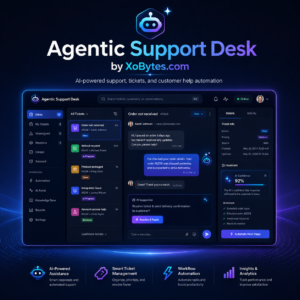
Agentic Support Desk for WordPress by XoBytes.com
$19.99
Agentic Support Desk by Xobytes is an AI-powered WordPress support desk built for software sellers, WooCommerce stores, agencies,…
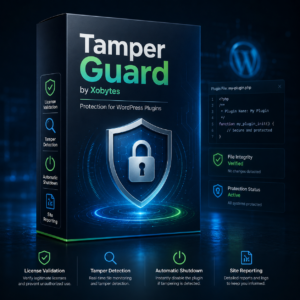
Tamper Guard by XoBytes | WordPress Plugin Tamper Detector
$25.00
Protect your commercial WordPress plugins with license-based tamper detection, file integrity monitoring, automatic shutdown protection, and site reporting.…

Agentic Consultant, Product Rep, & Customer Service Agent By XoBytes.com
$19.99
Agentic Consultant for WordPress gives your website a smart AI product rep, customer service agent, and hands-free voice…

Plugin Update Server for WordPress by XoBytes.com
$25.00
Plugin Update Server by XoBytes lets WordPress plugin sellers deliver private plugin updates directly to customer dashboards. Upload…
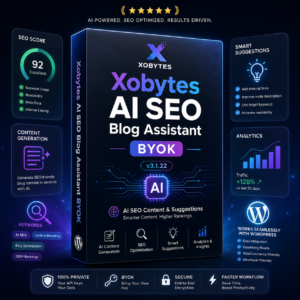
AI SEO Data & Automatic Blog Writer for WordPress by XoBytes
$19.99
Turn your WordPress site, Google Search Console data, and SEO opportunities into smarter blog posts, pages, titles, meta…

Agentic Construction Theme | More than just a theme | Built for all trades
$49.99
Why You Need This Theme And Plugin! Click here for the Demo Agentic Construction Theme by XoBytes is…
Product 1 of 6
- Choose the Right Format: Decide whether your knowledge base will be text-based articles, video tutorials, or a combination of both. Text articles are great for detailed explanations, while videos can help with complex procedures.
- Organize Content Logically: Structure your knowledge base with categories and subcategories. For example, if you run an e-commerce site, you might have sections for order issues, account management, and product inquiries.
- Include a Search Function: Ensure that your knowledge base has a robust search feature that allows users to find information quickly. This can significantly improve the user experience.
- Regularly Update Content: Keep your knowledge base current by regularly reviewing and updating articles. This ensures that users receive the most accurate and relevant information.
Using Automation to Enhance Efficiency
Automation can drastically improve the efficiency of your help desk system. Here are some practical ways to implement automation:
- Automated Ticket Routing: Set up rules to automatically route tickets to the appropriate support agents based on categories or keywords. This ensures that inquiries are handled by the most qualified personnel.
- Predefined Responses: Create a library of predefined responses for common inquiries. This allows support agents to respond quickly and maintain consistency in communication.
- Follow-Up Reminders: Automate follow-up reminders for unresolved tickets. This helps ensure that no customer inquiry falls through the cracks.
Integrating Customer Feedback Mechanisms
Collecting customer feedback is crucial for improving your help desk system. Here’s how to effectively integrate feedback mechanisms:
Continue with How to Choose the Right Helpdesk Ticket Plugin for Your WordPress Support System for additional XoBytes guidance.
- Post-Interaction Surveys: Send automated surveys after ticket resolution to gather insights on customer satisfaction. Keep the surveys short and focused on key aspects of their experience.
- Feedback Forms: Provide a feedback form on your knowledge base and help desk interface, allowing customers to suggest improvements or report issues.
- Analyze Feedback Regularly: Regularly review customer feedback to identify trends and areas for improvement. Use this data to make informed adjustments to your help desk processes.
Training Your Support Team
Even the best help desk system can falter without a well-trained support team. Consider the following strategies for effective training:
- Regular Training Sessions: Schedule ongoing training sessions to keep your team updated on new features, tools, and best practices.
- Role-Playing Scenarios: Conduct role-playing exercises to prepare your team for various customer interactions. This helps build confidence and improve communication skills.
- Encourage Peer Learning: Foster an environment where team members can share tips and strategies. This can lead to collective growth and improved support quality.
Evaluating Help Desk Performance
To ensure your help desk system is functioning optimally, regularly evaluate its performance using the following metrics:
- First Response Time: Measure how quickly your team responds to new tickets. A shorter response time typically correlates with higher customer satisfaction.
- Resolution Time: Track how long it takes to resolve tickets. Identify patterns in longer resolution times to address underlying issues.
- Customer Satisfaction Score (CSAT): Use post-interaction surveys to calculate your CSAT score, helping you gauge overall customer satisfaction.
By implementing these strategies, you can create a more effective help desk system that not only meets but exceeds customer expectations.
Frequently Asked Questions
Below are some common questions regarding help desk systems for WordPress:
- What are the key features to look for in a WordPress help desk plugin? Important features include ticket management, live chat integration, automation capabilities, knowledge base support, and multi-channel support options.
- How do I choose the right help desk plugin for my WordPress site? Consider your support needs, compatibility with existing tools, ease of setup, automation features, and user reviews. Testing demo versions can also help in decision-making.
- Can I integrate AI support tools with my WordPress help desk? Yes, some plugins like Agentic Support Desk offer AI-powered support automation, chatbots, and ticket routing to enhance customer service efficiency.
In conclusion, setting up an effective help desk system on your WordPress site involves careful planning, choosing the right tools, and ongoing monitoring. By following the steps outlined in this guide, you can create a support system that meets your customers’ needs and enhances your business operations.