
In today’s fast-paced business environment, off-the-shelf software has become a vital tool for organizations across various industries. These ready-made solutions offer a range of functionalities that can streamline operations, enhance productivity, and reduce costs. In this article, we will explore practical examples of off-the-shelf software in different industries, highlighting their benefits and use cases.
What is Off-the-Shelf Software?
Off-the-shelf software refers to pre-packaged solutions that are readily available for purchase and use. Unlike custom software, which is tailored to meet specific business needs, off-the-shelf software is designed for general use. This means it can be quickly deployed, allowing businesses to start benefiting from its features almost immediately.
Moreover, off-the-shelf software typically comes at a lower initial cost compared to custom solutions. As a result, it is an attractive option for small and medium-sized businesses looking to improve their operations without significant investment.
Key Benefits of Off-the-Shelf Software
- Cost-Effectiveness: Off-the-shelf software is usually more affordable than custom solutions since development costs are spread across many users.
- Quick Implementation: Businesses can implement these solutions rapidly, allowing them to start using the software without lengthy development timelines.
- Regular Updates: Most off-the-shelf software providers offer regular updates, ensuring that users have access to the latest features and security enhancements.
- User Community: Popular off-the-shelf solutions often have large user communities, providing access to forums, tutorials, and shared experiences.
Practical Examples of Off-the-Shelf Software in Different Industries
To make this easier, let’s explore some practical examples of off-the-shelf software across various sectors:
1. Healthcare
In the healthcare industry, software solutions like Epic Systems and Cerner are widely used for electronic health records (EHR). These systems streamline patient management, enhance data accessibility, and improve communication among healthcare providers. Furthermore, off-the-shelf solutions can help healthcare facilities comply with regulatory requirements efficiently.
For useful background on this topic, see Top Real-World Examples of Off-the-Shelf Software for Business Efficiency.
2. Retail
Retail businesses often rely on off-the-shelf software such as Shopify and Square. These platforms provide comprehensive tools for managing online stores, processing payments, and tracking inventory. Because of this, retailers can focus on customer engagement rather than software management.
3. Finance
In finance, tools like QuickBooks and Sage are commonly used for accounting and financial management. These off-the-shelf solutions offer features for invoicing, expense tracking, and financial reporting, making it easier for businesses to manage their finances without extensive accounting knowledge.
4. Education
Educational institutions utilize off-the-shelf software such as Moodle and Blackboard for learning management systems (LMS). These platforms facilitate online course delivery, student assessments, and communication between educators and students. As a result, they enhance the learning experience and streamline administrative tasks.
5. Marketing
In the marketing sector, tools like HubSpot and Mailchimp are popular for managing customer relationships and email campaigns. These off-the-shelf solutions provide features for lead generation, campaign management, and analytics, enabling marketers to execute their strategies effectively.
Additionally, businesses can leverage off-the-shelf project management tools such as Trello and Asana to enhance team collaboration and productivity. These platforms offer features for task assignment, progress tracking, and deadline management, making it easier for teams to stay organized.
Choosing the Right Off-the-Shelf Software
When selecting off-the-shelf software, businesses should consider several factors to ensure they choose the right solution:
For a practical companion to this section, explore Common Off-the-Shelf Software Solutions and Their Use Cases.
- Identify Needs: Assess the specific needs of your business and the challenges you aim to address with the software.
- Evaluate Features: Compare the features of different software options to find the one that best aligns with your requirements.
- Check Compatibility: Ensure that the software is compatible with your existing systems and processes.
- Read Reviews: Look for user reviews and case studies to understand the experiences of others with the software.
By following these guidelines, businesses can make informed decisions and select off-the-shelf software that enhances their operations.
Related XoBytes Products
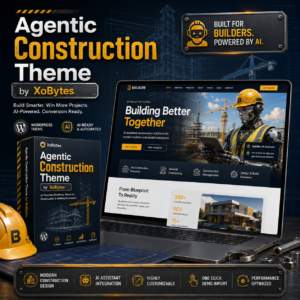
Agentic Construction Theme | More than just a theme | Built for all trades
$49.99
Why You Need This Theme And Plugin! Click here for the Demo Agentic Construction Theme by XoBytes is…

Agentic Consultant, Product Rep, & Customer Service Agent By XoBytes.com
$19.99
Agentic Consultant for WordPress gives your website a smart AI product rep, customer service agent, and hands-free voice…
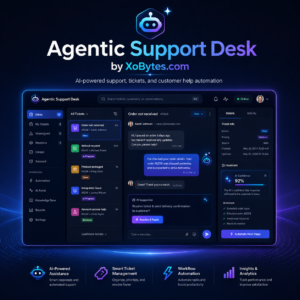
Agentic Support Desk for WordPress by XoBytes.com
$19.99
Agentic Support Desk by Xobytes is an AI-powered WordPress support desk built for software sellers, WooCommerce stores, agencies,…

Agent Shield by XoBytes | Protect against agentic software
$25.00
AgentShield is a WordPress AI Agent Firewall that helps detect, monitor, block, and temporarily ban AI crawlers, AI…
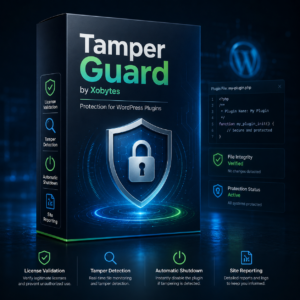
Tamper Guard by XoBytes | WordPress Plugin Tamper Detector
$25.00
Protect your commercial WordPress plugins with license-based tamper detection, file integrity monitoring, automatic shutdown protection, and site reporting.…

Plugin Update Server for WordPress by XoBytes.com
$25.00
Plugin Update Server by XoBytes lets WordPress plugin sellers deliver private plugin updates directly to customer dashboards. Upload…
Product 1 of 6
Conclusion
Off-the-shelf software offers a range of practical solutions for businesses across various industries. By understanding the benefits and use cases of these ready-made solutions, organizations can enhance their efficiency and productivity. Whether in healthcare, retail, finance, education, or marketing, off-the-shelf software can provide the tools necessary for success.
Comparative Analysis of Off-the-Shelf Software vs. Custom Software
When considering software solutions, businesses often weigh the pros and cons of off-the-shelf software against custom software. Here’s a comparative analysis to help you understand the differences:
- Cost: Off-the-shelf software typically has a lower upfront cost due to shared development expenses, while custom software can require a significant investment for development and maintenance.
- Time to Implement: Off-the-shelf solutions can be deployed quickly, often within days, whereas custom software may take months or even years to develop and implement.
- Scalability: Custom software can be designed to grow with your business needs, while off-the-shelf software may have limitations in scalability.
- Flexibility: Custom solutions offer greater flexibility in terms of features and functionality tailored to specific business needs, while off-the-shelf software may not meet every unique requirement.
Implementation Steps for Off-the-Shelf Software
Implementing off-the-shelf software can be a straightforward process, but it still requires careful planning. Here are key steps to ensure a successful implementation:
- Define Objectives: Clearly outline the goals you aim to achieve with the new software.
- Research Options: Investigate various off-the-shelf solutions that fit your defined objectives and budget.
- Trial and Evaluation: Many software vendors offer free trials. Use this opportunity to evaluate the software’s functionality and user interface.
- Training and Support: Ensure that your team receives adequate training on the new software and that support resources are available for troubleshooting.
- Monitor and Optimize: After implementation, continuously monitor the software’s performance and gather user feedback to optimize its use.
Industry-Specific Considerations
Different industries may have unique considerations when selecting off-the-shelf software. Here are some examples:
Manufacturing
Manufacturing companies often require software for inventory management and production tracking. Solutions like Fishbowl and NetSuite offer specialized features for managing supply chains and production schedules.
Continue with Understanding Off-the-Shelf Software: Key Benefits and Use Cases for additional XoBytes guidance.
Construction
In the construction industry, project management software such as Procore and Buildertrend provides tools for project scheduling, budgeting, and collaboration among teams, helping to streamline operations.
Hospitality
For the hospitality sector, off-the-shelf software like Hotelogix and Cloudbeds offers property management systems that help hotels manage bookings, guest relations, and billing processes efficiently.
Future Trends in Off-the-Shelf Software
As technology continues to evolve, off-the-shelf software is likely to adapt in several ways:
- Increased Integration: Future solutions may offer better integration capabilities with existing systems, allowing for seamless data flow across platforms.
- AI and Automation: More off-the-shelf software will likely incorporate artificial intelligence and automation features, enhancing functionality and user experience.
- Cloud-Based Solutions: The shift towards cloud computing will continue, allowing businesses to access software from anywhere and reducing the need for extensive IT infrastructure.
Decision Criteria for Selecting Off-the-Shelf Software
When choosing the right off-the-shelf software, consider the following criteria:
- Usability: The software should be user-friendly and intuitive to minimize training time.
- Vendor Reputation: Research the vendor’s reputation, customer support, and track record in your industry.
- Compliance: Ensure that the software complies with industry regulations and standards relevant to your business.
- Customization Options: Evaluate the extent to which the software can be customized to better fit your business processes.
Frequently Asked Questions
Here are some common questions about off-the-shelf software:
- What are some common examples of off-the-shelf software? Common examples include Microsoft Office, QuickBooks, Salesforce, Shopify, and Slack, which are widely used across different business sectors.
- How do off-the-shelf software solutions benefit small businesses? They offer quick deployment, lower initial costs, and ease of use, enabling small businesses to improve productivity without extensive customization.
- Can off-the-shelf software be customized for specific business needs? While generally designed for broad use, many off-the-shelf solutions offer limited customization options to better fit specific workflows.
To discover more about off-the-shelf software and how it can benefit your business, check out our comprehensive guide.