
In today’s fast-paced digital world, providing exceptional customer support is crucial for any business. Therefore, optimizing your support system is essential. One effective way to achieve this is by using help desk applications plugins for WordPress. These plugins can streamline your support operations, enhance customer satisfaction, and improve response times. In this article, we will explore the top help desk applications plugins for WordPress customer support in 2026.
Why Use Help Desk Plugins?
Help desk plugins are designed to simplify and automate customer support tasks. They allow businesses to manage inquiries, track tickets, and provide a seamless customer experience. Furthermore, they can integrate with existing tools and platforms, making them a versatile choice for many organizations.
Key Features to Consider
When selecting a help desk plugin for your WordPress site, consider the following key features:
- Ticket Management: Efficiently organize and track customer inquiries.
- Multi-Channel Support: Handle inquiries from various channels like email, chat, and social media.
- Automation Capabilities: Automate repetitive tasks to save time and increase efficiency.
- Knowledge Base Integration: Provide customers with self-service options through a knowledge base.
- User-Friendly Interfaces: Ensure ease of use for both support agents and customers.
Top Help Desk Applications Plugins for WordPress in 2026
To make this easier, here are some of the best help desk applications plugins for WordPress customer support:
1. Agentic Support Desk
Agentic Support Desk is an AI-powered help desk plugin designed specifically for WordPress. It offers features such as automated ticket management, multi-channel support, and seamless integration with WooCommerce. This plugin is ideal for businesses looking to enhance their customer support efficiency.
2. WP Support Plus
WP Support Plus is another excellent choice for WordPress users. It provides a comprehensive ticket management system and allows for customization to fit specific business needs. Additionally, it supports multiple languages, making it suitable for international businesses.
3. Zendesk for WordPress
For those already using Zendesk, the Zendesk for WordPress plugin offers seamless integration. It allows users to manage support tickets directly from their WordPress dashboard, enhancing workflow efficiency.
4. Help Scout
Help Scout provides a user-friendly help desk solution that integrates directly with WordPress. It offers features such as email management, live chat support, and a knowledge base, making it a comprehensive tool for customer support.
5. Awesome Support
Awesome Support is a powerful help desk plugin that provides advanced ticket management features. It includes custom fields, email notifications, and multi-channel support, making it an excellent option for businesses of all sizes.
To further enhance your customer support capabilities, consider checking out our guide on optimizing customer support with WordPress help desk plugins.
How to Choose the Right Help Desk Plugin
Choosing the right help desk plugin involves analyzing your current support workflows and identifying pain points that could benefit from automation or better ticket management. Here are some tips to guide you:
- Assess Your Needs: Consider the specific features your business requires.
- Read Reviews: Research user reviews and testimonials to gauge plugin performance.
- Trial and Demo: Implement a trial or demo to evaluate the plugin’s ease of integration and automation capabilities.
Furthermore, keep your existing support pages updated with targeted content emphasizing plugin benefits and include internal links to related guides.
Implementing Help Desk Plugins: A Step-by-Step Guide
Once you have selected a help desk plugin for your WordPress site, the next step is to implement it effectively. Here’s a step-by-step guide to help you get started:
Continue with Top WordPress Help Desk Plugins to Improve Customer Support Workflow for additional XoBytes guidance.
- Backup Your Website: Before making any changes, ensure that you have a complete backup of your WordPress site. This will allow you to restore it in case anything goes wrong during the installation process.
- Install the Plugin: Go to your WordPress dashboard, navigate to Plugins, and click on Add New. Search for your chosen help desk plugin, click Install Now, and then Activate.
- Configure Settings: After activation, find the plugin settings in your dashboard. Configure the settings according to your business needs, including ticket priorities, notification settings, and user roles.
- Customize the User Interface: Many plugins allow you to customize the appearance of the help desk interface. Adjust colors, logos, and layouts to match your brand identity.
- Integrate with Other Tools: If you use other tools like CRM systems or email marketing platforms, explore integration options to streamline your workflow.
- Test the System: Before going live, conduct a series of tests to ensure that the ticketing system works as expected. Create test tickets and check notifications to verify that everything functions correctly.
- Train Your Team: Provide training for your support team on how to use the new help desk system effectively. Familiarize them with the features and best practices for handling customer inquiries.
- Go Live: Once everything is set up and tested, you can officially launch your help desk system. Monitor its performance closely during the initial weeks to address any issues promptly.
Related XoBytes Products
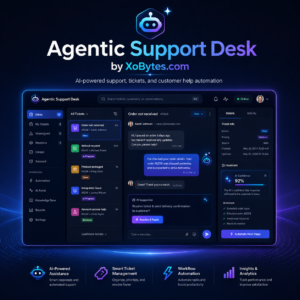
Agentic Support Desk for WordPress by XoBytes.com
$19.99
Agentic Support Desk by Xobytes is an AI-powered WordPress support desk built for software sellers, WooCommerce stores, agencies,…
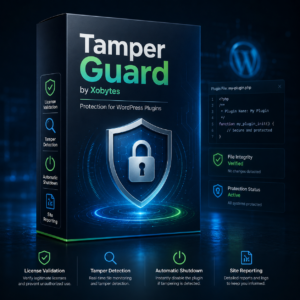
Tamper Guard by XoBytes | WordPress Plugin Tamper Detector
$25.00
Protect your commercial WordPress plugins with license-based tamper detection, file integrity monitoring, automatic shutdown protection, and site reporting.…

Plugin Update Server for WordPress by XoBytes.com
$25.00
Plugin Update Server by XoBytes lets WordPress plugin sellers deliver private plugin updates directly to customer dashboards. Upload…

Agentic Consultant, Product Rep, & Customer Service Agent By XoBytes.com
$19.99
Agentic Consultant for WordPress gives your website a smart AI product rep, customer service agent, and hands-free voice…
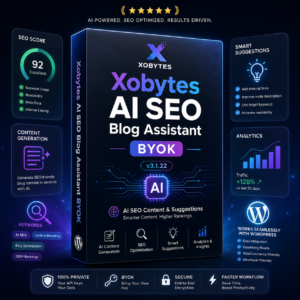
AI SEO Data & Automatic Blog Writer for WordPress by XoBytes
$19.99
Turn your WordPress site, Google Search Console data, and SEO opportunities into smarter blog posts, pages, titles, meta…

Social Media Autopilot With AI by XoBytes.com
$19.99
Xobytes Social Autopilot is a WordPress social media autoposter that helps schedule and promote posts, pages, WooCommerce products,…
Product 1 of 6
Comparing Help Desk Plugins: Key Considerations
When it comes to selecting a help desk plugin, it’s important to compare different options based on several key considerations. Here are some factors to keep in mind:
- Pricing: Evaluate the pricing structure of each plugin, including any hidden fees for additional features or support. Consider your budget and the return on investment (ROI) you expect from the plugin.
- Scalability: Choose a plugin that can grow with your business. If you anticipate an increase in support requests, ensure the plugin can handle a larger volume of tickets without compromising performance.
- Support and Documentation: Look for plugins that offer robust customer support and comprehensive documentation. This will be invaluable if you encounter issues or need assistance with setup.
- Customization Options: Consider how much customization you need. Some plugins offer extensive customization capabilities, while others may be more rigid in their design.
- Integration Capabilities: Ensure the plugin can integrate with the tools you already use, such as email services, CRM systems, and e-commerce platforms.
Real-World Use Cases of Help Desk Plugins
Understanding how other businesses utilize help desk plugins can provide valuable insights. Here are a few real-world examples:
- E-commerce Store: An online retail business implemented the Agentic Support Desk plugin to manage customer inquiries. By automating ticket assignments, they reduced response times by 50%, leading to improved customer satisfaction ratings.
- Educational Institution: A university adopted Help Scout to streamline student support. With integrated live chat and a knowledge base, they empowered students to find answers quickly, reducing the volume of direct inquiries by 30%.
- Non-Profit Organization: A non-profit used WP Support Plus to manage volunteer inquiries. The customizable ticket system allowed them to categorize requests effectively, enabling faster resolution and better volunteer engagement.
Future Trends in Help Desk Applications
The landscape of customer support continues to evolve. Here are some future trends in help desk applications that businesses should watch for:
- AI and Machine Learning: The integration of AI will enhance ticket routing and response suggestions, allowing support teams to resolve issues more efficiently.
- Omni-Channel Support: As customers engage through multiple platforms, help desk plugins will increasingly provide seamless support across channels, including social media and messaging apps.
- Enhanced Analytics: Future plugins will offer advanced analytics features, providing businesses with deeper insights into customer interactions and support team performance.
- Self-Service Options: A growing emphasis on self-service will lead to more sophisticated knowledge base features, enabling customers to find solutions without direct assistance.
Frequently Asked Questions
Here are some common questions regarding help desk plugins:
- What features should I look for in a WordPress help desk plugin? Key features include ticket management, multi-channel support, automation capabilities, knowledge base integration, and user-friendly interfaces.
- How can a help desk plugin improve customer support efficiency? It automates repetitive tasks, organizes support tickets, enables faster response times, and provides seamless communication channels, leading to better support workflow.
- Are there any recommended help desk plugins for WooCommerce stores? Yes, plugins like Agentic Support Desk are designed to support WooCommerce environments, offering integrated ticketing and automation features.
Conclusion
In conclusion, selecting the right help desk applications plugins for WordPress customer support in 2026 can significantly enhance your support efficiency and customer satisfaction. By considering the features mentioned and exploring the top plugins listed, you can make an informed decision that aligns with your business needs.
For more insights on improving customer support, check our article on boosting customer support efficiency.