In the rapidly evolving world of artificial intelligence (AI), understanding the costs associated with AI request estimations is crucial for developers and businesses alike. With the increasing reliance on AI technologies, accurately predicting these costs can significantly impact project success. To aid in this endeavor, tools like the AI SEO Data & Automatic Blog Writer for WordPress by XoBytes can help streamline the budgeting process, ensuring that you make informed decisions.
This product transforms your WordPress site, Google Search Console data, and various SEO opportunities into smarter blog posts, pages, titles, meta descriptions, and FAQs. By utilizing such tools, developers can focus more on their projects while efficiently managing costs.
Why Estimating AI Request Costs Matters
Estimating AI request costs accurately is essential for several reasons. First, it helps in budget planning, allowing businesses to allocate resources effectively. Moreover, it ensures that project timelines are realistic and achievable. Therefore, understanding the factors that influence these costs becomes paramount.
Key Factors Influencing AI Request Costs
To estimate AI request costs effectively, you must consider several key factors:
- Request Volume: The number of requests made to the API can significantly affect pricing. Higher volumes often lead to bulk pricing discounts.
- Data Complexity: More complex data requests typically require more processing power, which can increase costs.
- Token Usage: Many AI APIs charge based on token usage. Understanding how tokens are consumed is crucial for accurate estimations.
- API Provider’s Pricing Model: Different providers have varying pricing structures, which can include pay-per-use, subscription models, or tiered pricing.
How to Estimate AI Request Costs
To make accurate estimations, follow these steps:
- Analyze Your Needs: Determine the expected request volume and the complexity of the data you will be working with.
- Review Pricing Models: Investigate the pricing models of various AI API providers to find the best fit for your project.
- Use Estimation Tools: Leverage tools like the XoBytes AI cost calculator to input your parameters and receive a cost estimate.
- Adjust for Optimization: Consider ways to optimize requests, such as batching requests or reducing data size, to manage costs effectively.
Practical Tips for Budgeting AI Projects
Budgeting for AI projects can be challenging. Here are some practical tips to help:
- Set Clear Objectives: Define what you want to achieve with AI and how it fits into your overall business strategy.
- Monitor Usage: Regularly track your API usage to ensure you stay within budget and adjust your strategy as needed.
- Negotiate with Providers: Don’t hesitate to negotiate pricing with API providers, especially if you’re a high-volume user.
- Stay Informed: Keep up with trends and changes in AI pricing models to adapt your budgeting accordingly.
Tools for Estimating AI Costs
Several tools can assist in estimating AI costs effectively:
- XoBytes AI Cost Calculator: This tool helps you input your project specifics to receive tailored cost estimates.
- API Provider Dashboards: Many providers offer dashboards that display real-time usage and cost estimates.
- Spreadsheets: Create your own cost estimation spreadsheets to track and analyze costs based on your usage patterns.
Conclusion
Understanding AI request cost estimation is vital for anyone involved in AI projects. By considering key factors, utilizing estimation tools, and following practical budgeting tips, developers can manage their AI expenses effectively. Remember, tools like the AI SEO Data & Automatic Blog Writer for WordPress by XoBytes can streamline your content creation process, allowing you to focus on what really matters—building innovative AI solutions.
Real-World Examples of AI Cost Estimation
Understanding AI request cost estimation can be greatly enhanced by examining real-world scenarios. Below are a few examples that illustrate how different businesses approach AI cost estimation and management:
Example 1: E-commerce Product Recommendations
An e-commerce company implemented an AI-driven recommendation engine to enhance user experience. By analyzing historical customer data, they estimated that they would need to make approximately 100,000 API calls per month. They used the XoBytes AI cost calculator to input their expected request volume and the complexity of the data being processed. After evaluating various API providers, they opted for a subscription model that offered a bulk discount for high-volume usage, ultimately saving them 15% on their projected monthly costs.
Example 2: Customer Support Chatbots
A tech startup decided to integrate an AI chatbot for customer support. They anticipated a lower volume of requests initially, around 10,000 API calls per month, but expected this to increase as their user base grew. By negotiating with their API provider, they secured a tiered pricing plan that allowed them to scale costs effectively as their usage increased. This proactive approach to cost estimation allowed them to maintain budget control while enhancing customer service.
Comparative Analysis of API Providers
When estimating AI request costs, it’s essential to compare different API providers based on their pricing models and features. Here’s a comparative analysis of three popular AI API providers:
Related XoBytes Products
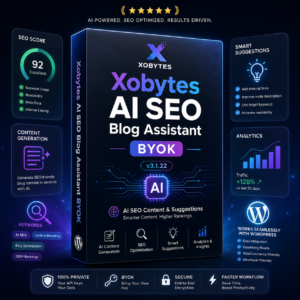
AI SEO Data & Automatic Blog Writer for WordPress by XoBytes
$19.99
Turn your WordPress site, Google Search Console data, and SEO opportunities into smarter blog posts, pages, titles, meta…

Agentic Construction Theme | More than just a theme | Built for all trades
$49.99
Why You Need This Theme And Plugin! Click here for the Demo Agentic Construction Theme by XoBytes is…
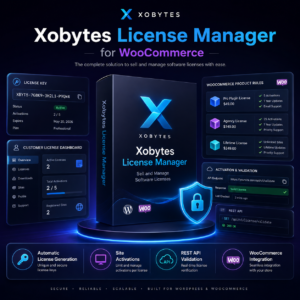
License manager for WooCommerce by XoBytes.com
$25.00
Xobytes License Manager for WooCommerce is a powerful WooCommerce license manager plugin that lets you sell software licenses,…

Plugin Update Server for WordPress by XoBytes.com
$25.00
Plugin Update Server by XoBytes lets WordPress plugin sellers deliver private plugin updates directly to customer dashboards. Upload…
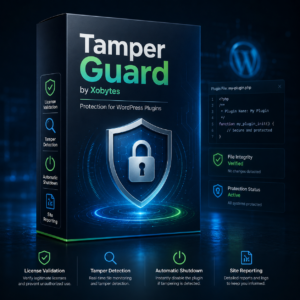
Tamper Guard by XoBytes | WordPress Plugin Tamper Detector
$25.00
Protect your commercial WordPress plugins with license-based tamper detection, file integrity monitoring, automatic shutdown protection, and site reporting.…

Upgrades, Packages & Tiers for WooCommerce By XoBytes.com
$25.00
This is a FREEMIUM plugin. Get the free version “Upgrades, Packages & Tiers for WooCommerce By XoBytes.com” Pro…
Product 1 of 6
| Provider | Pricing Model | Monthly Cost (for 50,000 requests) | Features |
|---|---|---|---|
| Provider A | Pay-per-use | $500 | High accuracy, real-time processing |
| Provider B | Subscription | $400 | Batch processing, analytics dashboard |
| Provider C | Tiered pricing | $350 | Customizable models, customer support |
By comparing these providers, businesses can make informed decisions that align with their budget and specific needs.
Implementation Steps for Effective Cost Estimation
To ensure accurate AI request cost estimation, follow these implementation steps:
- Conduct a Needs Assessment: Identify the specific AI functionalities required for your project.
- Estimate Request Volume: Forecast the number of requests based on user behavior and project scope.
- Choose the Right API Provider: Research and compare various providers to find the best pricing model.
- Utilize Cost Estimation Tools: Input your parameters into tools like the XoBytes AI cost calculator for tailored estimates.
- Implement Monitoring Systems: Set up dashboards to track usage and costs in real-time.
- Review and Adjust: Regularly revisit your estimates and adjust based on actual usage and performance.
Decision Criteria for Selecting AI APIs
When selecting an AI API, consider the following criteria to ensure you make the best choice for your needs:
For additional authoritative context, review Facebook.
- Cost Structure: Understand whether the pricing is pay-per-use, subscription, or tiered.
- Performance Metrics: Evaluate the API’s speed, accuracy, and reliability.
- Scalability: Ensure that the API can handle increased requests as your project grows.
- Support and Documentation: Check the availability of customer support and the quality of documentation.
- Integration Capabilities: Assess how easily the API can be integrated with your existing systems.
Common Pitfalls in AI Cost Estimation
While estimating AI request costs, several common pitfalls can lead to inaccurate forecasts. Being aware of these can help you avoid costly mistakes:
- Underestimating Request Volume: Failing to accurately predict the number of API calls can lead to budget overruns. Consider historical data and growth projections.
- Ignoring Hidden Costs: Additional costs such as data storage, processing, and maintenance can accumulate. Always factor in these expenses when budgeting.
- Neglecting API Changes: API providers may change their pricing models or introduce new features. Regularly review provider updates to adjust your estimates accordingly.
Advanced Cost Management Strategies
To further refine your budgeting process, consider implementing these advanced cost management strategies:
- Utilize AI for Cost Prediction: Leverage machine learning algorithms to analyze historical usage data and predict future costs more accurately.
- Implement Rate Limiting: Set limits on the number of requests to avoid unexpected spikes in usage and costs.
- Conduct Regular Reviews: Schedule periodic reviews of your API usage and costs, adjusting your budget and strategies as necessary.
Case Study: Cost Estimation in Action
To illustrate effective AI request cost estimation, let’s examine a case study of a healthcare application:
Continue with Understanding AI Cost Estimation: Tools and Tips for Budgeting AI Projects for additional XoBytes guidance.
A healthcare startup aimed to integrate an AI model for patient diagnostics. They anticipated high request volumes due to the nature of their service, estimating around 200,000 API calls per month. To manage costs:
- They conducted a thorough needs assessment to understand the required functionalities.
- They compared multiple API providers, focusing on those offering bulk pricing and advanced analytics features.
- They utilized the XoBytes AI cost calculator to simulate different scenarios based on varying request volumes and complexities.
Ultimately, they chose a provider with a tiered pricing model that allowed them to scale efficiently as their user base grew, demonstrating the importance of proactive cost management.
Decision Criteria for Budget-Friendly API Selection
When selecting an AI API, it’s crucial to consider criteria that align with budgetary constraints:
- Pricing Transparency: Ensure that the provider offers clear pricing structures without hidden fees.
- Flexible Contracts: Look for providers that offer flexible terms, allowing you to adjust your plan as your needs change.
- Performance Guarantees: Evaluate whether the provider offers performance guarantees to ensure reliability and minimize unexpected costs.
By focusing on these criteria, businesses can make informed decisions that not only meet their technical needs but also align with budgetary goals.
Frequently Asked Questions
Below are some common questions related to AI request cost estimation:
- What factors influence the cost of AI API requests? AI API request costs depend on factors such as request volume, data complexity, token usage, and the specific API provider’s pricing model.
- How can I estimate my AI request expenses before implementation? Use tools like the XoBytes AI cost calculator, review API provider pricing details, and analyze your expected request volume and data needs to estimate costs accurately.
- Are there ways to optimize AI request costs? Yes, optimizing request frequency, reducing data size, and choosing cost-effective API plans can help manage and lower expenses.
- How does request complexity affect AI API pricing? More complex requests that require higher token usage or processing power generally increase the cost per request.