
In today’s fast-paced business environment, many organizations grapple with the decision of whether to invest in custom software development. This article will explore how to determine when your business needs custom software development, identifying key indicators, benefits, and practical steps to guide your decision-making process.
Custom software development offers tailored solutions that can significantly enhance operational efficiency and drive business growth. However, understanding when to invest in these solutions is crucial for maximizing returns and ensuring alignment with your organization’s unique requirements.
Understanding Custom Software Development
Custom software development refers to the process of designing, creating, and maintaining software applications tailored specifically to meet the needs of a business. Unlike off-the-shelf software, which may not fully address the unique challenges faced by an organization, custom solutions provide flexibility and scalability.
To delve deeper into this topic, check out our post on Understanding Custom Software Development: When and Why Your Business Needs It.
Key Indicators Your Business Needs Custom Software
Identifying the right time to invest in custom software can be challenging. However, several key indicators can help you make this decision:
- Inefficient Manual Processes: If your team spends excessive time on manual tasks, it may be time to consider automation through custom software.
- Lack of Integration: When existing systems do not communicate effectively, custom software can bridge the gaps.
- Scalability Challenges: If your current solutions cannot scale with your business growth, custom software may provide the necessary flexibility.
- Unique Business Requirements: When your business has specific needs that off-the-shelf solutions do not address, custom software can be tailored to fit.
- Recurring Operational Bottlenecks: If you frequently encounter the same issues, custom software can help eliminate these problems.
Benefits of Custom Software Development
Investing in custom software can yield numerous benefits, including:
- Tailored Functionality: Custom software is designed with your specific business processes in mind, ensuring that it meets your unique needs.
- Improved Efficiency: By automating tasks and streamlining processes, custom software can enhance overall productivity.
- Better Scalability: As your business grows, custom software can be adjusted to accommodate new requirements and increased workloads.
- Competitive Edge: Custom solutions can provide features that differentiate your business from competitors, improving your market position.
Evaluating Your Needs
Before deciding to develop custom software, consider the following factors:
For a practical companion to this section, explore Understanding Custom Software Development: When and Why Your Business Needs It.
- Budget: Assess how much you can allocate to software development without straining your resources.
- Project Scope: Clearly define what you want the software to achieve and the features it should include.
- Long-term Goals: Consider how custom software aligns with your business’s future vision and objectives.
- Integration Needs: Determine whether the custom software will need to integrate with existing systems.
- Available Expertise: Ensure you have the necessary technical skills and resources to oversee the development process.
- Potential ROI: Evaluate the expected return on investment from the custom solution.
Common Pitfalls to Avoid
When considering custom software development, be aware of these common pitfalls:
- Ignoring Signs of Inefficiency: Failing to recognize ongoing operational challenges can lead to missed opportunities.
- Underestimating Costs: Custom development can be more expensive than anticipated, so thorough budgeting is essential.
- Not Involving Key Stakeholders: Engaging relevant team members ensures that the software meets everyone’s needs.
- Choosing the Wrong Development Partner: Make sure to select a vendor that understands your requirements and can deliver on your vision.
- Overlooking Future Scalability: Consider how the software will adapt as your business evolves.
To make this process easier, gather input from stakeholders, analyze current operational bottlenecks, and assess whether existing tools meet your scalability and customization needs.
Related XoBytes Products

Agentic Consultant, Product Rep, & Customer Service Agent By XoBytes.com
$19.99
Agentic Consultant for WordPress gives your website a smart AI product rep, customer service agent, and hands-free voice…
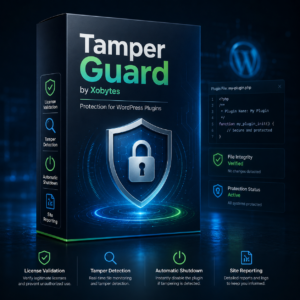
Tamper Guard by XoBytes | WordPress Plugin Tamper Detector
$25.00
Protect your commercial WordPress plugins with license-based tamper detection, file integrity monitoring, automatic shutdown protection, and site reporting.…

Agentic Construction Theme | More than just a theme | Built for all trades
$49.99
Why You Need This Theme And Plugin! Click here for the Demo Agentic Construction Theme by XoBytes is…
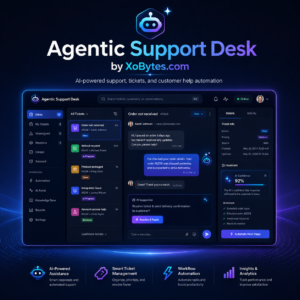
Agentic Support Desk for WordPress by XoBytes.com
$19.99
Agentic Support Desk by Xobytes is an AI-powered WordPress support desk built for software sellers, WooCommerce stores, agencies,…
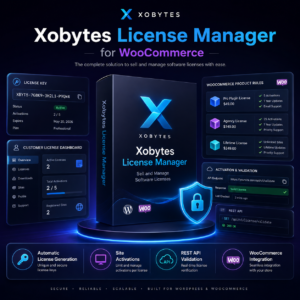
License manager for WooCommerce by XoBytes.com
$25.00
Xobytes License Manager for WooCommerce is a powerful WooCommerce license manager plugin that lets you sell software licenses,…
Product 1 of 6
Conclusion
Determining when your business needs custom software development is a critical decision that can significantly impact efficiency and growth. By recognizing the signs, understanding the benefits, and evaluating your specific needs, you can make informed choices that align with your business objectives.
Practical Examples of Custom Software Development
To better understand the impact of custom software development, consider the following practical examples across various industries:
Continue with Why Your Business Needs Custom Data-Driven Software for additional XoBytes guidance.
- Healthcare: A medical practice may develop a custom patient management system that integrates appointment scheduling, billing, and electronic health records, enhancing patient care and administrative efficiency.
- Retail: An e-commerce business might create a tailored inventory management system that syncs with their online store, allowing real-time stock updates and reducing overstock issues.
- Manufacturing: A manufacturing company could implement custom software that monitors production processes, tracks machinery performance, and predicts maintenance needs, ultimately reducing downtime.
Steps to Implement Custom Software Development
Once you’ve determined that your business needs custom software, follow these steps to ensure a successful implementation:
- Define Objectives: Clearly outline the goals you want to achieve with the custom software, such as improving efficiency or enhancing customer experience.
- Research and Select a Development Partner: Look for a software development company with a proven track record in your industry. Review their portfolio and client testimonials to gauge their expertise.
- Develop a Detailed Project Plan: Collaborate with your development partner to create a comprehensive project plan that includes timelines, milestones, and deliverables.
- Prototype and Feedback: Start with a prototype to gather feedback from key stakeholders. This step allows you to make necessary adjustments before full-scale development.
- Testing: Conduct thorough testing to identify and fix any bugs or issues. This should include user acceptance testing to ensure the software meets user expectations.
- Launch and Train: Once testing is complete, launch the software and provide training for your team to ensure they understand how to use it effectively.
- Monitor and Optimize: After implementation, continuously monitor the software’s performance and gather user feedback to identify areas for improvement and optimization.
Decision Criteria for Custom Software Development
When considering custom software development, it’s essential to establish clear criteria to guide your decision-making process. Here are some key factors to consider:
- Business Impact: Evaluate how custom software will impact your overall business performance, including efficiency gains, cost savings, and revenue growth.
- User Experience: Consider how the software will improve the user experience for both employees and customers. A user-friendly interface can lead to higher adoption rates.
- Compliance and Security: Assess whether the custom software will help you meet industry regulations and enhance data security, which is crucial in sectors like finance and healthcare.
- Future-Proofing: Determine if the software can be easily updated or modified to adapt to future business needs or technological advancements.
Comparing Custom Software Development with Off-the-Shelf Solutions
Understanding the differences between custom software development and off-the-shelf solutions can help clarify your needs:
| Criteria | Custom Software | Off-the-Shelf Software |
|---|---|---|
| Customization | Highly customizable to specific business needs | Limited customization options |
| Cost | Higher initial investment but potential for long-term savings | Lower upfront cost but may incur additional fees for upgrades |
| Scalability | Designed to grow with your business | May not scale effectively with business growth |
| Support | Dedicated support from the development team | General support, which may not address specific issues |
Frequently Asked Questions
Here are some common questions regarding custom software development:
What are the main signs that suggest my business needs custom software?
Indicators include inefficient manual processes, lack of integration between systems, scalability challenges, unique business requirements, and recurring operational bottlenecks.
How does custom software benefit small and medium-sized businesses?
Custom software provides tailored functionality, improved efficiency, better scalability, and a competitive edge by aligning precisely with your business needs.
When is the right time to start developing custom software?
It’s ideal to consider custom development when off-the-shelf solutions no longer meet your needs, operational inefficiencies persist, or growth demands require tailored automation.
What factors should I evaluate before deciding on custom software development?
Consider your budget, project scope, long-term goals, integration needs, available expertise, and the potential ROI of a tailored solution.
By following these guidelines, you can effectively navigate the complexities of custom software development and make decisions that propel your business forward.