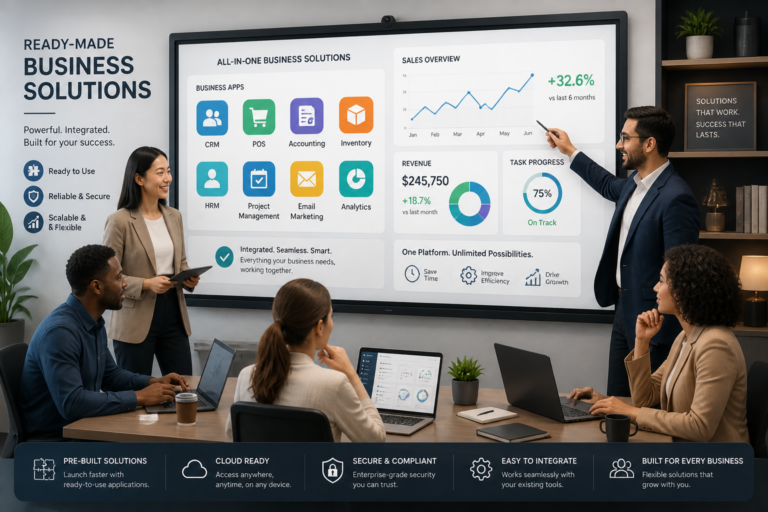
In today’s fast-paced business environment, organizations face numerous challenges when selecting the right software solutions. Among the popular options available is off-the-shelf software, which offers a range of features and benefits. This guide delves into the essential aspects of off-the-shelf software, including its features, advantages, and critical decision factors that businesses should consider.
What Is Off-the-Shelf Software?
Off-the-shelf software refers to ready-made applications designed for general use. These applications are available for purchase and deployment without the need for customization. Common examples include productivity tools, accounting software, and customer relationship management (CRM) systems. Because of their standardization, businesses can quickly implement these solutions to meet their operational needs.
Key Features of Off-the-Shelf Software
Understanding the features of off-the-shelf software can help businesses make informed decisions. Here are some key features:
- Pre-built Functionality: Off-the-shelf software comes with predefined features that cater to common business needs.
- Ease of Installation: These applications are designed for quick installation, allowing businesses to start using them almost immediately.
- Regular Updates: Vendors typically provide regular updates and support, ensuring the software remains current and secure.
- Scalability: Many off-the-shelf solutions can scale with the growth of a business, accommodating increased user loads or additional features.
- Cost-Effectiveness: Generally, off-the-shelf software is less expensive than custom solutions, making it an attractive option for many businesses.
Advantages of Off-the-Shelf Software
Choosing off-the-shelf software comes with several advantages that can significantly benefit businesses. Here are some of the primary benefits:
For useful background on this topic, see Understanding Off-the-Shelf Software: Benefits and Limitations.
- Cost Savings: Off-the-shelf solutions are usually more affordable than custom-built software, which requires extensive development and testing.
- Quick Deployment: Since these solutions are ready-made, businesses can implement them quickly, reducing downtime and enhancing productivity.
- Wide Availability: Off-the-shelf software is readily available through various vendors, providing businesses with numerous options to choose from.
- Community Support: Popular off-the-shelf applications often have active user communities, offering forums and resources for troubleshooting and best practices.
- Proven Reliability: Many off-the-shelf solutions have been tested and used by other businesses, providing a level of reliability and trustworthiness.
Decision Factors for Choosing Off-the-Shelf Software
When considering off-the-shelf software, businesses should evaluate several factors to ensure they make the right choice. Here are some critical decision factors:
- Business Needs: Assess whether the software meets the core requirements of your business operations.
- Budget: Determine if the cost of the off-the-shelf software fits within your budget constraints.
- Integration Capabilities: Ensure the software can integrate with existing systems and tools used by your business.
- Support and Maintenance: Investigate the level of customer support and maintenance provided by the vendor.
- Customization Options: While off-the-shelf software is generally standardized, some may offer limited customization to better fit specific needs.
To further explore how off-the-shelf software compares to custom solutions, check out our post on choosing between off-the-shelf software and custom solutions.
Limitations of Off-the-Shelf Software
While off-the-shelf software has numerous advantages, it also comes with limitations that businesses should consider:
- Lack of Customization: Off-the-shelf solutions may not fully meet the unique needs of every business, leading to compromises.
- Potential for Unused Features: Businesses may pay for features they do not need or use, resulting in wasted resources.
- Vendor Lock-In: Relying on a single vendor may limit options for future upgrades or changes.
- Integration Challenges: Some off-the-shelf solutions may not integrate seamlessly with existing software, leading to compatibility issues.
Real-Life Examples of Off-the-Shelf Software
To illustrate the practical applications of off-the-shelf software, consider the following examples:
- Microsoft Office: A widely used suite of productivity tools that includes Word, Excel, and PowerPoint, suitable for businesses of all sizes.
- Salesforce: A popular CRM platform that helps businesses manage customer relationships effectively.
- QuickBooks: An accounting software designed for small to medium-sized businesses, providing essential financial management tools.
For more insights on off-the-shelf software, you can read our comprehensive guide on off-the-shelf software features, benefits, and limitations.
Related XoBytes Products

Agentic Consultant, Product Rep, & Customer Service Agent By XoBytes.com
$19.99
Agentic Consultant for WordPress gives your website a smart AI product rep, customer service agent, and hands-free voice…

Agentic Construction Theme | More than just a theme | Built for all trades
$49.99
Why You Need This Theme And Plugin! Click here for the Demo Agentic Construction Theme by XoBytes is…
Agentic Support Desk for WordPress by XoBytes.com
$19.99
Agentic Support Desk by Xobytes is an AI-powered WordPress support desk built for software sellers, WooCommerce stores, agencies,…

Agent Shield by XoBytes | Protect against agentic software
$25.00
AgentShield is a WordPress AI Agent Firewall that helps detect, monitor, block, and temporarily ban AI crawlers, AI…
Tamper Guard by XoBytes | WordPress Plugin Tamper Detector
$25.00
Protect your commercial WordPress plugins with license-based tamper detection, file integrity monitoring, automatic shutdown protection, and site reporting.…
Product 1 of 6
Conclusion
In conclusion, off-the-shelf software provides numerous benefits for businesses seeking efficient and cost-effective solutions. By understanding its features, advantages, and decision factors, organizations can make informed choices that align with their operational needs. Whether you require a simple productivity tool or a comprehensive CRM system, off-the-shelf software can often deliver the necessary functionality without the complexities of customization.
Implementation Steps for Off-the-Shelf Software
Successfully implementing off-the-shelf software requires careful planning and execution. Here are essential steps to ensure a smooth transition:
- Define Objectives: Clearly outline what you aim to achieve with the software. This includes identifying specific problems it will solve or processes it will improve.
- Involve Stakeholders: Engage team members from various departments to gather insights about their needs and expectations. Their input can help in selecting the right software.
- Conduct a Trial: Many vendors offer trial versions of their software. Utilize these to assess usability and functionality before making a commitment.
- Plan for Data Migration: If transitioning from another system, develop a strategy for migrating existing data to the new software. Ensure data integrity and compatibility during this process.
- Train Users: Organize training sessions for employees to familiarize them with the new software. This can enhance user adoption and reduce resistance to change.
- Monitor Performance: After implementation, continuously monitor the software’s performance and gather feedback from users to make necessary adjustments.
Comparing Off-the-Shelf Software to Custom Solutions
While off-the-shelf software offers many advantages, it’s essential to understand how it stacks up against custom solutions. Here’s a comparison based on key factors:
| Factor | Off-the-Shelf Software | Custom Solutions |
|---|---|---|
| Cost | Generally lower initial costs | Higher development costs |
| Time to Deploy | Quick deployment | Longer development time |
| Customization | Limited customization options | Fully customizable to business needs |
| Support | Vendor support available | Support may depend on the development team |
| Scalability | Scalable but may have limits | Highly scalable based on design |
Real-World Case Studies of Off-the-Shelf Software
Examining how businesses have successfully implemented off-the-shelf software can provide valuable insights. Here are two case studies:
Case Study 1: A Retail Chain
A national retail chain faced challenges in inventory management. They opted for an off-the-shelf inventory management system that integrated seamlessly with their point of sale (POS) software. Within weeks, they experienced:
- Improved stock visibility
- Reduced manual errors
- Enhanced reporting capabilities
This quick implementation allowed them to focus on customer service rather than software issues.
Continue with Understanding Off-the-Shelf Software: Key Benefits and Use Cases for additional XoBytes guidance.
Case Study 2: A Small Marketing Agency
A small marketing agency needed a project management tool to streamline operations. They chose an off-the-shelf solution that offered collaborative features and task tracking. The results included:
- Increased team productivity
- Better client communication
- Easy onboarding for new employees
The agency was able to enhance its service delivery without significant upfront investment.
Future Trends in Off-the-Shelf Software
As technology continues to evolve, so does off-the-shelf software. Here are some trends to watch:
- AI Integration: More off-the-shelf applications are incorporating artificial intelligence to enhance functionality and user experience.
- Cloud-Based Solutions: The shift to cloud computing is making off-the-shelf software more accessible and scalable, allowing for remote work and collaboration.
- Focus on User Experience: Vendors are increasingly prioritizing user-friendly interfaces to improve adoption rates and customer satisfaction.
Staying informed about these trends can help businesses choose the best off-the-shelf software for their needs.
Frequently Asked Questions
Here are some common questions regarding off-the-shelf software:
- What is off-the-shelf software? Off-the-shelf software refers to ready-made applications designed for general use, available for purchase and deployment without customization.
- What are the main advantages of off-the-shelf software? It is typically more affordable, easier to implement, and readily available, making it suitable for businesses with standard needs or limited budgets.
- When should a business choose off-the-shelf software over custom solutions? When the software fits the core requirements, budget constraints are present, or quick deployment is needed, off-the-shelf options are often preferable.
- What are the limitations of off-the-shelf software? It may lack specific features, flexibility, or integration capabilities tailored to unique business processes, possibly leading to compromises.