
In today’s fast-paced business environment, selecting the right software solutions is crucial. One popular option is off-the-shelf software. Understanding off-the-shelf software, its benefits, limitations, and use cases can help businesses make informed decisions. This article will explore these aspects in detail.
What Is Off-the-Shelf Software?
Off-the-shelf software refers to pre-packaged applications designed for general use. These applications are readily available for purchase and deployment without requiring customization. Because of their nature, they are typically more affordable and faster to implement than custom software solutions.
Benefits of Off-the-Shelf Software
There are several advantages to using off-the-shelf software. To make this easier, let’s break down the key benefits:
- Cost-Effectiveness: Off-the-shelf software is usually less expensive than custom solutions. This affordability makes it an attractive option for businesses with limited budgets.
- Ease of Implementation: These solutions are designed for quick deployment, allowing businesses to start using them almost immediately.
- Regular Updates: Vendors often provide regular updates and support, ensuring that the software remains current with technological advances.
- Proven Reliability: Since off-the-shelf software is widely used, it has typically undergone extensive testing, making it reliable for everyday operations.
Limitations of Off-the-Shelf Software
Despite its advantages, off-the-shelf software also has limitations. Here are some key points to consider:
- Lack of Customization: Off-the-shelf solutions may not fully meet unique business needs, leading to compromises in functionality.
- Integration Challenges: These applications may not integrate well with existing systems or processes, which can hinder efficiency.
- Generic Features: The features included in off-the-shelf software are often designed for a broad audience, which may not address specific business requirements.
Common Use Cases for Off-the-Shelf Software
Off-the-shelf software can be beneficial in various scenarios. For example, businesses looking for standard solutions that do not require extensive customization might find these applications ideal. Here are some common use cases:
- Accounting Software: Many businesses use off-the-shelf accounting software to manage finances, such as QuickBooks or Xero.
- Customer Relationship Management (CRM): Solutions like Salesforce provide standardized tools for managing customer interactions.
- Project Management Tools: Applications like Trello or Asana offer ready-made solutions for project tracking and collaboration.
To further explore the benefits and use cases of off-the-shelf software, check out our article on Understanding Off-the-Shelf Software: Key Benefits and Use Cases.
Choosing Between Off-the-Shelf and Custom Software
When deciding between off-the-shelf and custom software, businesses should evaluate their specific needs, budget, and timeline. Off-the-shelf software is often suitable for companies with standard requirements, while custom solutions may be better for those needing unique functionalities. Therefore, conducting a thorough analysis is essential to make the right choice.
Practical Examples of Off-the-Shelf Software
To better understand how off-the-shelf software can be utilized effectively, let’s look at some practical examples across various industries:
- Retail Management: Off-the-shelf solutions like Shopify or Square POS provide retailers with comprehensive tools for inventory management, sales tracking, and customer engagement, allowing them to operate efficiently without the need for extensive customization.
- Human Resources: Software such as BambooHR or Gusto offers standardized HR functionalities like payroll processing, employee onboarding, and benefits administration, making it easier for HR departments to manage their operations without developing bespoke systems.
- Marketing Automation: Platforms like Mailchimp or HubSpot provide businesses with essential marketing tools, including email marketing, customer segmentation, and analytics, allowing companies to launch marketing campaigns quickly and effectively.
Comparing Off-the-Shelf Software with Custom Solutions
When considering software options, it’s important to compare off-the-shelf solutions with custom software. Here are some key comparison points:
For a practical companion to this section, explore What Is Off-the-Shelf Software? Definition, Benefits, and Use Cases.
- Cost: Off-the-shelf software generally has lower upfront costs compared to custom solutions, which require significant investment in development.
- Time to Deploy: Off-the-shelf software can be implemented quickly, often within days, while custom solutions can take months or even years to develop and deploy.
- Flexibility: Custom software is tailored to specific business needs, offering greater flexibility, whereas off-the-shelf solutions may require businesses to adapt their processes to fit the software.
- Support and Maintenance: Off-the-shelf software typically comes with vendor support and regular updates, while custom solutions may require ongoing maintenance from in-house or contracted developers.
Implementation Steps for Off-the-Shelf Software
Implementing off-the-shelf software involves several key steps to ensure a smooth transition:
Related XoBytes Products

Agentic Consultant, Product Rep, & Customer Service Agent By XoBytes.com
$19.99
Agentic Consultant for WordPress gives your website a smart AI product rep, customer service agent, and hands-free voice…
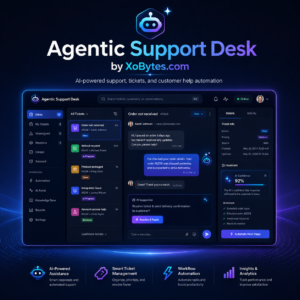
Agentic Support Desk for WordPress by XoBytes.com
$19.99
Agentic Support Desk by Xobytes is an AI-powered WordPress support desk built for software sellers, WooCommerce stores, agencies,…

Agent Shield by XoBytes | Protect against agentic software
$25.00
AgentShield is a WordPress AI Agent Firewall that helps detect, monitor, block, and temporarily ban AI crawlers, AI…

Agentic Construction Theme | More than just a theme | Built for all trades
$49.99
Why You Need This Theme And Plugin! Click here for the Demo Agentic Construction Theme by XoBytes is…
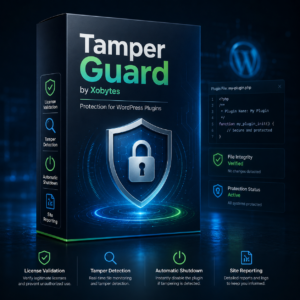
Tamper Guard by XoBytes | WordPress Plugin Tamper Detector
$25.00
Protect your commercial WordPress plugins with license-based tamper detection, file integrity monitoring, automatic shutdown protection, and site reporting.…
Product 1 of 6
- Identify Business Needs: Assess the specific requirements of your business to determine which off-the-shelf software aligns best with your goals.
- Research Options: Explore various software solutions available in the market, comparing features, pricing, and user reviews.
- Trial and Evaluation: Many vendors offer free trials or demos. Take advantage of these to evaluate usability and functionality.
- Plan the Implementation: Develop a clear plan for deployment, including timelines, training for staff, and data migration strategies.
- Monitor and Adjust: After implementation, monitor the software’s performance and gather feedback from users to make any necessary adjustments.
Decision Criteria for Choosing Off-the-Shelf Software
When deciding whether to choose off-the-shelf software, consider the following criteria:
- Business Size: Smaller businesses with standard needs may find off-the-shelf solutions more suitable, while larger organizations may require custom solutions.
- Budget Constraints: Evaluate your budget and determine if off-the-shelf software can meet your needs without straining financial resources.
- Urgency of Deployment: If you need a solution quickly, off-the-shelf software is often the best choice due to its immediate availability.
- Future Scalability: Consider whether the software can grow with your business. Some off-the-shelf solutions offer scalable features that can accommodate business growth.
Integration Considerations for Off-the-Shelf Software
When selecting off-the-shelf software, it is essential to consider how well it will integrate with existing systems. Poor integration can lead to inefficiencies and data silos. Here are some key integration considerations:
- API Availability: Check if the software provides APIs (Application Programming Interfaces) that allow for seamless data exchange with other applications.
- Third-Party Integrations: Look for software that supports integrations with popular third-party tools that your business already uses.
- Data Migration: Assess how easily data can be migrated from your existing systems to the new software, as this can significantly impact the implementation process.
Evaluating Software Vendors
Choosing the right vendor is as crucial as selecting the software itself. Here are some factors to consider when evaluating potential software vendors:
Continue with A Comprehensive Guide to Off-the-Shelf Software: Features, Benefits, and Limitations for additional XoBytes guidance.
- Reputation: Research the vendor’s reputation in the industry by reading reviews and testimonials from other businesses.
- Customer Support: Assess the quality of customer support offered, including availability, responsiveness, and resources like documentation and training materials.
- Long-Term Viability: Consider the vendor’s stability and long-term viability in the market, as this can affect software updates and support in the future.
Future-Proofing Your Software Choice
As technology evolves, it’s vital to choose off-the-shelf software that can adapt to future changes. Here are some strategies to ensure your software remains relevant:
- Regular Updates: Confirm that the vendor commits to regular updates and improvements to keep the software aligned with industry standards.
- Scalability: Choose solutions that can scale with your business growth, allowing you to add features or increase usage without needing to switch platforms.
- Community and Resources: Look for software that has an active user community or extensive resources available, as this can provide support and insights into best practices.
Case Studies: Successful Implementation of Off-the-Shelf Software
To illustrate the effectiveness of off-the-shelf software, here are a couple of case studies:
Case Study 1: E-Commerce Success with Shopify
A small retail business implemented Shopify to manage its online store. Within weeks, they were able to launch their e-commerce platform, benefiting from built-in payment processing and inventory management. The business saw a 30% increase in sales within the first quarter due to improved customer experience and streamlined operations.
Case Study 2: Efficient HR Management with BambooHR
A mid-sized company adopted BambooHR to manage its HR processes. The software allowed them to automate payroll and onboarding, significantly reducing administrative workload. As a result, HR staff could focus more on employee engagement and development, leading to a 15% increase in employee satisfaction scores.
Frequently Asked Questions
Here are some common questions about off-the-shelf software:
- What is off-the-shelf software? Off-the-shelf software refers to ready-made applications designed for general use, available for purchase and deployment without customization.
- What are the main advantages of off-the-shelf software? It is typically more affordable, easier to implement, and readily available, making it suitable for businesses with standard needs or limited budgets.
- When should a business choose off-the-shelf software over custom solutions? When the software fits the core requirements, budget constraints are present, or quick deployment is needed, off-the-shelf options are often preferable.
- What are the limitations of off-the-shelf software? It may lack specific features, flexibility, or integration capabilities tailored to unique business processes, possibly leading to compromises.
In conclusion, understanding off-the-shelf software is vital for businesses looking to enhance their operations. By weighing its benefits and limitations, organizations can make informed decisions that align with their goals.