
In today’s technology-driven world, businesses often face the crucial decision of choosing between off-the-shelf systems and custom software. This choice can significantly impact efficiency, productivity, and overall success. In this article, we will explore the pros and cons of both options, helping you determine which solution is right for your business.
Understanding Off-the-Shelf Systems
Off-the-shelf software refers to ready-made solutions designed to meet the general needs of businesses across various industries. These systems are widely available, often at a lower cost than custom-built alternatives. Because of their standardized nature, they allow for quick deployment, enabling businesses to start using them almost immediately.
However, while off-the-shelf systems offer numerous advantages, they also come with limitations. For instance, customization options may be limited, which can result in a mismatch between the software’s capabilities and the specific needs of your organization.
For useful background on this topic, see Custom Build Software vs Off-the-Shelf: Which Solution Fits Your Business Best?.
Benefits of Off-the-Shelf Systems
- Cost-Effective: Generally, off-the-shelf software has a lower initial investment compared to custom solutions.
- Quick Deployment: Businesses can implement these systems quickly, allowing for immediate productivity boosts.
- Proven Reliability: Many off-the-shelf systems have been tested and used by other businesses, ensuring a level of reliability.
Limitations of Off-the-Shelf Systems
- Limited Customization: These solutions may not fully align with unique business processes or requirements.
- Ongoing Costs: Businesses may face additional licensing fees or costs for updates and support.
- Scalability Issues: As your business grows, off-the-shelf systems may not scale effectively to meet your changing needs.
Exploring Custom Software Solutions
Custom software, on the other hand, is developed specifically for a business’s unique needs. This tailored approach allows for greater flexibility and functionality, ensuring that the software can adapt as the business evolves.
Despite the apparent benefits, custom software comes with its own set of challenges. For instance, the initial development costs can be significantly higher than off-the-shelf solutions. Additionally, the development process can be time-consuming, delaying the time to market.
Benefits of Custom Software
- Tailored Solutions: Custom software is built to fit your specific business needs, ensuring a better fit.
- Scalability: As your business grows, custom solutions can be easily modified to accommodate new requirements.
- Integration: Custom software can be designed to integrate seamlessly with existing systems and processes.
Limitations of Custom Software
- Higher Initial Costs: Developing custom software typically requires a larger upfront investment.
- Longer Development Time: The time required to build custom solutions can delay implementation.
- Maintenance Responsibility: Businesses must manage ongoing maintenance and updates, which can add to costs.
Cost Comparison: Off-the-Shelf vs Custom Software
When evaluating the costs of off-the-shelf systems versus custom software, it is essential to consider both the initial investment and the long-term implications. Off-the-shelf solutions usually have lower startup costs; however, they may incur ongoing licensing fees. In contrast, while custom software involves a higher initial investment, it can provide better long-term value due to its adaptability and scalability.
Choosing the Right Option for Your Business
Ultimately, the decision between off-the-shelf systems and custom software depends on your business’s specific needs, budget, and growth plans. To assist in making this decision, consider the following factors:
- Business Needs: Assess whether your business requires unique functionalities that off-the-shelf solutions cannot provide.
- Budget: Determine your budget for software solutions, including initial costs and ongoing expenses.
- Future Growth: Consider how your business may evolve and whether the software can adapt accordingly.
To further explore the nuances of this decision, you may find it helpful to read our article on Custom Software vs Off-the-Shelf Software: Which Is Better for Your Business?.
Related XoBytes Products
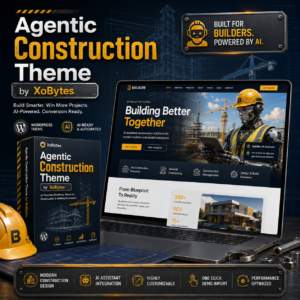
Agentic Construction Theme | More than just a theme | Built for all trades
$49.99
Why You Need This Theme And Plugin! Click here for the Demo Agentic Construction Theme by XoBytes is…

Agentic Consultant, Product Rep, & Customer Service Agent By XoBytes.com
$19.99
Agentic Consultant for WordPress gives your website a smart AI product rep, customer service agent, and hands-free voice…
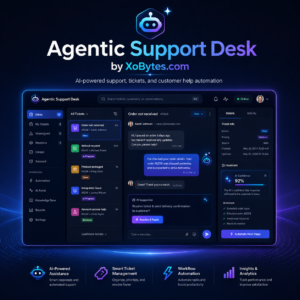
Agentic Support Desk for WordPress by XoBytes.com
$19.99
Agentic Support Desk by Xobytes is an AI-powered WordPress support desk built for software sellers, WooCommerce stores, agencies,…
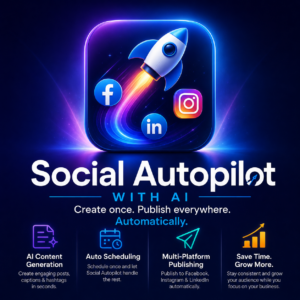
Social Media Autopilot With AI by XoBytes.com
$19.99
Xobytes Social Autopilot is a WordPress social media autoposter that helps schedule and promote posts, pages, WooCommerce products,…
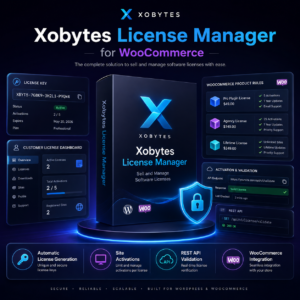
License manager for WooCommerce by XoBytes.com
$25.00
Xobytes License Manager for WooCommerce is a powerful WooCommerce license manager plugin that lets you sell software licenses,…

Agent Shield by XoBytes | Protect against agentic software
$25.00
AgentShield is a WordPress AI Agent Firewall that helps detect, monitor, block, and temporarily ban AI crawlers, AI…
Product 1 of 6
Conclusion
In conclusion, choosing between off-the-shelf systems and custom software is a critical decision for any business. Each option has its own set of advantages and limitations. By carefully evaluating your specific needs, budget, and growth plans, you can make an informed choice that aligns with your business objectives.
Real-World Examples of Off-the-Shelf and Custom Software
Understanding how different businesses have successfully implemented off-the-shelf systems and custom software can provide valuable insights. Here are a few examples:
Example of Off-the-Shelf Software
A small retail business may choose an off-the-shelf inventory management system like Shopify or Square. These platforms offer quick setup, easy integration with payment systems, and a range of features suitable for most retail operations. The business benefits from lower costs and immediate functionality without the need for extensive customization.
Continue with How Custom Made Software Differs from Off-the-Shelf Solutions: Key Comparisons and Business Benefits for additional XoBytes guidance.
Example of Custom Software
In contrast, a healthcare provider may require a custom software solution to manage patient records and comply with specific regulations. By developing a tailored application, the provider can ensure that the software meets unique needs such as data security, patient privacy, and integration with existing medical systems. Although the initial investment is higher, the long-term benefits include improved patient care and operational efficiency.
Implementation Steps for Off-the-Shelf and Custom Software
Choosing the right software solution is only the beginning; effective implementation is crucial for success. Here are steps for both options:
Implementing Off-the-Shelf Systems
- Identify Needs: Assess the specific needs of your business to choose the right off-the-shelf solution.
- Evaluate Options: Research various off-the-shelf products, comparing features, pricing, and user reviews.
- Trial and Feedback: Utilize free trials or demos to gather feedback from team members who will use the system.
- Deployment: Implement the software, ensuring that all users have access and are trained on its features.
- Monitor and Optimize: Continuously monitor the system’s performance and gather user feedback for optimization.
Implementing Custom Software
- Define Requirements: Collaborate with stakeholders to outline detailed requirements and objectives for the custom software.
- Select a Development Partner: Choose a reputable software development company with experience in your industry.
- Prototype Development: Work with the development team to create a prototype, allowing for early feedback and adjustments.
- Testing: Conduct thorough testing to identify and resolve any issues before full deployment.
- Training and Launch: Provide comprehensive training for users and launch the software, ensuring ongoing support is available.
Key Decision Criteria for Choosing Software Solutions
When faced with the decision between off-the-shelf systems and custom software, consider the following criteria:
- Business Size: Larger organizations may benefit from custom solutions that can scale, while smaller businesses might find off-the-shelf options sufficient.
- Industry Requirements: Certain industries, like healthcare or finance, may have specific compliance needs that favor custom software.
- User Experience: Evaluate how user-friendly each option is, as a system that is difficult to navigate can hinder productivity.
- Future-Proofing: Consider how each solution can adapt to future technological advancements and business growth.
Frequently Asked Questions
Below are some frequently asked questions regarding off-the-shelf systems and custom software:
- What are the main advantages of off-the-shelf software? Off-the-shelf software offers quick deployment, lower initial costs, and proven reliability, making it ideal for standard business needs without extensive customization.
- When should a business consider custom software over off-the-shelf solutions? Custom software is preferable when a business has unique requirements that off-the-shelf solutions cannot meet, or when scalability and integration with existing systems are critical.
- How do the costs of off-the-shelf systems compare to custom software? Off-the-shelf systems typically have lower upfront costs but may incur ongoing licensing fees, while custom software involves higher initial investment but can offer better long-term value and flexibility.
- Can off-the-shelf software be customized to fit specific business needs? Yes, many off-the-shelf solutions offer customization options, but they may be limited compared to the flexibility of custom-built software.