
In the competitive world of eCommerce, providing exceptional customer support is essential. One effective way to enhance your WooCommerce webshop’s support capabilities is by implementing helpdesk plugins. This article will explore the best practices for implementing helpdesk plugins in WooCommerce webshops, ensuring you create a seamless and efficient support experience for your customers.
Understanding Helpdesk Plugins
Helpdesk plugins are tools designed to streamline customer support operations. They enable businesses to manage inquiries, automate responses, and track customer interactions. By integrating these plugins into your WooCommerce store, you can improve response times and enhance overall customer satisfaction.
Choosing the Right Helpdesk Plugin
When selecting a helpdesk plugin, consider the following factors:
- Integration Capabilities: Ensure the plugin seamlessly integrates with WooCommerce and other essential tools.
- Automation Features: Look for plugins that offer automation options, such as ticket routing and auto-replies.
- Customer Support: Check the level of support provided by the plugin developers.
- Customization Options: The ability to customize the plugin to fit your specific needs is crucial.
For example, Agentic Support Desk is an excellent choice, as it offers AI-powered support automation tailored for WooCommerce stores.
Best Practices for Implementation
Implementing helpdesk plugins effectively requires careful planning and execution. Here are some best practices to consider:
1. Assess Your Customer Support Needs
Begin by evaluating your current support processes. Identify any gaps in service and determine how a helpdesk plugin can address these issues. This assessment will guide your selection process and help you choose the right features.
2. Utilize Automation Features
Automation can significantly enhance your support efficiency. Use features such as:
- Ticket Routing: Automatically assign tickets to the appropriate support team members based on their expertise.
- Auto-Replies: Set up automated responses for common inquiries to reduce response times.
- AI Chatbots: Implement chatbots to handle basic questions and free up your support staff for more complex issues.
By utilizing these automation features, you can streamline your workflows and improve overall customer satisfaction.
3. Train Your Support Team
Even with the best tools, an effective support team is essential. Provide training to ensure your staff understands how to use the helpdesk plugin effectively. Encourage them to explore all features and take advantage of automation capabilities.
4. Monitor Performance and Gather Feedback
After implementation, regularly monitor your helpdesk plugin’s performance. Analyze metrics such as response times, ticket resolution rates, and customer satisfaction scores. Additionally, gather feedback from both customers and support staff to identify areas for improvement.
5. Maintain Security Best Practices
Security is paramount when handling customer data. Implement security measures such as:
- Regular Updates: Ensure your helpdesk plugin is always up to date to protect against vulnerabilities.
- Data Encryption: Use encryption to safeguard sensitive customer information.
- Access Controls: Limit access to support data based on roles within your organization.
Using security plugins like Tamper Guard can help protect your support-related files.
Integrating Helpdesk Plugins with WooCommerce
Integration is crucial for a seamless customer experience. Ensure that your helpdesk plugin works well with WooCommerce and other tools you use. Many plugins offer easy integration options, making it simple to connect with your existing systems.
For more insights on optimizing your support, check out our article on Optimizing WooCommerce Support with Effective Helpdesk Solutions.
Conclusion
Implementing helpdesk plugins in your WooCommerce webshop can transform your customer support capabilities. By following these best practices, you can enhance efficiency, improve response times, and ultimately boost customer satisfaction. Remember to regularly monitor your helpdesk performance and adapt your strategies as needed to ensure ongoing success.
Practical Examples of Helpdesk Plugin Implementation
To better understand how to implement helpdesk plugins effectively, let’s explore a few practical examples:
Case Study: A Fashion Retailer
A mid-sized fashion retailer integrated the Agentic Support Desk plugin into their WooCommerce store. They faced challenges with high volumes of customer inquiries during seasonal sales. By utilizing the automation features of the helpdesk plugin, they set up:
- Ticket Routing: Tickets were automatically assigned to agents based on their expertise in specific product categories.
- AI Chatbots: Chatbots handled common inquiries about order status and return policies, allowing human agents to focus on more complex issues.
As a result, they saw a 40% reduction in response times and a significant increase in customer satisfaction ratings.
Comparison of Popular Helpdesk Plugins
When choosing a helpdesk plugin for your WooCommerce store, it’s beneficial to compare features and pricing. Here’s a quick comparison of three popular options:
| Plugin | Key Features | Pricing |
|---|---|---|
| Agentic Support Desk | AI automation, ticket management, seamless WooCommerce integration | Starting at $15/month |
| Zendesk | Multi-channel support, advanced analytics, customizable workflows | Starting at $19/month |
| Freshdesk | Collaboration tools, mobile app, ticketing system | Starting at $15/month |
Implementation Steps for Helpdesk Plugins
Implementing a helpdesk plugin involves several key steps to ensure a smooth transition and effective use:
- Define Your Goals: Clearly outline what you hope to achieve with the helpdesk plugin, such as reducing response times or improving customer satisfaction.
- Choose the Right Plugin: Based on your goals, select a plugin that offers the features you need.
- Install and Configure the Plugin: Follow the installation instructions provided by the plugin developer and configure the settings to match your business needs.
- Integrate with Existing Systems: Ensure the helpdesk plugin integrates smoothly with your WooCommerce store and any other tools you use, such as CRM systems.
- Train Your Team: Provide thorough training for your support staff on how to use the plugin effectively.
- Launch and Monitor: After launching, closely monitor the performance metrics and gather feedback from both customers and support agents.
Related XoBytes Products
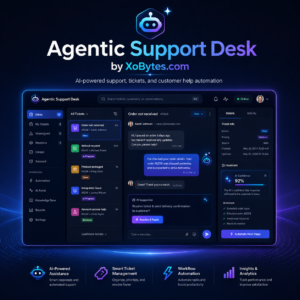
Agentic Support Desk for WordPress by XoBytes.com
$19.99
Agentic Support Desk by Xobytes is an AI-powered WordPress support desk built for software sellers, WooCommerce stores, agencies,…
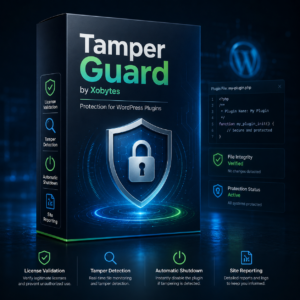
Tamper Guard by XoBytes | WordPress Plugin Tamper Detector
$25.00
Protect your commercial WordPress plugins with license-based tamper detection, file integrity monitoring, automatic shutdown protection, and site reporting.…

Plugin Update Server for WordPress by XoBytes.com
$25.00
Plugin Update Server by XoBytes lets WordPress plugin sellers deliver private plugin updates directly to customer dashboards. Upload…

Agentic Consultant, Product Rep, & Customer Service Agent By XoBytes.com
$19.99
Agentic Consultant for WordPress gives your website a smart AI product rep, customer service agent, and hands-free voice…
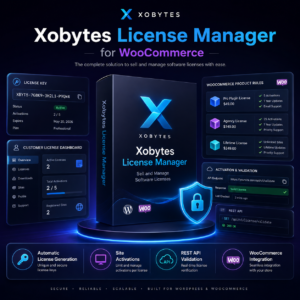
License manager for WooCommerce by XoBytes.com
$25.00
Xobytes License Manager for WooCommerce is a powerful WooCommerce license manager plugin that lets you sell software licenses,…
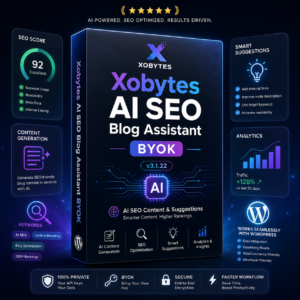
AI SEO Data & Automatic Blog Writer for WordPress by XoBytes
$19.99
Turn your WordPress site, Google Search Console data, and SEO opportunities into smarter blog posts, pages, titles, meta…
Product 1 of 6
Decision Criteria for Choosing Helpdesk Plugins
When evaluating helpdesk plugins, consider the following criteria to make an informed decision:
- Scalability: Ensure the plugin can grow with your business and handle increasing ticket volumes.
- User Interface: A user-friendly interface will facilitate quicker adoption by your support team.
- Customer Reviews: Check reviews and testimonials from other WooCommerce users to gauge satisfaction and reliability.
- Support and Documentation: Look for plugins that offer robust support and comprehensive documentation to assist with troubleshooting and setup.
Advanced Features to Consider
When selecting a helpdesk plugin for your WooCommerce webshop, it’s essential to consider advanced features that can further enhance your customer support capabilities. Here are some key features to look for:
- Multi-Channel Support: Choose a plugin that allows you to manage customer inquiries from various channels, such as email, social media, and live chat, all in one place.
- Knowledge Base Integration: A built-in knowledge base can empower customers to find answers to common questions on their own, reducing the volume of inquiries for your support team.
- Customizable Reporting: Look for plugins that offer customizable reporting tools, allowing you to generate insights tailored to your specific business needs.
- Mobile Accessibility: Ensure that the helpdesk plugin has a mobile-friendly interface or a dedicated app, enabling your support team to manage tickets on the go.
Measuring Success Post-Implementation
After implementing a helpdesk plugin, it’s crucial to measure its success to ensure it meets your objectives. Here are some key performance indicators (KPIs) to track:
- Average Response Time: Monitor how quickly your support team responds to customer inquiries.
- Ticket Resolution Time: Track the time it takes to resolve customer issues from the moment they are reported.
- Customer Satisfaction Score (CSAT): Use surveys to gauge customer satisfaction after support interactions.
- First Contact Resolution Rate: Measure the percentage of tickets resolved on the first contact with the customer.
By regularly analyzing these metrics, you can identify areas for improvement and make data-driven decisions to enhance your customer support strategy.
Real-World Implementation Scenarios
To further illustrate the effectiveness of helpdesk plugins, let’s explore a few real-world implementation scenarios:
Continue with Best WooCommerce Helpdesk Apps to Streamline Customer Support in 2026 for additional XoBytes guidance.
Case Study: An Electronics Retailer
An electronics retailer faced challenges with managing a high volume of customer inquiries during product launches. They implemented the Freshdesk plugin, which provided:
- Multi-channel support, allowing customers to reach out via email and social media.
- A knowledge base that reduced the number of repetitive inquiries.
As a result, they experienced a 30% increase in customer satisfaction and a notable decrease in ticket volume.
Case Study: A Home Goods Store
A home goods store integrated Zendesk into their WooCommerce platform to address customer complaints about delayed shipments. They utilized:
- Automated ticket routing to ensure inquiries were directed to the appropriate department.
- Customizable reporting to analyze trends in customer complaints.
This approach led to a 50% reduction in complaint resolution time and improved overall customer trust in the brand.
Future Trends in Helpdesk Solutions
As technology continues to evolve, so do helpdesk solutions. Here are some trends to watch for in the coming years:
- AI and Machine Learning: Expect increased use of AI to predict customer inquiries and automate responses further.
- Omnichannel Support: More businesses will adopt omnichannel strategies, ensuring a consistent customer experience across all platforms.
- Self-Service Options: The demand for self-service options will grow, enabling customers to resolve issues without direct support interaction.
Staying informed about these trends can help you adapt your customer support strategy and leverage new technologies effectively.
Frequently Asked Questions
Here are some common questions about implementing helpdesk plugins in WooCommerce webshops:
- What are the best WordPress plugins for WooCommerce customer support? Popular options include Agentic Support Desk, which offers AI-powered support automation, ticket management, and integration capabilities tailored for WooCommerce stores.
- How can I automate customer support for my WooCommerce webshop? Using support desk plugins with automation features, such as ticket routing, auto-replies, and AI chatbots, can significantly streamline support workflows and improve response times.
- What security considerations are important when implementing a helpdesk in WooCommerce? Ensure plugins like Tamper Guard are used to protect support-related files, and regularly update your support plugins to prevent tampering and security breaches.
- Can helpdesk plugins improve customer satisfaction in WooCommerce? Yes, by providing faster, more organized, and automated support, helpdesk plugins can enhance customer experience and foster loyalty.
By following these guidelines and leveraging the right tools, your WooCommerce webshop can provide exceptional customer support, ensuring a loyal customer base and increased sales.