
In today’s fast-paced digital landscape, choosing the right help desk plugin for your WordPress site is essential for enhancing customer support. A well-functioning help desk system can significantly improve your customer service operations. Therefore, in this article, we will explore how to choose the best help desk plugin for WordPress support teams.
Understanding the Need for a Help Desk Plugin
First, it’s important to understand why a help desk plugin is critical for your WordPress site. Help desk plugins streamline communication between your support team and customers. Moreover, they help manage customer inquiries efficiently, ensuring that no request goes unanswered.
Key Features to Look For
To choose the best help desk plugin, consider the following key features:
- Ticket Management: Efficient ticket management is crucial. Look for plugins that allow you to create, track, and manage support tickets easily.
- Multi-Channel Support: Customers often reach out through various channels. A plugin that supports multiple channels (like email, chat, and social media) can enhance your reach.
- Automation Capabilities: Automation can save time. Features such as auto-responses and ticket routing can improve efficiency.
- Knowledge Base Integration: A knowledge base allows customers to find answers on their own. This feature can reduce the number of tickets your team receives.
- User-Friendly Interface: A plugin should be easy to use for both your support team and customers. A clean, intuitive interface is essential.
Comparing Popular Help Desk Plugins
To make the selection process easier, let’s compare some popular help desk plugins available for WordPress:
- Agentic Support Desk: This plugin is designed specifically for WordPress and WooCommerce environments, offering robust ticketing and automation features.
- Freshdesk: Freshdesk integrates well with WordPress and offers multi-channel support, automation, and a knowledge base.
- Zendesk: Known for its powerful features, Zendesk can be integrated into WordPress to provide comprehensive customer support solutions.
For more detailed comparisons, check out our Ultimate Guide to Choosing Help Desk Plugins for WordPress Support.
Evaluating Plugin Performance
After identifying potential plugins, it’s crucial to evaluate their performance. Consider conducting trials or demos to see how well they integrate with your existing systems. Additionally, gather feedback from your support team on usability and functionality.
Pricing Considerations
Pricing can vary significantly between plugins. Therefore, it’s important to weigh the features offered against the cost. Some plugins may offer free versions with limited features, while others may require a subscription for full access.
Integration with Existing Tools
Another important factor is how well the help desk plugin integrates with your existing tools, such as CRM systems or email marketing platforms. Seamless integration can streamline your workflows and improve efficiency.
Conclusion
In conclusion, selecting the best help desk plugin for your WordPress support team involves careful consideration of features, performance, pricing, and integration capabilities. By following the guidelines outlined in this article, you can enhance your customer support operations significantly.
For further insights, consider reading our article on optimizing customer support with WordPress help desk plugins.
For a practical companion to this section, explore Top Help Desk Plugins for WordPress: Boost Customer Support Efficiency.
Understanding Your Support Team’s Needs
Before diving into the selection of a help desk plugin, it is crucial to assess the specific needs of your support team. This evaluation will help you identify which features are most important for your operations. Consider the following aspects:
- Team Size: Larger teams may require more robust features like advanced reporting and multi-user capabilities.
- Support Volume: If your team handles a high volume of inquiries, look for plugins with excellent ticket management and automation features.
- Customer Demographics: Understanding your customers’ preferences for communication can guide your choice in multi-channel support options.
Practical Examples of Help Desk Plugin Usage
To illustrate how help desk plugins can be utilized effectively, here are a few practical examples:
- Scenario 1: E-commerce Store – A WooCommerce store uses a help desk plugin to manage customer inquiries about order statuses. The plugin automatically sends updates to customers when their orders are shipped, reducing the number of support tickets.
- Scenario 2: SaaS Company – A SaaS provider integrates a help desk plugin with their CRM, allowing support agents to view customer history and provide personalized assistance quickly.
- Scenario 3: Educational Institution – An online learning platform employs a knowledge base integrated with their help desk plugin, enabling students to find answers to common questions without needing to contact support.
Implementation Steps for a Help Desk Plugin
Once you have selected a help desk plugin, follow these implementation steps to ensure a smooth transition:
- Installation: Install the plugin through your WordPress dashboard. Ensure you follow any specific installation instructions provided by the plugin developer.
- Configuration: Configure the plugin settings according to your support team’s needs. This may include setting up ticket categories, response templates, and automated workflows.
- Integration: Integrate the help desk plugin with your existing tools, such as CRM systems or email marketing platforms, to enhance functionality.
- Training: Provide training sessions for your support team to familiarize them with the new system and its features.
- Feedback Loop: Establish a feedback loop where team members can share their experiences and suggest improvements to the help desk processes.
Related XoBytes Products
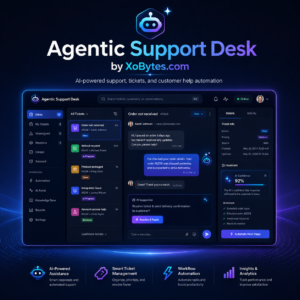
Agentic Support Desk for WordPress by XoBytes.com
$19.99
Agentic Support Desk by Xobytes is an AI-powered WordPress support desk built for software sellers, WooCommerce stores, agencies,…
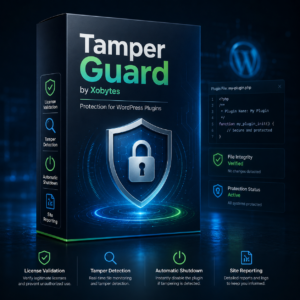
Tamper Guard by XoBytes | WordPress Plugin Tamper Detector
$25.00
Protect your commercial WordPress plugins with license-based tamper detection, file integrity monitoring, automatic shutdown protection, and site reporting.…

Plugin Update Server for WordPress by XoBytes.com
$25.00
Plugin Update Server by XoBytes lets WordPress plugin sellers deliver private plugin updates directly to customer dashboards. Upload…

Agentic Consultant, Product Rep, & Customer Service Agent By XoBytes.com
$19.99
Agentic Consultant for WordPress gives your website a smart AI product rep, customer service agent, and hands-free voice…
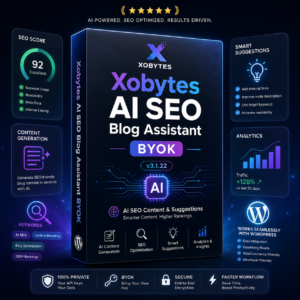
AI SEO Data & Automatic Blog Writer for WordPress by XoBytes
$19.99
Turn your WordPress site, Google Search Console data, and SEO opportunities into smarter blog posts, pages, titles, meta…

Social Media Autopilot With AI by XoBytes.com
$19.99
Xobytes Social Autopilot is a WordPress social media autoposter that helps schedule and promote posts, pages, WooCommerce products,…
Product 1 of 6
Decision Criteria for Choosing a Help Desk Plugin
When selecting a help desk plugin, consider the following decision criteria to make an informed choice:
- Scalability: Choose a plugin that can grow with your business. As your customer base expands, your help desk needs may change.
- Support and Updates: Check the level of support provided by the plugin developers and how frequently the plugin is updated to address bugs and introduce new features.
- User Reviews: Research user reviews and testimonials to gauge the overall satisfaction and reliability of the plugin.
- Trial Period: Opt for plugins that offer a free trial period, allowing you to test the features before committing to a purchase.
Future Trends in Help Desk Plugins
As technology evolves, help desk plugins are also adapting to meet new customer expectations. Here are some future trends to watch for:
Continue with Top WordPress Help Desk Plugins to Improve Customer Support Workflow for additional XoBytes guidance.
- AI Integration: Artificial Intelligence is becoming increasingly prevalent in customer service. Look for plugins that incorporate AI for chatbots or predictive analytics to enhance support efficiency.
- Omnichannel Support: The future of customer support lies in providing a seamless experience across all communication channels. Ensure your chosen plugin supports this trend.
- Enhanced Analytics: Advanced reporting features will allow businesses to gain deeper insights into support performance and customer satisfaction.
Common Mistakes to Avoid When Choosing a Help Desk Plugin
Choosing the right help desk plugin can be daunting. To make the process smoother, here are some common mistakes to avoid:
- Ignoring User Feedback: Failing to involve your support team in the selection process can lead to choosing a plugin that doesn’t meet their needs. Always gather input from those who will be using the system daily.
- Overlooking Scalability: Selecting a plugin that meets your current needs but lacks scalability can hinder your operations as your business grows. Always consider future needs.
- Neglecting Mobile Compatibility: In today’s mobile world, ensure the help desk plugin is mobile-friendly, allowing your support team to manage tickets on the go.
- Not Testing Before Committing: Avoid making a decision without testing the plugin. Utilize trial periods to see how well the plugin integrates with your existing systems.
Advanced Features to Consider
While basic features are essential, advanced functionalities can significantly enhance your help desk operations. Here are some advanced features worth considering:
- Customizable Dashboards: Look for plugins that allow you to create dashboards tailored to your team’s needs, enabling quick access to vital metrics and performance indicators.
- Integration with AI Tools: AI capabilities can automate responses and analyze customer interactions, providing insights that can help improve service quality.
- Multi-Language Support: If your business serves a global audience, consider a plugin that supports multiple languages to cater to diverse customer needs.
- Social Media Integration: Plugins that allow you to manage inquiries from social media platforms can streamline your support process and enhance customer engagement.
Measuring the Success of Your Help Desk Plugin
Once your help desk plugin is in place, it’s crucial to measure its effectiveness. Here are some key performance indicators (KPIs) to track:
- First Response Time: Measure how quickly your support team responds to customer inquiries. A shorter response time generally leads to higher customer satisfaction.
- Ticket Resolution Time: Track the average time it takes to resolve customer issues. This metric helps identify bottlenecks in your support process.
- Customer Satisfaction Score (CSAT): Use surveys to gauge customer satisfaction after ticket resolution. This feedback is invaluable for improving service quality.
- Volume of Tickets: Monitor the number of tickets received over time to identify trends and adjust your staffing or processes accordingly.
Integrating Customer Feedback into Your Help Desk Strategy
Incorporating customer feedback is essential for refining your help desk operations. Here are effective ways to gather and utilize feedback:
- Post-Resolution Surveys: Send surveys to customers after their issues are resolved to gather insights on their experience and areas for improvement.
- Regular Team Meetings: Hold meetings with your support team to discuss feedback and brainstorm solutions to common issues.
- Feedback Analytics: Use analytics tools to track feedback trends over time, allowing you to make data-driven decisions for your help desk strategy.
Frequently Asked Questions
Here are some common questions regarding help desk plugins:
- What features should I look for in a WordPress help desk plugin? Key features include ticket management, multi-channel support, automation capabilities, knowledge base integration, and user-friendly interfaces.
- How can a help desk plugin improve customer support efficiency? It automates repetitive tasks, organizes support tickets, enables faster response times, and provides seamless communication channels, leading to better support workflow.
- Are there any recommended help desk plugins for WooCommerce stores? Yes, plugins like Agentic Support Desk are designed to support WooCommerce environments, offering integrated ticketing and automation features.