In today’s digital landscape, businesses are increasingly recognizing the value of custom software solutions. However, understanding how to effectively estimate custom software development rates can be challenging. This practical guide aims to demystify the process, providing you with essential insights and strategies for making informed decisions.
Moreover, estimating custom software development rates is crucial for budgeting and project planning. By grasping the key factors that influence costs, you can better prepare your business for the financial commitments involved in custom software development.
Understanding Custom Software Development Rates
Custom software development rates can vary significantly based on various factors. To begin with, the complexity of the project plays a vital role. For example, a simple application may cost less than a complex enterprise-level solution. Additionally, the technology stack used can also impact pricing. Therefore, it’s essential to understand these elements when estimating costs.
Key Factors Influencing Custom Software Development Rates
To make this easier, here are some of the key factors that influence custom software development rates:
- Project Complexity: Highly complex projects typically require more resources and time, leading to higher costs.
- Technology Stack: The choice of programming languages, frameworks, and tools can affect development time and costs.
- Development Team Location: Rates may vary depending on whether the team is local, offshore, or nearshore.
- Features and Functionality: The more features and functionalities you require, the higher the development cost will be.
- Maintenance and Support: Ongoing support and updates can add to the overall cost of custom software.
For more details, check out our article on Understanding the Key Factors That Influence Custom Software Development Rates. This resource provides a deeper dive into the specific elements that can affect your budget.
How to Estimate Custom Software Development Rates
Estimating custom software development rates requires a systematic approach. Here are some steps to guide you through the process:
- Define Your Project Scope: Clearly outline what your project entails, including features, target audience, and desired outcomes.
- Research Development Teams: Investigate potential development teams, considering their expertise and location.
- Gather Cost Estimates: Request quotes from multiple development teams to compare rates and services offered.
- Consider Additional Costs: Factor in expenses related to maintenance, updates, and potential training for end-users.
- Review and Adjust: After gathering all information, review your estimates and adjust your budget accordingly.
Budgeting for Custom Software Development
Budgeting for custom software development is a critical aspect of the planning process. To ensure a successful project, consider the following tips:
- Set a Realistic Budget: Understand the market rates for similar projects to set a reasonable budget.
- Include Contingency Funds: Allocate extra funds to cover unexpected costs that may arise during development.
- Monitor Spending: Keep track of expenses throughout the project to avoid overspending.
- Communicate with Your Team: Regular communication with your development team can help keep the project on track and within budget.
In addition, exploring our article on Comprehensive Guide to Estimating and Budgeting for Custom Software Development can provide you with more insights into effective budgeting techniques.
Best Practices for Custom Software Development
Implementing best practices during the custom software development process can help ensure project success. Here are some strategies to consider:
- Agile Methodology: Adopting an agile approach allows for flexibility and iterative development, which can improve project outcomes.
- Regular Testing: Conducting regular testing throughout the development process can help identify issues early on.
- User Feedback: Involving end-users in the development process can lead to better usability and satisfaction.
- Documentation: Proper documentation ensures that all team members are on the same page and can help with future maintenance.
Finally, consider reading our article on Top Strategies for Successful Custom Software Development in Modern Businesses for more insights into enhancing your project outcomes.
Conclusion
Estimating custom software development rates is essential for effective budgeting and project planning. By understanding the key factors that influence costs and implementing best practices, businesses can make informed decisions that lead to successful software projects. Remember to continuously monitor your budget and adjust as necessary to ensure your project stays on track.
Practical Examples of Estimating Custom Software Development Rates
To better understand how to estimate custom software development rates, let’s consider a few practical examples:
Example 1: Simple Mobile Application
- Project Scope: A simple mobile application with basic features like user registration, profile management, and a content feed.
- Estimated Development Time: Approximately 3 months.
- Team Location: Offshore development team in Eastern Europe.
- Estimated Cost: $15,000 – $25,000.
Example 2: E-Commerce Platform
- Project Scope: A fully functional e-commerce platform with features like product listings, shopping cart, payment gateway integration, and user reviews.
- Estimated Development Time: Approximately 6 months.
- Team Location: Local team in the United States.
- Estimated Cost: $50,000 – $100,000.
Comparing Development Teams: Key Criteria
When researching potential development teams, it’s crucial to compare them based on several criteria:
Related XoBytes Products

Agentic Consultant, Product Rep, & Customer Service Agent By XoBytes.com
$19.99
Agentic Consultant for WordPress gives your website a smart AI product rep, customer service agent, and hands-free voice…
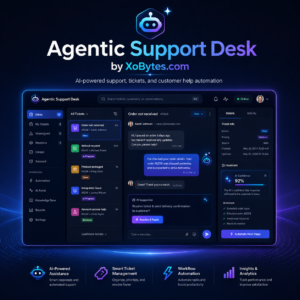
Agentic Support Desk for WordPress by XoBytes.com
$19.99
Agentic Support Desk by Xobytes is an AI-powered WordPress support desk built for software sellers, WooCommerce stores, agencies,…

Agent Shield by XoBytes | Protect against agentic software
$25.00
AgentShield is a WordPress AI Agent Firewall that helps detect, monitor, block, and temporarily ban AI crawlers, AI…
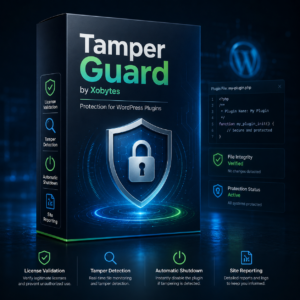
Tamper Guard by XoBytes | WordPress Plugin Tamper Detector
$25.00
Protect your commercial WordPress plugins with license-based tamper detection, file integrity monitoring, automatic shutdown protection, and site reporting.…
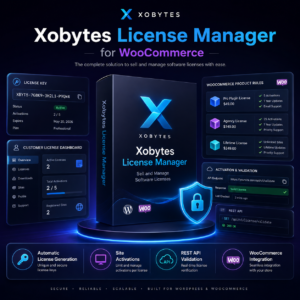
License manager for WooCommerce by XoBytes.com
$25.00
Xobytes License Manager for WooCommerce is a powerful WooCommerce license manager plugin that lets you sell software licenses,…

Plugin Update Server for WordPress by XoBytes.com
$25.00
Plugin Update Server by XoBytes lets WordPress plugin sellers deliver private plugin updates directly to customer dashboards. Upload…
Product 1 of 6
- Experience and Expertise: Evaluate their portfolio and past projects to ensure they have relevant experience in your industry.
- Client Testimonials: Look for reviews and testimonials from previous clients to gauge their reliability and quality of work.
- Communication Skills: Effective communication is vital for project success. Assess how responsive and clear they are during initial discussions.
- Post-Launch Support: Inquire about their maintenance and support services after the project is completed to ensure long-term success.
Implementation Steps for Accurate Cost Estimation
To ensure your cost estimation process is accurate, follow these implementation steps:
- Conduct a Requirements Gathering Session: Collaborate with stakeholders to gather all necessary requirements and document them clearly.
- Break Down the Project into Phases: Divide the project into manageable phases, which can help in providing more precise estimates.
- Use Estimation Techniques: Consider using estimation techniques like expert judgment, analogy-based estimation, or parametric estimation for more accuracy.
- Review and Validate Estimates: Share the estimates with your team and stakeholders for feedback and validation before finalizing the budget.
Decision Criteria for Choosing a Development Team
When selecting a development team, consider the following decision criteria:
Continue with Comprehensive Guide to Custom Software Development: Benefits, Costs, and Key Factors for additional XoBytes guidance.
- Budget Alignment: Ensure their rates align with your budget without compromising quality.
- Technical Skills: Confirm that the team possesses the necessary technical skills and experience for your specific project requirements.
- Project Management Approach: Understand their project management methodology (e.g., Agile, Waterfall) and ensure it aligns with your expectations.
- Time Zone Compatibility: If working with an offshore team, consider time zone differences and how they may impact communication and project timelines.
Common Mistakes to Avoid When Estimating Custom Software Development Rates
When estimating custom software development rates, it’s easy to make mistakes that can lead to budget overruns or project delays. Here are some common pitfalls to avoid:
- Underestimating Project Complexity: Failing to accurately assess the complexity of your project can lead to significant budget gaps. Always consider the full scope of features and integrations required.
- Ignoring Hidden Costs: Many businesses overlook costs associated with training, support, and maintenance. Ensure you account for these in your initial budget.
- Not Comparing Multiple Quotes: Relying on a single development team’s estimate can be risky. Always gather multiple quotes to ensure you are getting a fair rate.
- Neglecting to Set Clear Expectations: Without clear communication of project goals and timelines, misunderstandings can arise, leading to scope creep and increased costs.
Comparative Analysis of Development Team Models
Choosing the right development team model is crucial for your project’s success. Below is a comparative analysis of the three main development team models:
| Model | Advantages | Disadvantages |
|---|---|---|
| Local Team |
|
|
| Offshore Team |
|
|
| Nearshore Team |
|
|
Implementation Steps for Effective Budgeting
To ensure your budgeting process for custom software development is effective, follow these implementation steps:
- Conduct a Risk Assessment: Identify potential risks that could impact your budget and develop mitigation strategies.
- Establish a Budget Approval Process: Create a clear process for budget approval that involves key stakeholders to ensure alignment and accountability.
- Utilize Budgeting Tools: Consider using project management and budgeting tools to track expenses and manage resources effectively.
- Regularly Review Budget Progress: Schedule regular check-ins to review budget status and make adjustments as needed to stay on track.
Decision Criteria for Evaluating Software Development Proposals
When evaluating proposals from software development teams, consider the following decision criteria:
- Alignment with Project Goals: Ensure that the proposed solutions align with your project objectives and business goals.
- Transparency in Pricing: Look for clear breakdowns of costs and any potential additional expenses.
- Post-Launch Support: Evaluate the level of support offered after project completion to ensure ongoing success.
- Technical Compatibility: Confirm that the proposed technology stack is compatible with your existing systems and future needs.
Frequently Asked Questions
Here are some common questions related to estimating custom software development rates:
- What are custom software development rates? Custom software development rates refer to the costs associated with creating tailored software solutions, which can vary based on project complexity and requirements.
- How can I estimate software development costs? To estimate software development costs, consider factors such as project scope, technology stack, team expertise, and timeline. Detailed planning is essential.
- What factors influence software development pricing? Factors influencing software development pricing include project complexity, required features, development time, and the geographical location of the development team.
- Is custom software development worth the investment? Yes, custom software development can provide significant benefits, including tailored solutions, improved efficiency, and a competitive edge in the market.