
In today’s fast-paced digital landscape, businesses increasingly seek custom software solutions to meet their unique needs. However, understanding the factors that determine the cost of custom software development can be challenging. Many elements influence these costs, and being aware of them can help you make informed decisions for your projects.
Understanding Custom Software Development Costs
Custom software development is tailored to meet specific business requirements. Unlike off-the-shelf solutions, custom software is designed from the ground up, which often results in higher costs. Therefore, it is essential to grasp the various factors that contribute to these expenses.
1. Project Complexity
First, the complexity of your project significantly affects its cost. More complex projects require more time and resources. For example, a simple application with basic features will generally cost less than a comprehensive system with advanced functionalities.
2. Technology Stack
Next, the technology stack chosen for development can impact costs. Different programming languages, frameworks, and tools have varying licensing fees and development costs. For instance, using a popular framework may reduce costs due to the availability of resources and community support.
3. Team Expertise
Moreover, the expertise of your development team plays a crucial role in determining costs. Experienced developers may charge higher rates, but they often deliver higher quality work more efficiently. As a result, investing in a skilled team can save time and reduce long-term costs.
4. Project Duration
The duration of the project also influences its overall cost. Longer projects typically incur more expenses due to ongoing labor and resource allocation. Therefore, it is essential to have a clear timeline and scope to manage costs effectively.
For useful background on this topic, see Key Factors Influencing the Cost of Custom Software Development.
Additional Factors Influencing Costs
To make this easier, here are some additional factors that can influence the cost of custom software development:
- Integration Requirements: If your software needs to integrate with existing systems, this can add complexity and cost.
- Regulatory Compliance: Industries with strict regulations may require additional features that can increase costs.
- User Experience (UX) Design: A well-designed user interface can enhance usability but may also increase development time and costs.
- Maintenance and Support: Ongoing support and maintenance are often necessary and should be factored into your budget.
Estimating Your Budget
Estimating your budget for custom software development involves considering the factors mentioned above. Here are some tips to help you create an effective budget:
- Define your project scope clearly to avoid scope creep.
- Research the average hourly rates for developers in your area.
- Consider potential hidden costs, such as maintenance and updates.
- Request estimates from multiple development teams for comparison.
Common Misconceptions About Custom Software Costs
Many businesses hold misconceptions about the costs associated with custom software development. For instance, some believe that all custom software is prohibitively expensive. However, with careful planning and a clear understanding of your needs, you can find solutions that fit your budget.
Conclusion
In summary, understanding the factors that determine the cost of custom software development is essential for any business looking to invest in tailored solutions. By considering project complexity, technology stack, team expertise, and project duration, you can make informed decisions and manage your budget effectively. If you need more insights, check out our article on Understanding the Key Factors That Influence Custom Software Development Rates.
Practical Examples of Custom Software Development Costs
To better understand how various factors influence the cost of custom software development, let’s look at a few practical examples:
Example 1: E-commerce Platform
Consider a business looking to develop an e-commerce platform. The complexity of features like payment gateways, user accounts, inventory management, and analytics can significantly impact costs. A basic platform might cost around $20,000, while a feature-rich solution could exceed $100,000.
Example 2: Mobile Application
A mobile application for a startup might involve a simple user interface and limited functionality, costing approximately $15,000. However, if the app requires advanced features such as real-time chat, geolocation, and integration with third-party APIs, costs could soar to $50,000 or more.
Decision Criteria for Selecting a Development Team
Choosing the right development team is crucial for the success of your custom software project. Here are some decision criteria to consider:
- Experience: Look for teams with a proven track record in developing similar applications.
- Portfolio: Review their past projects to gauge the quality and style of their work.
- Client Testimonials: Seek feedback from previous clients to understand their experience with the team.
- Communication Skills: Ensure that the team communicates effectively and is responsive to your needs.
- Post-Launch Support: Assess whether they offer ongoing support and maintenance after the project is completed.
Related XoBytes Products

Agentic Consultant, Product Rep, & Customer Service Agent By XoBytes.com
$19.99
Agentic Consultant for WordPress gives your website a smart AI product rep, customer service agent, and hands-free voice…

Agent Shield by XoBytes | Protect against agentic software
$25.00
AgentShield is a WordPress AI Agent Firewall that helps detect, monitor, block, and temporarily ban AI crawlers, AI…
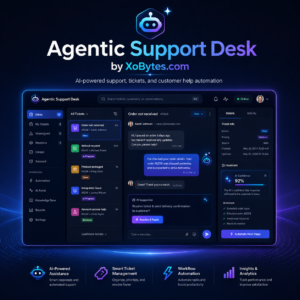
Agentic Support Desk for WordPress by XoBytes.com
$19.99
Agentic Support Desk by Xobytes is an AI-powered WordPress support desk built for software sellers, WooCommerce stores, agencies,…
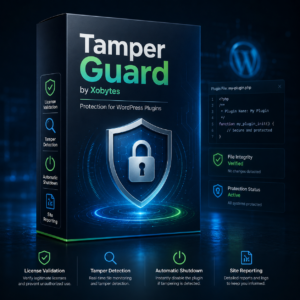
Tamper Guard by XoBytes | WordPress Plugin Tamper Detector
$25.00
Protect your commercial WordPress plugins with license-based tamper detection, file integrity monitoring, automatic shutdown protection, and site reporting.…
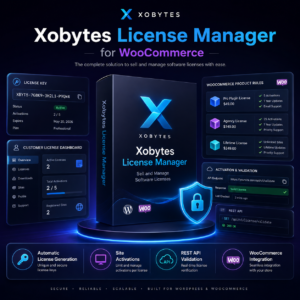
License manager for WooCommerce by XoBytes.com
$25.00
Xobytes License Manager for WooCommerce is a powerful WooCommerce license manager plugin that lets you sell software licenses,…

Social Media Autopilot With AI by XoBytes.com
$19.99
Xobytes Social Autopilot is a WordPress social media autoposter that helps schedule and promote posts, pages, WooCommerce products,…
Product 1 of 6
Implementation Steps for Custom Software Development
Once you’ve decided to proceed with custom software development, following a structured approach can help streamline the process. Here are the key implementation steps:
- Requirement Gathering: Collaborate with stakeholders to identify and document the specific requirements of the software.
- Project Planning: Develop a detailed project plan that outlines timelines, milestones, and resource allocation.
- Design Phase: Create wireframes and prototypes to visualize the software’s user interface and user experience.
- Development Phase: Begin coding the software, adhering to best practices and quality standards.
- Testing Phase: Conduct thorough testing to identify and resolve any bugs or issues before launch.
- Deployment: Launch the software and ensure that it is accessible to users.
- Post-Launch Review: Evaluate the software’s performance and gather user feedback for future improvements.
Comparing Custom Software Development Models
When considering custom software development, it’s essential to compare different development models to find the best fit for your project. Here are the most common models:
- Fixed Price Model: Best for projects with a well-defined scope. Costs are agreed upon upfront, but changes may lead to additional charges.
- Time and Materials Model: Suitable for projects with evolving requirements. You pay for the actual time spent and materials used, allowing for flexibility.
- Dedicated Team Model: Ideal for long-term projects. You hire a dedicated team that works exclusively on your project, providing consistent quality and focus.
Each model has its advantages and disadvantages, so consider your project’s specific needs and budget when making a decision.
Real-World Cost Comparisons
To further illustrate the factors that determine custom software costs, let’s examine a few more real-world scenarios:
Example 3: Healthcare Management System
Developing a healthcare management system involves stringent compliance with regulations such as HIPAA, which can significantly increase costs. A basic system might start at $50,000, while a comprehensive solution with features like patient portals, appointment scheduling, and electronic health records could exceed $200,000.
Example 4: Customer Relationship Management (CRM) Software
A custom CRM solution tailored to a mid-sized business may range from $30,000 to $100,000. The factors influencing this range include:
- Integration with existing tools: Connecting the CRM with email marketing platforms and analytics tools can increase complexity and cost.
- User roles and permissions: Implementing a robust user management system can add to development time.
- Reporting and analytics features: Advanced reporting capabilities can significantly increase the overall cost.
Key Implementation Steps in Detail
Understanding the implementation steps can help you manage your custom software development project more effectively. Here’s a more detailed breakdown:
Requirement Gathering
Engage with stakeholders to clarify their needs. This phase may involve:
Continue with Comprehensive Guide to Custom Software Development: Benefits, Costs, and Key Factors for additional XoBytes guidance.
- Conducting interviews and surveys.
- Creating user personas to understand target users better.
- Documenting functional and non-functional requirements.
Project Planning
A well-structured project plan should include:
- Milestones: Define key milestones to track progress.
- Resource Allocation: Determine the resources needed at each phase.
- Risk Management: Identify potential risks and develop mitigation strategies.
Design Phase
In this phase, the focus is on creating a user-friendly design:
- Wireframes: Sketch out the layout of the application.
- Prototypes: Develop interactive prototypes for user testing.
- User Feedback: Gather feedback on design concepts to refine the user experience.
Testing Phase
Testing is vital to ensure quality:
- Unit Testing: Test individual components for functionality.
- Integration Testing: Ensure that different modules work together seamlessly.
- User Acceptance Testing (UAT): Involve end-users to validate the software meets their needs.
Choosing the Right Development Model
When selecting a development model, consider the following:
- Fixed Price Model: Best for projects with a clear scope but can be inflexible if changes arise.
- Time and Materials Model: Offers flexibility, but costs can escalate if not monitored closely.
- Dedicated Team Model: Provides focused expertise, ideal for long-term projects but may require a higher initial investment.
Assess your project’s specific needs, budget constraints, and desired flexibility to choose the most suitable model.
Frequently Asked Questions
Here are some common questions about custom software development costs:
- What are the main factors affecting custom software development costs?
- The main factors include project complexity, technology stack, team expertise, and project duration.
- How can I estimate the cost of custom software development?
- To estimate costs, consider project size, required features, and the development team’s hourly rates.
- Are there hidden costs in custom software development?
- Yes, hidden costs may include maintenance, updates, and unforeseen technical challenges.
- What is the average timeframe for custom software development?
- The average timeframe varies widely, from a few months to over a year, depending on project scope.