Budgeting for custom software projects can be a daunting task. However, understanding the various rate factors involved can significantly ease the process. In this article, we will explore the key elements that influence budgeting for custom software projects, helping you make informed decisions and optimize your resources.
Understanding the Basics of Software Project Budgeting
When embarking on a custom software project, it’s essential to establish a clear budget. This budget will serve as a roadmap, guiding you through the development process. Moreover, it helps in identifying potential risks and setting realistic expectations for stakeholders.
Key Elements of a Software Project Budget
To create an effective budget, consider the following key elements:
- Project Scope: Define what features and functionalities the software will include.
- Technology Stack: Choose the right technologies that align with your project goals.
- Team Expertise: Assess the skills of your development team and whether you need additional resources.
- Timeline: Estimate how long the project will take and how that impacts costs.
- Ongoing Maintenance: Factor in the costs for support and updates post-launch.
By understanding these elements, you can build a more accurate budget that reflects your project’s needs.
Factors Influencing Custom Software Development Rates
Several factors can influence the rates associated with custom software development. For example, the complexity of the project, the technology used, and the geographical location of your development team can all play a significant role.
For useful background on this topic, see Strategic Tips for Managing and Funding Your Custom Software Projects.
Complexity of the Project
More complex projects typically require more resources and time, thus increasing costs. For instance, a simple mobile application will generally cost less than a comprehensive enterprise solution with multiple integrations.
Technology Stack
The choice of technology can also affect pricing. Some technologies may require specialized skills, which can increase hourly rates. Therefore, it’s crucial to choose technologies that match your team’s expertise.
Geographical Location
Additionally, the location of your development team can impact costs. For example, hiring developers in countries with lower living costs may result in lower rates compared to hiring in high-cost regions.
Creating an Effective Budget Strategy
To create a budget strategy that works, follow these steps:
- Research: Gather information on industry standards and typical costs for similar projects.
- Consult Experts: Engage with software development professionals to gain insights into potential expenses.
- Draft a Budget: Include all potential costs, from development to maintenance.
- Review and Adjust: Regularly review the budget during the project and adjust as necessary.
By following these steps, you can create a robust budget that guides your project to success.
Common Budgeting Mistakes to Avoid
While budgeting is crucial, there are common pitfalls to be aware of:
- Underestimating Costs: Always account for unforeseen expenses that may arise during development.
- Ignoring Maintenance: Many projects overlook ongoing maintenance costs, which can lead to budget overruns.
- Inflexibility: Be prepared to adjust your budget as project needs evolve.
Being aware of these mistakes can help you navigate the budgeting process more effectively.
For a practical companion to this section, explore Understanding the Key Factors That Influence Custom Software Development Rates.
Utilizing Tools for Budget Management
To streamline budgeting processes, consider using software tools designed for project management. These tools can help track expenses, allocate resources, and provide real-time insights into budget status. For example, tools like Trello or Asana can assist in managing tasks and timelines, while budgeting software can help keep financials in check.
Conclusion
Mastering budgeting for custom software projects is essential for success. By understanding the various rate factors and implementing effective strategies, you can optimize your budget and ensure your project stays on track. Remember to regularly review and adjust your budget as needed to accommodate any changes in project scope or expenses.
Related XoBytes Products

Agentic Consultant, Product Rep, & Customer Service Agent By XoBytes.com
$19.99
Agentic Consultant for WordPress gives your website a smart AI product rep, customer service agent, and hands-free voice…
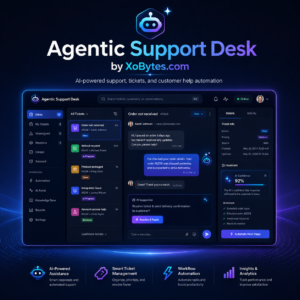
Agentic Support Desk for WordPress by XoBytes.com
$19.99
Agentic Support Desk by Xobytes is an AI-powered WordPress support desk built for software sellers, WooCommerce stores, agencies,…

Agent Shield by XoBytes | Protect against agentic software
$25.00
AgentShield is a WordPress AI Agent Firewall that helps detect, monitor, block, and temporarily ban AI crawlers, AI…
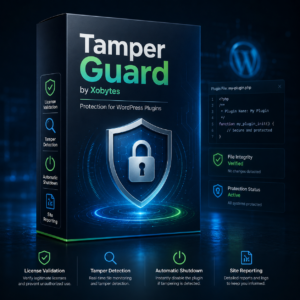
Tamper Guard by XoBytes | WordPress Plugin Tamper Detector
$25.00
Protect your commercial WordPress plugins with license-based tamper detection, file integrity monitoring, automatic shutdown protection, and site reporting.…
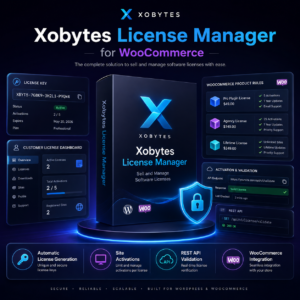
License manager for WooCommerce by XoBytes.com
$25.00
Xobytes License Manager for WooCommerce is a powerful WooCommerce license manager plugin that lets you sell software licenses,…

Plugin Update Server for WordPress by XoBytes.com
$25.00
Plugin Update Server by XoBytes lets WordPress plugin sellers deliver private plugin updates directly to customer dashboards. Upload…
Product 1 of 6
Practical Examples of Budgeting for Custom Software Projects
To better understand how to budget for custom software projects, let’s explore a few practical examples. These scenarios illustrate how different factors can influence budgeting decisions.
Example 1: A Startup Mobile App
A startup plans to develop a mobile application for fitness tracking. The project scope includes basic features like user registration, activity tracking, and social sharing. Here’s a potential budget breakdown:
- Project Scope: $15,000
- Technology Stack: React Native for cross-platform development ($5,000)
- Team Expertise: 2 developers at $50/hour for 200 hours ($20,000)
- Timeline: 3 months ($5,000 for project management)
- Ongoing Maintenance: $2,000 for updates and support
Total Estimated Budget: $47,000
Example 2: An Enterprise Resource Planning (ERP) System
A mid-sized company seeks to implement a comprehensive ERP system to streamline operations. The project is more complex, requiring various integrations and custom features. Here’s how the budget might look:
- Project Scope: $100,000
- Technology Stack: SAP or Oracle ERP ($30,000)
- Team Expertise: 5 developers at $75/hour for 600 hours ($225,000)
- Timeline: 6 months ($15,000 for project management)
- Ongoing Maintenance: $10,000 per year
Total Estimated Budget: $380,000
Continue with Understanding the True Cost and Key Drivers of Custom Software Projects for additional XoBytes guidance.
Comparing Budgeting Approaches
Different organizations may adopt various approaches to budgeting for custom software projects. Here are two common methods:
Top-Down Budgeting
In this approach, upper management sets a budget based on overall company financial goals. This method can be effective for aligning projects with strategic objectives but may overlook specific project needs.
- Pros: Quick decision-making and alignment with company strategy.
- Cons: Potential underestimation of project complexities.
Bottom-Up Budgeting
Conversely, bottom-up budgeting involves project managers and teams estimating costs based on detailed project requirements. This method can lead to more accurate budgets but may require more time and effort.
- Pros: Greater accuracy and detailed understanding of project needs.
- Cons: Time-consuming and may require extensive collaboration.
Implementation Steps for Effective Budgeting
To ensure a successful budgeting process, follow these implementation steps:
- Define Project Objectives: Clearly outline what the project aims to achieve.
- Conduct a Feasibility Study: Assess the viability of the project in terms of budget, resources, and timeline.
- Estimate Costs: Gather data on potential costs from various sources, including past projects and expert consultations.
- Draft the Budget: Create a detailed budget that includes all aspects of the project.
- Monitor and Review: Regularly track spending against the budget and make adjustments as necessary.
Decision Criteria for Choosing a Development Team
Selecting the right development team can significantly impact your project budget. Consider the following criteria when making your choice:
- Experience: Look for teams with a proven track record in similar projects.
- Technical Skills: Ensure the team has expertise in the technology stack you plan to use.
- Location: Consider the geographical location of the team, as it can affect costs and communication.
- References: Ask for case studies or testimonials from previous clients to assess their reliability.
Frequently Asked Questions
Here are some common questions regarding budgeting for custom software projects:
What are the main factors in budgeting for custom software?
The main factors include project scope, technology stack, team expertise, and ongoing maintenance costs.
How can I estimate the cost of custom software development?
You can estimate costs by analyzing similar projects, consulting with experts, and considering all potential expenses.
What should I include in my software project budget?
Your budget should cover development costs, testing, deployment, maintenance, and any additional resources needed.
How do I manage costs during a software project?
Regularly review the budget, communicate with your team, and adjust the scope as necessary to stay on track.
What is the importance of a detailed budget in software projects?
A detailed budget helps ensure that resources are allocated effectively, reducing the risk of overspending and project delays.