In today’s fast-paced business environment, understanding the concept of custom software development is crucial. Many organizations face unique challenges that off-the-shelf software simply cannot address. Therefore, custom software development offers tailored solutions that align perfectly with specific business needs. In this article, we will delve into what custom software development is, its benefits, and key insights that can drive business growth.
What Is Custom Software Development?
Custom software development refers to the process of designing and building software applications specifically for a particular organization or user. Unlike off-the-shelf software, which is mass-produced and designed for a general audience, custom software is tailored to meet the unique requirements of a business. This approach allows companies to create solutions that fit their workflows, processes, and operational needs.
Why Consider Custom Software Development?
Many businesses opt for custom software development for several reasons:
For useful background on this topic, see Understanding Custom Software Development: What It Is and Why Your Business Needs It.
- Unique Business Needs: Every organization has specific processes and workflows. Custom software can be designed to fit these unique requirements, enhancing efficiency and productivity.
- Scalability: As businesses grow, their software needs evolve. Custom solutions can be easily modified and scaled to accommodate growth.
- Integration: Custom software can seamlessly integrate with existing systems, ensuring a smoother transition and better data management.
- Competitive Advantage: Tailored solutions can provide features that set a business apart from its competitors, thus enhancing its market position.
The Custom Software Development Process
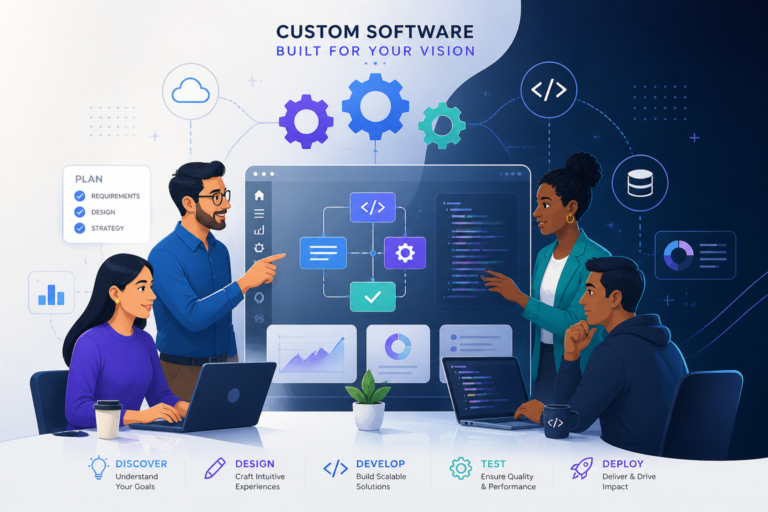
The process of developing custom software typically involves several key stages:
- Requirement Gathering: Understanding the specific needs and challenges of the business is crucial. This stage often involves discussions with stakeholders to gather insights.
- Design: Once the requirements are clear, the design phase begins. This includes creating wireframes and prototypes to visualize the software’s functionality.
- Development: During this phase, developers write the code and build the application according to the specifications outlined in the design phase.
- Testing: Thorough testing is essential to ensure the software functions correctly and meets the specified requirements.
- Deployment: After testing, the software is deployed for use within the organization.
- Maintenance: Ongoing support and maintenance are vital to address any issues and implement necessary updates.
To make this clearer, let’s explore some practical examples of custom software development:
- A retail company may need a custom inventory management system that integrates with its existing point-of-sale system.
- A healthcare organization might require a tailored patient management system that complies with specific regulations and enhances patient care.
- A financial service provider could develop a custom analytics tool that provides real-time insights into market trends and client behavior.
Benefits of Custom Software Development
Investing in custom software development can yield numerous benefits:
- Increased Efficiency: Custom software can streamline processes, reducing time spent on manual tasks and improving overall productivity.
- Enhanced User Experience: Tailored solutions can be designed with the end-user in mind, resulting in a more intuitive and user-friendly interface.
- Better Security: Custom software can be built with specific security measures tailored to the organization’s needs, reducing vulnerabilities.
- Cost-Effectiveness: Although the initial investment may be higher, custom software can result in long-term savings by reducing licensing fees and improving operational efficiency.
Challenges of Custom Software Development
While custom software development offers many advantages, it also comes with challenges:
- Higher Initial Costs: Developing custom software can be more expensive upfront compared to off-the-shelf solutions.
- Time-Consuming: The development process can take longer than implementing a ready-made solution.
- Requires Ongoing Support: Custom software requires a dedicated team for maintenance and updates, which can add to overall costs.
Best Practices for Custom Software Development
To ensure a successful custom software development project, consider the following best practices:
- Define Clear Objectives: Establish what you want to achieve with the software from the outset.
- Involve Stakeholders: Engage key stakeholders throughout the process to gather feedback and insights.
- Choose the Right Development Partner: Collaborate with a reputable development team with experience in your industry.
- Test Early and Often: Implement testing during each phase of development to catch issues early.
Related XoBytes Products

Agentic Consultant, Product Rep, & Customer Service Agent By XoBytes.com
$19.99
Agentic Consultant for WordPress gives your website a smart AI product rep, customer service agent, and hands-free voice…

Agentic Construction Theme | More than just a theme | Built for all trades
$49.99
Why You Need This Theme And Plugin! Click here for the Demo Agentic Construction Theme by XoBytes is…
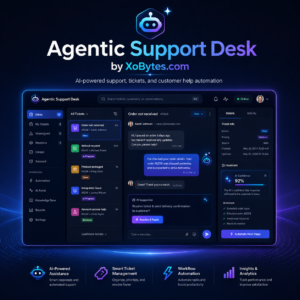
Agentic Support Desk for WordPress by XoBytes.com
$19.99
Agentic Support Desk by Xobytes is an AI-powered WordPress support desk built for software sellers, WooCommerce stores, agencies,…
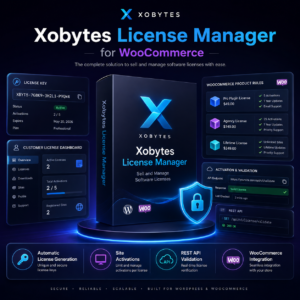
License manager for WooCommerce by XoBytes.com
$25.00
Xobytes License Manager for WooCommerce is a powerful WooCommerce license manager plugin that lets you sell software licenses,…

Agent Shield by XoBytes | Protect against agentic software
$25.00
AgentShield is a WordPress AI Agent Firewall that helps detect, monitor, block, and temporarily ban AI crawlers, AI…
Product 1 of 6
For example, understanding the key factors that influence custom software development rates can help businesses budget effectively. You can learn more about this in our article Understanding the Key Factors That Influence Custom Software Development Rates.
Conclusion
In conclusion, custom software development is an invaluable tool for businesses looking to enhance their operations and address unique challenges. By understanding its benefits, challenges, and best practices, organizations can make informed decisions that align with their growth strategies. Whether you’re considering custom software for the first time or looking to enhance existing solutions, this tailored approach can significantly impact your business’s success.
Practical Examples of Custom Software Development
To better understand the impact of custom software development, let’s explore some real-world applications across various industries:
- Manufacturing: A manufacturing company may develop a custom supply chain management system that tracks inventory levels in real-time, optimizes order processing, and predicts future inventory needs based on sales trends.
- Education: An educational institution might create a custom learning management system (LMS) that includes features such as personalized learning paths, student performance analytics, and seamless integration with existing student information systems.
- Logistics: A logistics provider could implement a custom route optimization tool that analyzes traffic patterns and delivery schedules, thus reducing fuel costs and improving delivery times.
Key Considerations Before Starting Custom Software Development
Before embarking on a custom software development project, businesses should evaluate several key considerations to ensure the project’s success:
Continue with How Custom Software Development Can Transform Your Business in 2026 for additional XoBytes guidance.
- Budget: Assess the overall budget for the project, including development, maintenance, and potential future upgrades.
- Timeline: Establish a realistic timeline for the project, considering all phases from requirement gathering to deployment.
- Future Scalability: Consider how the software will adapt to future business needs and technological advancements.
- User Adoption: Plan for user training and support to ensure smooth adoption of the new system by employees.
Comparing Custom Software Development with Off-the-Shelf Solutions
When deciding between custom software and off-the-shelf solutions, businesses should weigh the following factors:
- Customization: Custom software is built to meet specific needs, while off-the-shelf solutions may require compromises on functionality.
- Cost: Initial costs for custom software can be higher, but long-term savings may be realized through increased efficiency and reduced licensing fees.
- Support: Custom software often comes with dedicated support from the development team, whereas off-the-shelf solutions may rely on general customer service.
- Updates: Custom solutions can be tailored to include updates that align with business changes, while off-the-shelf products may not offer the same flexibility.
Implementation Steps for Custom Software Development
To ensure a smooth implementation of custom software, follow these key steps:
- Conduct a Needs Assessment: Identify the specific challenges and requirements of the business that the software will address.
- Engage Stakeholders: Involve key stakeholders from different departments to gather a wide range of insights and expectations.
- Select a Development Methodology: Choose an appropriate development methodology (e.g., Agile, Waterfall) that aligns with the project’s goals and timelines.
- Prototype Development: Create a prototype to visualize the software’s functionality and gather feedback before full-scale development.
- Launch and Monitor: After deployment, monitor the software’s performance and gather user feedback for continuous improvement.
Conclusion
Understanding the nuances of custom software development is essential for businesses seeking to leverage technology for growth. By considering practical examples, key factors, and implementation steps, organizations can make informed decisions that lead to successful outcomes.
Frequently Asked Questions
Here are some common questions about custom software development:
- What is custom software development? Custom software development is the process of creating software solutions tailored specifically to a business’s unique needs, rather than using generic, off-the-shelf tools.
- When should a business consider custom software development? A business should consider custom software development when existing solutions do not meet specific operational requirements, or when tailored features can provide a competitive advantage.
- What are the benefits of custom software for small businesses? Custom software can improve efficiency, enhance customer experience, provide better integration with existing systems, and support unique business processes.
- How does custom software development differ from standard software? Unlike standard software, which is designed for a broad audience, custom software is built specifically to address the particular needs and workflows of a single business.