
In today’s fast-paced digital landscape, businesses are increasingly turning to custom software solutions to meet their unique needs. However, understanding the cost to develop custom software can be challenging. Several key factors influence these costs, and being aware of them can help you budget more effectively for your projects. In this article, we will explore the essential elements that impact custom software development costs and provide insights on how to make informed decisions.
Understanding Custom Software Development
Custom software development refers to the creation of software applications tailored specifically for a business or organization. Unlike off-the-shelf solutions, which are designed for a broad audience, custom software addresses unique operational challenges. Because of this, the development process can vary significantly in terms of complexity and cost.
Key Factors Influencing the Cost to Develop Custom Software
To make this easier, let’s break down the main factors that impact the cost of developing custom software:
- Project Complexity: The more complex the project, the higher the costs. Complex features such as integrations with existing systems, advanced user interfaces, and extensive databases can significantly increase the development time and resources required.
- Features Required: Specific features such as user authentication, data analytics, and mobile compatibility can also affect costs. Each feature adds to the overall development time and effort.
- Development Team Location: The geographical location of your development team can impact labor costs. For example, hiring developers in North America may be more expensive than outsourcing to Eastern Europe or Asia.
- Technology Stack: The choice of programming languages, frameworks, and tools can influence costs. Some technologies may require specialized skills, which can be more expensive.
- Development Methodology: Agile, Waterfall, and other methodologies can affect project timelines and costs. Agile may lead to faster iterations but can also introduce variability in budgeting.
- Maintenance and Support: Ongoing costs for maintaining and updating the software can add to the total expenditure. It’s crucial to factor in these costs when budgeting.
- Testing and Quality Assurance: Comprehensive testing is essential to ensure software quality. The more thorough the testing process, the higher the costs.
Understanding these factors is crucial for businesses looking to invest in custom software. Moreover, it helps in making informed decisions about budgeting and project scope.
For useful background on this topic, see Understanding the True Cost of Building Custom Software Development Platforms.
How to Budget for Custom Software Development
Budgeting for custom software development can be daunting. However, with the right approach, you can create a realistic budget that meets your project’s needs. Here are some steps to consider:
- Define Your Requirements: Clearly outline what you need from the software, including functionalities and user experience.
- Research Costs: Investigate the average costs associated with similar projects. This can help you set a baseline for your budget.
- Consider Hidden Costs: Factor in costs for maintenance, updates, and potential future enhancements.
- Choose the Right Development Team: Evaluate your options carefully. A more experienced team may charge higher rates but can often deliver better quality and efficiency.
By following these steps, you can create a comprehensive budget that prepares you for the financial aspects of custom software development.
Common Misconceptions About Custom Software Costs
There are several misconceptions about the costs associated with custom software development. Let’s address a few:
- Custom Software is Always Expensive: While custom solutions can be pricier upfront, they often provide better long-term value by addressing specific business needs.
- All Development Teams Charge the Same: Rates can vary significantly based on expertise, location, and the complexity of the project.
- Once Developed, There Are No Further Costs: Ongoing maintenance and updates are essential for keeping the software functional and secure.
Being aware of these misconceptions can help you approach your project with a clearer perspective on costs.
Conclusion
Understanding the cost to develop custom software is vital for any business considering this investment. By recognizing the key factors that influence these costs, you can budget more effectively and ensure that your project aligns with your business goals. For more insights on software development pricing, check out our article on Understanding Software Development Pricing.
Practical Examples of Cost Implications
To better understand the cost implications of custom software development, consider the following real-world scenarios:
- Healthcare Management System: A hospital seeking a custom software solution for patient management might face costs ranging from $50,000 to $200,000. The complexity arises from the need for compliance with healthcare regulations, integration with existing systems, and the inclusion of features like telemedicine capabilities.
- E-commerce Platform: A small business wanting to create a custom e-commerce platform could expect to invest between $30,000 and $150,000. Factors influencing this cost include payment gateway integration, user experience design, and inventory management features.
- Mobile Application: Developing a custom mobile app can cost anywhere from $20,000 to over $100,000. The final cost is influenced by the app’s functionality, such as real-time updates, social media integration, and cross-platform compatibility.
Comparing Custom Software Development Models
When budgeting for custom software, it’s essential to consider different development models, each with its cost implications:
- Fixed Price Model: This model is suitable for projects with well-defined requirements. The total cost is agreed upon upfront, minimizing financial surprises but potentially limiting flexibility.
- Time and Materials Model: Ideal for projects where requirements may evolve, this model charges based on the actual time spent and materials used. However, it can lead to higher costs if the project scope expands.
- Dedicated Team Model: This model involves hiring a dedicated team for the project duration. While it can be more expensive, it allows for greater control and flexibility in project management.
Related XoBytes Products

Agentic Consultant, Product Rep, & Customer Service Agent By XoBytes.com
$19.99
Agentic Consultant for WordPress gives your website a smart AI product rep, customer service agent, and hands-free voice…
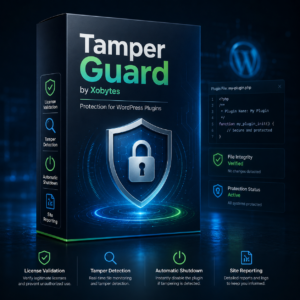
Tamper Guard by XoBytes | WordPress Plugin Tamper Detector
$25.00
Protect your commercial WordPress plugins with license-based tamper detection, file integrity monitoring, automatic shutdown protection, and site reporting.…
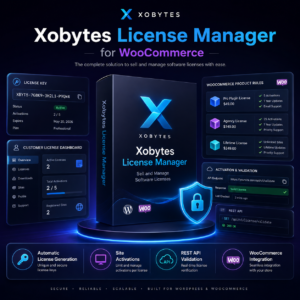
License manager for WooCommerce by XoBytes.com
$25.00
Xobytes License Manager for WooCommerce is a powerful WooCommerce license manager plugin that lets you sell software licenses,…
Steps to Ensure Cost-Effective Custom Software Development
To maximize your investment in custom software, consider the following steps:
- Conduct a Feasibility Study: Assess the technical and financial feasibility of your project to identify potential challenges early on.
- Prioritize Features: Determine which features are essential for the initial launch and which can be added later. This phased approach can help manage costs effectively.
- Utilize Prototyping: Create a prototype to visualize the software before full-scale development. This can help identify potential issues and reduce costly changes later.
- Engage Stakeholders: Involve key stakeholders throughout the development process to ensure the software meets business needs and expectations, minimizing the risk of costly revisions.
Decision Criteria for Choosing a Development Partner
Selecting the right development partner can significantly impact your project’s success and cost. Consider these criteria:
Continue with Understanding Custom Software Development: When and Why Your Business Needs It for additional XoBytes guidance.
- Experience and Expertise: Look for a team with a proven track record in your industry and the specific technologies you wish to use.
- Portfolio of Past Work: Review their previous projects to gauge their ability to deliver quality solutions within budget.
- Client Testimonials: Seek feedback from past clients to understand their experiences regarding communication, transparency, and overall satisfaction.
- Post-Launch Support: Ensure the development partner offers ongoing support and maintenance services to address any issues that may arise after the software is launched.
Practical Considerations for Custom Software Development
When embarking on a custom software development project, it’s essential to keep in mind several practical considerations that can impact both the process and the final product. Here are some key points to consider:
- Scalability: Ensure that the software is designed to grow with your business. Consider future needs and how the software can adapt without requiring a complete overhaul.
- Integration: Assess how the new software will integrate with existing systems. Seamless integration can reduce costs and improve efficiency.
- User Training: Plan for user training and support to ensure that your team can effectively utilize the new software, which can minimize disruptions and enhance productivity.
Comparative Analysis of Development Approaches
Understanding the different approaches to custom software development can help you make informed decisions that align with your budget and project goals. Here’s a comparative analysis of common approaches:
Waterfall vs. Agile
- Waterfall: This traditional approach follows a linear progression through defined phases. It can be cost-effective for projects with clear requirements but may lack flexibility for changes.
- Agile: Agile methodologies allow for iterative development and continuous feedback, which can lead to better alignment with user needs. However, this may result in higher costs due to ongoing adjustments.
In-House vs. Outsourced Development
- In-House Development: Building an internal team can provide better control and alignment with company culture but may involve higher fixed costs for salaries and benefits.
- Outsourced Development: Outsourcing can reduce costs and access specialized skills, but it may introduce challenges in communication and project management.
Implementation Steps for Custom Software
To ensure a successful custom software implementation, consider the following steps:
- Define Objectives: Clearly outline the goals of the software and how it aligns with your business strategy.
- Conduct a Requirements Gathering: Engage stakeholders to gather detailed requirements, ensuring that all perspectives are considered.
- Develop a Roadmap: Create a project timeline that includes milestones, deadlines, and deliverables to keep the project on track.
- Prototype and Feedback: Develop a prototype and gather feedback from users to refine the software before full-scale development.
- Testing and Quality Assurance: Implement thorough testing to identify and resolve issues before launch.
- Launch and Monitor: After deployment, monitor the software’s performance and gather user feedback for future improvements.
Decision Criteria for Choosing a Development Partner
Selecting the right development partner is crucial for the success of your custom software project. Here are some decision criteria to consider:
- Technical Expertise: Ensure the team has experience with the specific technologies and frameworks relevant to your project.
- Portfolio and Case Studies: Review past projects to evaluate their capability and success in delivering similar solutions.
- Communication Skills: Effective communication is essential for collaboration, so assess their responsiveness and clarity during initial discussions.
- Post-Launch Support: Inquire about the support and maintenance services offered after the software is launched to ensure long-term success.
Frequently Asked Questions
For additional questions regarding custom software development costs, feel free to reach out or explore our resources.
What are the main factors affecting custom software costs?
Key factors include project complexity, features required, development team location, and technology stack.
How can I budget for custom software development?
Start by defining project requirements, researching costs, and considering ongoing maintenance and support.
Is custom software more expensive than off-the-shelf solutions?
Typically, custom software has higher initial costs, but it offers tailored solutions that can save money in the long run.
What is the average timeline for developing custom software?
The timeline varies based on project complexity, but it usually ranges from a few months to over a year.