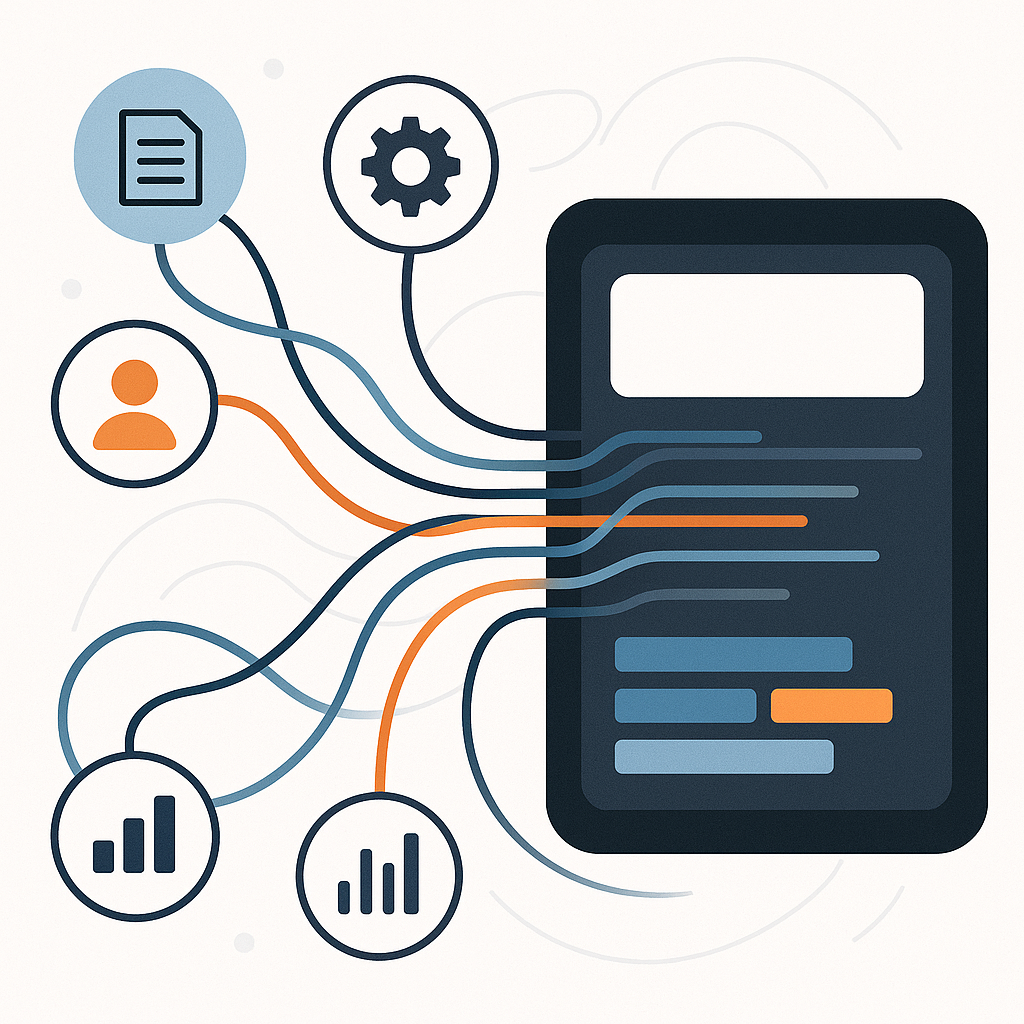
In today’s digital-first world, organizations rely on data to inform decisions and stay competitive. However, not all data is created equal. Custom data is the secret ingredient that powers tailored business software solutions, enabling companies to meet unique needs, improve efficiency, and unlock new opportunities. In this article, we’ll explain what custom data is, why it matters, and how it transforms software into a strategic asset for businesses of all sizes.
What Is Custom Data?
First, let’s define custom data. In software and business contexts, custom data refers to information that is specifically collected, structured, or formatted to meet the unique requirements of a particular organization. Unlike generic or off-the-shelf datasets, custom data is designed around a company’s processes, goals, and workflows.
For example, while a standard CRM might track names and emails, a custom CRM could include fields for industry-specific compliance, product preferences, or even custom scoring models. As a result, custom data provides a more accurate and actionable foundation for business operations.
Why Custom Data Matters in Business Software
Because every business is unique, off-the-shelf software often falls short. Custom data bridges this gap by enabling tailored solutions that align perfectly with business goals. Moreover, custom data empowers organizations to:
- Automate complex workflows that generic tools can’t handle
- Gain deeper insights from analytics based on unique metrics
- Enhance customer experiences through personalization
- Improve compliance and data governance
Therefore, investing in custom data is not just about having more information—it’s about having the right information to drive smarter decisions.
How Custom Data Powers Tailored Business Software Solutions
Next, let’s look at how custom data fuels the development and operation of tailored software solutions. At every stage, custom data plays a strategic role:
1. Requirements Gathering
During this phase, businesses identify what data matters most. For instance, a logistics company might need fields for shipment tracking, while a healthcare provider requires custom patient records. As a result, software developers can design databases and interfaces that fit these specific needs.
2. Data Integration and Migration
Often, businesses already have valuable data in spreadsheets, legacy systems, or third-party apps. However, integrating this information into a new solution requires mapping and transforming it into custom formats. This process ensures a seamless transition and preserves data integrity.
3. Custom Workflows and Automation
Because of custom data, software can automate processes that are unique to your business. For example, custom triggers can generate alerts, automate approvals, or personalize customer journeys based on specific data points.
4. Analytics and Reporting
In addition, custom data enables advanced analytics. Businesses can track KPIs that matter most to them, generate tailored reports, and visualize trends that generic solutions might overlook.
5. Scalability and Adaptability
Finally, as your business evolves, custom data structures allow your software to adapt. You can add new fields, change processes, or integrate with new systems without starting from scratch.
Benefits of Using Custom Data in Business Software
To make this easier, here are the top benefits of leveraging custom data in your business software:
- Increased Efficiency: Automate manual tasks and reduce errors.
- Improved Accuracy: Use data that reflects your real processes.
- Enhanced Personalization: Deliver tailored experiences for customers and staff.
- Greater Flexibility: Adapt software as your business changes.
- Competitive Advantage: Make data-driven decisions faster than competitors.
Because of these advantages, businesses that invest in custom data often see measurable improvements in productivity and customer satisfaction.
Custom Data vs. Standard Data: What’s the Difference?
Meanwhile, you might wonder how custom data differs from standard data. Here’s a quick comparison:
| Custom Data | Standard Data |
|---|---|
| Designed for your unique needs | Generic, one-size-fits-all |
| Flexible and adaptable | Rigid and often hard to modify |
| Enables unique workflows and analytics | Limited to basic processes |
| Supports compliance and industry standards | May not meet specific regulations |
In other words, custom data empowers you to build competitive, future-ready solutions, while standard data can hold you back.
Real-World Examples of Custom Data in Action
For example, let’s look at how different industries use custom data in their software solutions:
- Retail: Personalized promotions based on purchase history, location, and preferences.
- Healthcare: Custom patient records that track medical history, allergies, and treatment plans.
- Logistics: Real-time shipment tracking, route optimization, and carrier performance metrics.
- Finance: Risk assessment models and compliance tracking tailored to regulatory requirements.
- Manufacturing: Custom dashboards for production data, quality control, and equipment maintenance.
As you can see, custom data helps businesses in every sector build smarter, more responsive software.
How to Implement Custom Data in Your Business Software
Because implementing custom data can seem complex, it’s helpful to follow a structured approach:
- Identify Key Data Points: Determine what information is critical to your operations.
- Engage Stakeholders: Gather input from users, managers, and IT teams.
- Design Data Structures: Work with developers to create flexible, scalable models.
- Plan Integration: Map out how existing data will migrate to the new system.
- Test and Refine: Pilot the new system, gather feedback, and make adjustments.
- Train Users: Ensure everyone understands how to use and maintain custom data.
Moreover, partnering with experienced software developers can make this process smoother and more effective.
Challenges and Best Practices for Managing Custom Data
However, working with custom data does come with challenges. To overcome them, consider these best practices:
- Data Quality: Regularly clean and validate your data to avoid errors.
- Security: Implement strong access controls and encryption to protect sensitive information.
- Scalability: Design data structures that can grow with your business.
- Compliance: Stay up to date with industry regulations and data privacy laws.
- Documentation: Keep clear records of data models and changes.
At the same time, leveraging cloud technologies and automated tools can help streamline data management and reduce risks.
Custom Data and the Future of Business Software
As digital transformation accelerates, the demand for custom data-driven solutions will only increase. In fact, businesses that harness custom data will be better positioned to adapt to market changes, personalize customer experiences, and innovate faster than their competitors.
Meanwhile, trends like AI, machine learning, and IoT are making custom data even more valuable. With the right foundation, your business can unlock new insights and automate more processes than ever before.
Cost Considerations: Is Custom Data Worth the Investment?
Of course, implementing custom data and tailored software can require an upfront investment. However, the long-term benefits—such as increased efficiency, reduced manual work, and improved decision-making—often outweigh the initial costs.
To better understand the financial side, you may want to explore current software pricing trends and cost drivers. This resource explains what factors influence development costs and how to estimate your budget effectively.
Frequently Asked Questions About Custom Data
To address common concerns, here are some FAQs about custom data in business software:
- Is custom data secure? Yes, when implemented with proper security protocols and access controls.
- Can I integrate custom data with existing systems? Most modern software solutions support integration and data migration.
- Will custom data make my software harder to use? Not if it’s designed with user experience in mind. In fact, it often makes software more intuitive.
- How do I future-proof my custom data? Choose scalable data models and keep documentation up to date.
- What industries benefit most from custom data? Nearly every industry, including retail, healthcare, logistics, finance, and manufacturing.
Conclusion: Unlock Business Value With Custom Data
In summary, custom data is the foundation of tailored business software solutions. It enables organizations to automate unique workflows, gain deeper insights, and adapt quickly to change. Whether you’re seeking greater efficiency, better customer experiences, or a competitive edge, custom data is a strategic asset you can’t afford to ignore.
For more insights on building the right solution for your business, consider reading our guide on custom software pricing trends and development costs. The right partnership and data strategy can help you unlock the full potential of your technology investments.
Image suggestions: diagrams of custom vs. standard data models, workflow automation charts, industry-specific data dashboards, and infographics showing the benefits of tailored software solutions.
Leave a Reply