
In today’s digital world, exceptional customer service is crucial for any business. Therefore, utilizing the right tools can significantly enhance your support management system. This article explores the best WordPress support plugins for improving customer service and support management. By implementing these plugins, you can streamline workflows, enhance communication, and ultimately boost customer satisfaction.
Why Use WordPress Support Plugins?
WordPress support plugins are essential for managing customer inquiries effectively. They help you automate responses, track support tickets, and provide live chat options. Moreover, these plugins can integrate with various platforms, ensuring a seamless customer experience. For example, integrating with WooCommerce allows for more efficient order-related support.
Top WordPress Support Plugins
To make this easier, here are some of the best WordPress support plugins that can enhance your customer service:
- 1. Agentic Support Desk – This AI-powered plugin simplifies support ticket management and offers automation features to streamline your workflow. Learn more about it here.
- 2. WP Live Chat Support – This plugin provides real-time chat functionality, allowing you to assist customers instantly. It’s user-friendly and integrates easily with your WordPress website.
- 3. Zendesk Support for WordPress – This robust plugin connects your WordPress site with Zendesk, enabling you to manage support tickets efficiently and track customer interactions.
- 4. Help Scout – Help Scout offers a shared inbox for your team, making it easier to manage customer emails and support requests. It also includes a knowledge base feature.
- 5. WP Support Plus – This plugin is great for managing support tickets and includes features like email notifications and a customer portal.
In addition, you can explore the Top Ticket Support Plugins for WordPress to find more options that fit your needs.
Choosing the Right Support Plugin
When selecting a support plugin, consider the following factors:
- Features: Look for essential features such as ticket management, live chat, and automation capabilities.
- Integration: Ensure the plugin integrates seamlessly with your existing tools, like WooCommerce or CRM systems.
- User Experience: Choose a plugin that is easy to use for both your team and your customers.
- Support and Updates: Opt for plugins that offer good customer support and regular updates to ensure compatibility with WordPress.
Enhancing Customer Service with Automation
Automation is key to improving customer service efficiency. Many support plugins offer automation features that can:
- Assign tickets automatically based on predefined rules.
- Send canned responses to common inquiries.
- Provide chatbots for instant assistance, reducing the need for human intervention.
These features not only save time but also ensure that customers receive timely responses, enhancing their overall experience.
Best Practices for Using Support Plugins
To maximize the effectiveness of your chosen support plugins, consider these best practices:
- Regularly update your knowledge base: Keep your FAQs and resources up to date to provide customers with self-service options.
- Monitor customer feedback: Use feedback to improve your support processes and identify areas for enhancement.
- Train your team: Ensure your support team is well-trained in using the plugins effectively to provide the best service possible.
Conclusion
In summary, utilizing the best WordPress support plugins can significantly enhance your customer service and support management. By integrating these tools into your workflow, you can improve response times, streamline processes, and boost customer satisfaction. Explore the options available and choose the plugins that best fit your business needs.
Practical Examples of WordPress Support Plugins in Action
To better understand how WordPress support plugins can transform your customer service experience, let’s look at a couple of practical examples:
Example 1: E-commerce Store
Consider an online clothing store using WP Live Chat Support and Zendesk Support for WordPress. When a customer has a question about the return policy, they can initiate a live chat directly from the website. The support agent can quickly access the customer’s order history through Zendesk, allowing for a personalized response. This not only resolves the inquiry in real-time but also enhances customer satisfaction by providing immediate assistance.
For a practical companion to this section, explore Ultimate Guide to the Best WordPress Support Plugins for Superior Customer Service.
Example 2: SaaS Company
A software-as-a-service (SaaS) company might implement Help Scout for managing customer emails and support requests. By utilizing the shared inbox feature, the support team can collaborate on responses, ensuring that no customer inquiry goes unanswered. Additionally, they can direct customers to a regularly updated knowledge base, reducing the number of repetitive questions and empowering users to find answers independently.
Comparing Support Plugins: Key Features to Consider
When evaluating different WordPress support plugins, it’s essential to compare their features to find the best fit for your business. Here are some key features to consider:
- Ticket Management: Look for plugins that allow you to create, assign, and track support tickets easily.
- Live Chat: Real-time chat options can significantly enhance customer engagement.
- Knowledge Base: A built-in knowledge base can help customers find answers without needing to contact support.
- Reporting and Analytics: Features that provide insights into ticket resolution times and customer satisfaction can help improve your support strategy.
- Mobile Compatibility: Ensure the plugin is mobile-friendly, as many customers may reach out for support via their smartphones.
Implementation Steps for WordPress Support Plugins
Implementing a support plugin on your WordPress site can be straightforward. Follow these steps for a smooth installation process:
- Identify Your Needs: Assess your customer service requirements and determine which features are most important.
- Research Plugins: Explore the plugins mentioned above, read reviews, and compare features.
- Install the Plugin: Go to your WordPress dashboard, navigate to the Plugins section, and click on ‘Add New.’ Search for your chosen plugin and click ‘Install Now.’
- Configure Settings: After installation, configure the plugin settings to align with your support processes.
- Test Functionality: Before going live, test the plugin to ensure it works as expected and provides a seamless experience for users.
- Train Your Team: Provide training for your support staff on how to use the new plugin effectively.
Related XoBytes Products

Agentic Consultant, Product Rep, & Customer Service Agent By XoBytes.com
$19.99
Agentic Consultant for WordPress gives your website a smart AI product rep, customer service agent, and hands-free voice…
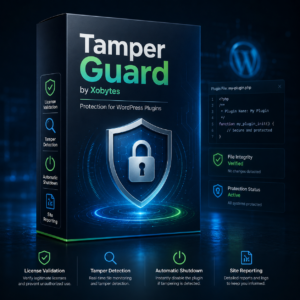
Tamper Guard by XoBytes | WordPress Plugin Tamper Detector
$25.00
Protect your commercial WordPress plugins with license-based tamper detection, file integrity monitoring, automatic shutdown protection, and site reporting.…
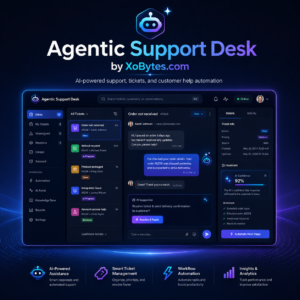
Agentic Support Desk for WordPress by XoBytes.com
$19.99
Agentic Support Desk by Xobytes is an AI-powered WordPress support desk built for software sellers, WooCommerce stores, agencies,…

Plugin Update Server for WordPress by XoBytes.com
$25.00
Plugin Update Server by XoBytes lets WordPress plugin sellers deliver private plugin updates directly to customer dashboards. Upload…
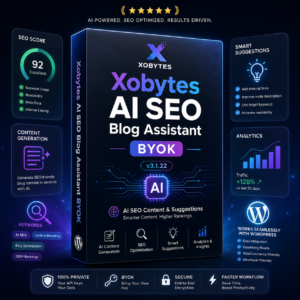
AI SEO Data & Automatic Blog Writer for WordPress by XoBytes
$19.99
Turn your WordPress site, Google Search Console data, and SEO opportunities into smarter blog posts, pages, titles, meta…

Agentic Construction Theme | More than just a theme | Built for all trades
$49.99
Why You Need This Theme And Plugin! Click here for the Demo Agentic Construction Theme by XoBytes is…
Product 1 of 6
Decision Criteria for Choosing a Support Plugin
Choosing the right support plugin requires careful consideration. Here are some decision criteria to help guide your choice:
- Cost: Evaluate the pricing structure of each plugin, including any ongoing subscription fees.
- Scalability: Ensure the plugin can grow with your business and handle increasing customer inquiries.
- Customization Options: Look for plugins that allow you to customize features and appearance to match your brand.
- Community and Support: Consider plugins with a strong user community and reliable customer support to assist you when needed.
Integrating WordPress Support Plugins with Other Tools
Many WordPress support plugins offer integration capabilities with other tools, enhancing their functionality. Here are some common integrations to consider:
- CRM Systems: Integrating with tools like Salesforce or HubSpot can help manage customer relationships more effectively.
- Email Marketing Platforms: Connect with platforms like Mailchimp to streamline customer communications and follow-ups.
- Payment Gateways: Ensure your support plugin integrates with payment processors to handle billing inquiries seamlessly.
By thoughtfully selecting and implementing the right WordPress support plugins, businesses can create a more efficient support system that not only meets customer needs but also fosters loyalty and satisfaction.
Continue with How to Choose the Best WordPress Support Plugins for Better Customer Satisfaction for additional XoBytes guidance.
Integrating WordPress Support Plugins with Other Tools
To maximize the effectiveness of your WordPress support plugins, consider integrating them with other tools and platforms. This can create a more cohesive customer service experience and streamline your operations. Here are some common integrations:
- CRM Systems: Integrating your support plugin with a Customer Relationship Management (CRM) system, like Salesforce or HubSpot, allows you to track customer interactions and manage relationships more effectively.
- Email Marketing Tools: Connecting your support plugin with email marketing platforms, such as Mailchimp or Constant Contact, can help you keep your customers informed about updates, promotions, and responses to their inquiries.
- Social Media: Many support plugins can integrate with social media platforms, enabling you to manage customer inquiries from channels like Facebook and Twitter directly within your support system.
- Analytics Tools: Integrating with analytics tools like Google Analytics can provide insights into customer behavior and help you measure the effectiveness of your support strategies.
Common Challenges and Solutions
While implementing support plugins can greatly enhance your customer service, it’s essential to be aware of potential challenges. Here are some common issues and their solutions:
- Overwhelming Features: Some plugins come with a plethora of features that can be overwhelming. Solution: Start with the essential features and gradually explore advanced options as your team becomes more comfortable with the tool.
- Integration Issues: Sometimes, plugins may not integrate smoothly with existing systems. Solution: Research compatibility before selecting a plugin and reach out to support for assistance if integration issues arise.
- User Adoption: Team members may resist using new tools. Solution: Provide comprehensive training and highlight the benefits of the plugin to encourage adoption.
Future Trends in Customer Support Plugins
The landscape of customer support is continually evolving. Here are some trends to watch for in the future of WordPress support plugins:
- AI and Machine Learning: Expect more plugins to incorporate AI-driven features, such as predictive analytics and advanced chatbots, to enhance customer interactions.
- Omnichannel Support: Future plugins will likely focus on providing a seamless experience across multiple channels, allowing customers to switch between email, chat, and social media without losing context.
- Enhanced Personalization: Plugins may offer more personalized support options, leveraging customer data to tailor responses and recommendations.
Measuring the Success of Your Support Plugins
To ensure your chosen support plugins are delivering the desired results, it’s crucial to measure their effectiveness. Here are key performance indicators (KPIs) to track:
- Response Time: Monitor how quickly your team responds to customer inquiries.
- Resolution Rate: Track the percentage of support tickets resolved on the first contact.
- Customer Satisfaction Score (CSAT): Use surveys to gauge customer satisfaction after support interactions.
- Ticket Volume: Analyze the number of support requests over time to identify trends and potential issues.
Frequently Asked Questions
Here are some common questions regarding WordPress support plugins.
What features should I look for in a WordPress support plugin?
Key features include ticket management, live chat, automation capabilities, knowledge base integration, and multi-channel support to enhance customer service efficiency.
How can support plugins improve customer satisfaction on my WordPress site?
Support plugins streamline communication, reduce response times, and provide self-service options, all of which contribute to higher customer satisfaction and loyalty.
Are there support plugins that integrate with WooCommerce?
Yes, many support plugins integrate seamlessly with WooCommerce, enabling support ticketing, live chat, and automation tailored for e-commerce sites.
What is the best way to automate support workflows in WordPress?
Using support plugins with automation features like ticket assignment, canned responses, and chatbots can significantly streamline support workflows.
What features should I look for in a WordPress support plugin?
Key features include ticket management, live chat, automation capabilities, knowledge base integration, and multi-channel support to enhance customer service efficiency.
How can support plugins improve customer satisfaction on my WordPress site?
Support plugins streamline communication, reduce response times, and provide self-service options, all of which contribute to higher customer satisfaction and loyalty.
Are there support plugins that integrate with WooCommerce?
Yes, many support plugins integrate seamlessly with WooCommerce, enabling support ticketing, live chat, and automation tailored for e-commerce sites.
What is the best way to automate support workflows in WordPress?
Using support plugins with automation features like ticket assignment, canned responses, and chatbots can significantly streamline support workflows.