
Choosing the right support desk plugin for your WordPress site is crucial for enhancing customer support. A well-functioning help desk system can significantly improve your customer service operations. Therefore, in this article, we will explore the essential factors to consider when selecting the best support desk plugin for your WordPress site.
Why You Need a Support Desk Plugin
First, let’s understand the importance of a support desk plugin. A dedicated support system enables businesses to manage customer inquiries efficiently. It centralizes communication, tracks support tickets, and provides valuable insights into customer interactions. As a result, using a support desk plugin can lead to improved customer satisfaction and loyalty.
Key Features to Look For
When evaluating different support desk plugins, consider the following key features:
- Ticket Management: A robust ticket management system allows you to track, prioritize, and resolve customer issues efficiently.
- Live Chat Integration: This feature enables real-time communication with customers, providing instant support and enhancing user experience.
- Automation Capabilities: Automation tools can streamline repetitive tasks, such as ticket routing and response generation, saving time for your support team.
- Security Tools: Ensure that the plugin offers security features to protect customer data and maintain trust.
- Seamless WordPress Compatibility: Choose a plugin that integrates smoothly with your existing WordPress site and other plugins.
Top Support Desk Plugins for WordPress
To make this easier, here are some of the top support desk plugins you should consider:
- Agentic Support Desk: This AI-powered plugin is designed for WooCommerce stores and offers comprehensive ticket management features.
- Zendesk Support for WordPress: A well-known solution that integrates seamlessly with WordPress, providing advanced ticketing and reporting features.
- WP Support Plus: This plugin offers a simple interface and is great for small businesses looking to enhance customer support.
- Help Scout: A versatile tool that combines email and chat support with a robust ticketing system.
Moreover, integrating your support desk plugin with other tools can enhance its functionality. For example, using plugins like Tamper Guard for security can help maintain a secure support environment.
Considerations When Choosing a Plugin
When selecting a support desk plugin, consider the following:
- Scalability: Ensure the plugin can grow with your business needs.
- Support and Documentation: Look for plugins that offer excellent customer support and comprehensive documentation.
- User Reviews: Check user reviews and ratings to gauge the plugin’s performance and reliability.
- Cost: Compare pricing models, including any hidden fees for additional features.
How to Implement Your Chosen Plugin
Once you’ve selected a support desk plugin, implementing it on your WordPress site is crucial. Follow these steps:
- Install the plugin from the WordPress Plugin Repository or upload it manually.
- Configure the settings according to your business needs.
- Integrate the plugin with your existing tools and systems.
- Test the functionality to ensure everything works as expected.
Finally, monitor the plugin’s performance and gather feedback from your team and customers. This will help you make necessary adjustments and ensure optimal efficiency.
For more detailed comparisons of support desk plugins, check out our article on Support Desk Plugin Comparison: Find the Right Solution for Your Business.
Understanding Your Business Needs
Before diving into the selection of a support desk plugin, it’s vital to assess your specific business needs. Consider the following:
- Type of Business: Are you running an e-commerce store, a service-based business, or a blog? Different types of businesses have varying support requirements.
- Volume of Inquiries: Estimate the number of customer inquiries you receive daily. If you expect high traffic, you’ll need a plugin that can handle a large volume of tickets efficiently.
- Customer Preferences: Understand how your customers prefer to reach out. Do they favor live chat, email, or social media? Choose a plugin that supports their preferred communication channels.
Comparing Support Desk Plugins
Once you’ve identified your needs, it’s time to compare different support desk plugins. Here’s a quick comparison of some popular options:
| Plugin | Best For | Key Features | Pricing |
|---|---|---|---|
| Agentic Support Desk | WooCommerce Stores | AI-powered ticket management, automated responses | Starting at $15/month |
| Zendesk Support for WordPress | Large Enterprises | Advanced reporting, multi-channel support | Starting at $49/month |
| WP Support Plus | Small Businesses | Easy interface, customizable forms | Free with premium options |
| Help Scout | Teams Needing Collaboration | Email and chat integration, shared inbox | Starting at $20/month |
Implementation Steps for Your Support Desk Plugin
Implementing your chosen support desk plugin effectively can make a significant difference in its performance. Here’s a step-by-step guide:
- Backup Your Website: Before making any changes, always back up your WordPress site to prevent data loss.
- Install the Plugin: Navigate to the WordPress dashboard, go to Plugins, and select Add New. Search for your chosen support desk plugin and click Install Now.
- Activate the Plugin: After installation, activate the plugin to start configuring it.
- Configure Settings: Go through the plugin settings and customize them according to your business needs. This may include setting up ticket priorities, response templates, and automation rules.
- Integrate with Other Tools: If you use other tools like CRM software or email marketing platforms, ensure that your support desk plugin integrates with them for a seamless workflow.
- Train Your Team: Provide training for your support team on how to use the new plugin effectively. This can include tutorials or hands-on sessions.
- Monitor and Optimize: After implementation, monitor the plugin’s performance through analytics and customer feedback. Make adjustments as necessary to improve efficiency and customer satisfaction.
Related XoBytes Products
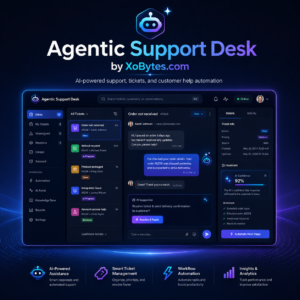
Agentic Support Desk for WordPress by XoBytes.com
$19.99
Agentic Support Desk by Xobytes is an AI-powered WordPress support desk built for software sellers, WooCommerce stores, agencies,…
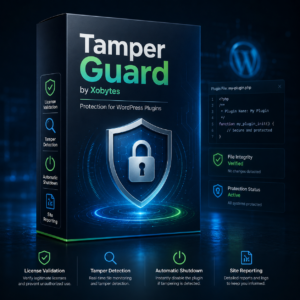
Tamper Guard by XoBytes | WordPress Plugin Tamper Detector
$25.00
Protect your commercial WordPress plugins with license-based tamper detection, file integrity monitoring, automatic shutdown protection, and site reporting.…
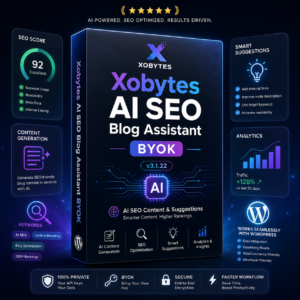
AI SEO Data & Automatic Blog Writer for WordPress by XoBytes
$19.99
Turn your WordPress site, Google Search Console data, and SEO opportunities into smarter blog posts, pages, titles, meta…

Agentic Consultant, Product Rep, & Customer Service Agent By XoBytes.com
$19.99
Agentic Consultant for WordPress gives your website a smart AI product rep, customer service agent, and hands-free voice…

Plugin Update Server for WordPress by XoBytes.com
$25.00
Plugin Update Server by XoBytes lets WordPress plugin sellers deliver private plugin updates directly to customer dashboards. Upload…

Social Media Autopilot With AI by XoBytes.com
$19.99
Xobytes Social Autopilot is a WordPress social media autoposter that helps schedule and promote posts, pages, WooCommerce products,…
Product 1 of 6
Best Practices for Using a Support Desk Plugin
To get the most out of your support desk plugin, consider these best practices:
- Regularly Update the Plugin: Keep your plugin updated to ensure you have the latest features and security patches.
- Utilize Analytics: Use the analytics tools provided by the plugin to track performance metrics such as response times and customer satisfaction rates.
- Gather Feedback: Regularly solicit feedback from your customers about their support experience to identify areas for improvement.
- Encourage Self-Service: Create a knowledge base or FAQ section to empower customers to find answers on their own, reducing the volume of support tickets.
Evaluating Support Desk Plugin Performance
Once your support desk plugin is up and running, it’s essential to evaluate its performance regularly. Here are some metrics to consider:
- Response Time: Measure how quickly your support team responds to customer inquiries.
- Resolution Time: Track the average time taken to resolve support tickets.
- Customer Satisfaction Score (CSAT): Use surveys to gauge customer satisfaction after ticket resolution.
- Ticket Volume: Monitor the number of tickets generated over time to identify trends.
By analyzing these metrics, you can make informed decisions about adjustments needed for your support process.
Customizing Your Support Desk Plugin
Customization can significantly enhance the effectiveness of your support desk plugin. Here are some ways to tailor the plugin to your needs:
- Branding: Customize the appearance of the support interface to align with your brand identity, including colors, logos, and fonts.
- Response Templates: Create standardized response templates for common inquiries to ensure consistency and save time.
- Custom Fields: Add custom fields to your ticket forms to collect specific information relevant to your business.
These customizations can improve the user experience for both your team and your customers.
Integrating with Other Tools
Integration with other tools can enhance the functionality of your support desk plugin. Consider the following integrations:
- CRM Systems: Integrate with customer relationship management software to have a comprehensive view of customer interactions.
- Email Marketing Platforms: Connect with email marketing tools to follow up with customers post-support and gather feedback.
- Analytics Tools: Use analytics platforms to track performance metrics and gain insights into customer behavior.
These integrations can streamline your workflow and provide valuable data for improving customer support.
Case Study: Successful Implementation of a Support Desk Plugin
To illustrate the impact of choosing the right support desk plugin, consider the following case study:
Continue with The Ultimate Guide to Choosing Help Desk Plugins for WordPress Support for additional XoBytes guidance.
Business: XYZ E-commerce Store
Challenge: XYZ faced a high volume of customer inquiries, leading to long response times and decreased customer satisfaction.
Solution: After evaluating several plugins, they chose Agentic Support Desk due to its AI-powered ticket management and live chat features. They customized the plugin with branded templates and trained their support team on its use.
Results: Within three months, XYZ reported a 40% reduction in response times and a 30% increase in customer satisfaction scores. The integration with their CRM also provided insights that helped them tailor their marketing strategies.
This case study highlights the importance of selecting the right plugin and the positive impact it can have on customer support operations.
Frequently Asked Questions
Here are some common questions regarding support desk plugins:
- What features should I look for in a WordPress help desk plugin?
Key features include ticket management, live chat integration, automation capabilities, security tools, and seamless WordPress compatibility. - How do support automation tools improve customer service?
Support automation tools streamline ticket handling, provide instant responses, and reduce manual workload, resulting in faster resolution times and higher customer satisfaction. - Can I integrate help desk plugins with existing WordPress security tools?
Yes, many help desk plugins can be integrated with security tools like Tamper Guard and integrity monitoring plugins to ensure secure support workflows. - Are there any recommended help desk plugins for WooCommerce stores?
Yes, plugins like Agentic Support Desk are designed for WooCommerce and WordPress, offering tailored support automation and ticket management features.
In conclusion, selecting the right support desk plugin for your WordPress site is essential for enhancing customer service. With the right features and integrations, you can streamline your support processes and improve customer satisfaction.