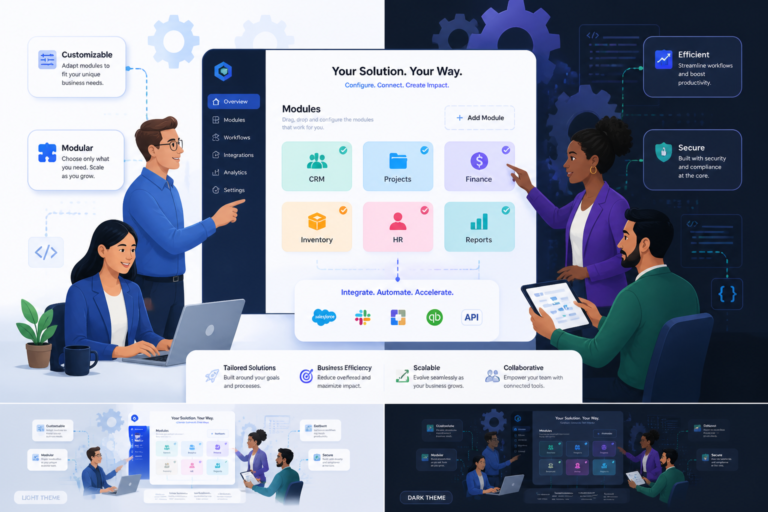
In today’s competitive landscape, businesses must adapt quickly to changing demands. One effective way to achieve this is through custom software. This tailored solution allows organizations to meet their specific needs, ultimately driving efficiency and productivity. In this article, we will explore what custom software is, its benefits, and how it can transform your business.
Understanding Custom Software
Custom software is designed specifically for a particular organization or user. Unlike off-the-shelf software, which is created for a wide audience, custom solutions are tailored to address unique business challenges. Therefore, they can provide features and functionalities that align closely with the company’s objectives.
Benefits of Custom Software
Investing in custom software can yield significant advantages for businesses. To illustrate, here are some key benefits:
- Improved Operational Efficiency: Custom software streamlines processes, reducing bottlenecks and enhancing productivity.
- Scalability: As your business grows, custom solutions can be adjusted to accommodate increased demand.
- Precise Alignment with Business Needs: Tailored software ensures that all functionalities directly support your operational goals.
- Enhanced Data Security: Custom solutions provide a higher level of security, protecting sensitive business information.
- Competitive Edge: Unique features in custom software can give your business an advantage over competitors using generic solutions.
When to Consider Custom Software
While off-the-shelf solutions can be effective for many businesses, there are specific scenarios where custom software becomes essential. For instance:
- If your business has unique processes that existing software cannot address.
- When you require specific integrations with other systems.
- If you need to differentiate your services in a competitive market.
Comparing Custom Software to Off-the-Shelf Solutions
Choosing between custom and off-the-shelf software can be challenging. Here are some considerations:
- Cost: Custom software may have a higher initial investment but can save money in the long run by reducing operational inefficiencies.
- Flexibility: Custom solutions can be modified as your business evolves, unlike off-the-shelf products that may lack this adaptability.
- Support: Custom software typically comes with dedicated support, ensuring any issues are resolved quickly.
Implementation Considerations
Implementing custom software requires careful planning. Here are steps to guide you through the process:
- Identify Your Needs: Assess the specific challenges your business faces and the features you require.
- Choose a Development Partner: Select a reputable software development company with experience in your industry.
- Set a Budget: Determine how much you are willing to invest in custom software development.
- Monitor Progress: Stay involved throughout the development process to ensure the solution meets your expectations.
Real-World Examples of Custom Software Success
Many organizations have successfully implemented custom software solutions. For instance, a logistics company might develop a tailored inventory management system to streamline operations and enhance tracking capabilities. Similarly, a healthcare provider could create a custom patient management system that integrates with existing electronic health records, improving service delivery and patient care.
Conclusion
In summary, custom software can significantly enhance business efficiency by addressing specific operational needs. By investing in tailored solutions, organizations can improve productivity, security, and competitive positioning. Therefore, if your business faces unique challenges that off-the-shelf software cannot solve, consider exploring custom software development.
Frequently Asked Questions
Below are some common questions about custom software:
- What is the main difference between custom built software and off-the-shelf solutions?
Custom built software is specifically designed to meet the unique needs of a business, offering tailored features and flexibility, whereas off-the-shelf solutions are generic products intended for a broad audience and may require additional customization. - When should a business consider developing custom software?
A business should consider custom software when existing solutions do not fully address its unique processes, require specific integrations, or aim for a competitive advantage through tailored functionalities. - What are the key benefits of investing in custom software development?
Key benefits include improved operational efficiency, scalability, precise alignment with business needs, enhanced data security, and a competitive edge through unique features.
For more insights on custom software and its impact on business efficiency, visit our related articles: