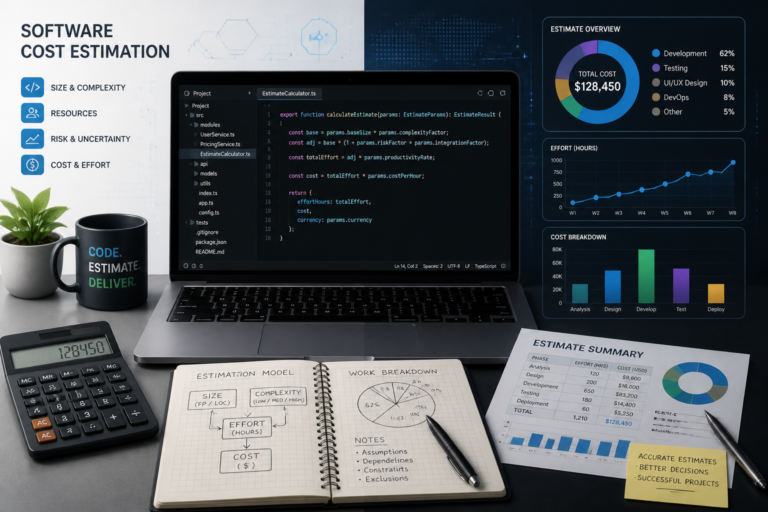
When considering custom software, one of the most pressing questions is, “What will it cost?” Understanding the estimating cost of custom software is essential for making informed decisions. This guide will provide practical insights into the factors that influence costs and how to effectively budget for your project.
Moreover, to enhance your business operations, consider integrating the Agentic Consultant, Product Rep, & Customer Service Agent by XoBytes. This AI-powered tool not only acts as a product representative but also serves as a customer service agent, streamlining your customer interactions and providing a hands-free voice assistant for your website.
Understanding Custom Software Development Costs
Estimating the cost of custom software involves several key factors. First, you need to assess the complexity of your project. Complex projects require more time and resources, which directly impacts the budget. Additionally, the technology stack you choose plays a significant role in determining costs. For instance, developing software using cutting-edge technologies may involve higher expenses due to specialized skills needed.
Another crucial aspect is the development team. The rates charged by developers can vary significantly based on their experience, location, and expertise. For example, hiring a top-tier developer may cost more, but it can lead to a more efficient and successful project outcome.
To make this easier, here are some of the primary factors to consider when estimating the cost of custom software:
- Project Scope: Define the features and functionalities you need.
- Technology Stack: Choose the right technologies that suit your project.
- Development Team: Assess the skill level and location of your development team.
- Timeframe: Consider how quickly you need the project completed.
Common Cost Estimation Models
There are several models for estimating the cost of custom software development. These include:
- Fixed Price Model: This model is suitable for projects with a well-defined scope. You agree on a fixed price with the developers, which can help with budgeting.
- Time and Materials Model: In this scenario, you pay for the developers’ time and the materials used. This model is ideal for projects where the scope may change.
- Dedicated Team Model: This involves hiring a dedicated team of developers for your project. You pay a monthly fee for their services, which can be beneficial for long-term projects.
Each model has its advantages and disadvantages. Therefore, choose the one that best fits your project’s needs.
Integrating AI Solutions into Your Custom Software
As businesses increasingly adopt technology, integrating AI solutions can significantly enhance your custom software. For instance, the Agentic Consultant offers a smart AI product representative that can engage with customers effectively. This tool not only improves customer service but also reduces the workload on your team.
Furthermore, AI can help automate various processes, leading to increased efficiency and lower operational costs. However, it’s essential to assess whether AI solutions align with your business objectives before implementation.
Tips for Budgeting Your Custom Software Project
To effectively budget for your custom software project, consider the following tips:
- Define Your Requirements: Clearly outline what you need from your software.
- Research Costs: Investigate the costs associated with each component of your project.
- Include Contingency Funds: Always allocate a portion of your budget for unexpected expenses.
- Review and Revise: Regularly review your budget and make adjustments as necessary.
Conclusion
Estimating the cost of custom software is a crucial process that requires careful consideration of various factors. By understanding these factors and employing effective budgeting strategies, you can ensure the success of your project. Additionally, integrating AI solutions like the Agentic Consultant can further enhance your software’s capabilities, providing a smarter approach to customer interactions.
Understanding the Return on Investment (ROI) of Custom Software
When estimating the cost of custom software, it’s equally important to consider the potential return on investment (ROI). Custom software can lead to significant cost savings and increased revenue over time. Here are some key points to consider:
- Efficiency Gains: Custom software can automate repetitive tasks, reducing labor costs and allowing employees to focus on higher-value activities.
- Improved Customer Satisfaction: Tailored solutions can enhance user experience, leading to higher customer retention and satisfaction rates.
- Scalability: Custom software can grow with your business, allowing for easier updates and feature additions without the need for a complete overhaul.
To calculate ROI, consider the formula:
ROI = (Net Profit / Cost of Investment) x 100
By understanding the potential ROI, you can justify the initial costs associated with custom software development.
Practical Examples of Custom Software Costs
To provide a clearer picture, here are some practical examples of cost estimates based on different types of custom software projects:
- Simple Mobile Application: Estimated cost ranges from $10,000 to $50,000. This includes basic features like user authentication, data storage, and simple UI/UX design.
- Complex Web Application: Costs can range from $50,000 to $200,000, depending on features like user roles, advanced analytics, and integrations with third-party services.
- Enterprise Resource Planning (ERP) System: Developing a comprehensive ERP system can start at $100,000 and go up to $500,000 or more, depending on the scale and customization required.
Related XoBytes Products

Agentic Consultant, Product Rep, & Customer Service Agent By XoBytes.com
$19.99
Agentic Consultant for WordPress gives your website a smart AI product rep, customer service agent, and hands-free voice…
Agentic Support Desk for WordPress by XoBytes.com
$19.99
Agentic Support Desk by Xobytes is an AI-powered WordPress support desk built for software sellers, WooCommerce stores, agencies,…

Agent Shield by XoBytes | Protect against agentic software
$25.00
AgentShield is a WordPress AI Agent Firewall that helps detect, monitor, block, and temporarily ban AI crawlers, AI…
Tamper Guard by XoBytes | WordPress Plugin Tamper Detector
$25.00
Protect your commercial WordPress plugins with license-based tamper detection, file integrity monitoring, automatic shutdown protection, and site reporting.…
License manager for WooCommerce by XoBytes.com
$25.00
Xobytes License Manager for WooCommerce is a powerful WooCommerce license manager plugin that lets you sell software licenses,…

Plugin Update Server for WordPress by XoBytes.com
$25.00
Plugin Update Server by XoBytes lets WordPress plugin sellers deliver private plugin updates directly to customer dashboards. Upload…
Product 1 of 6
These examples highlight how project complexity and required features can significantly impact overall costs.
Steps to Implement Custom Software Development
Once you’ve estimated the cost and decided to move forward, follow these implementation steps to ensure a smooth development process:
- Define Your Goals: Clearly articulate what you want to achieve with the custom software.
- Choose the Right Development Partner: Research and select a development team that aligns with your project needs and budget.
- Create a Detailed Project Plan: Outline the project scope, timeline, and milestones to keep the development on track.
- Conduct Regular Reviews: Schedule regular check-ins to assess progress and make necessary adjustments.
- Test Thoroughly: Implement rigorous testing phases to identify and fix issues before the software goes live.
- Gather Feedback: After launch, collect user feedback to make improvements and updates.
Following these steps will help you manage your custom software project effectively and ensure that it meets your business needs.
Comparing Custom Software with Off-the-Shelf Solutions
When estimating the cost of custom software, it’s crucial to compare it with off-the-shelf solutions. Here are some factors to consider:
- Customization: Custom software is tailored to your specific needs, while off-the-shelf solutions may require compromises.
- Initial Costs: Off-the-shelf software typically has lower upfront costs, but may involve ongoing licensing fees.
- Long-term Value: Custom software can provide better long-term value if it meets your business needs more effectively than off-the-shelf options.
Ultimately, the decision should be based on your unique business requirements, budget constraints, and long-term goals.
Key Considerations for Choosing Development Partners
Selecting the right development partner is crucial for the success of your custom software project. Here are some key considerations to keep in mind:
- Experience and Expertise: Look for a partner with a proven track record in developing similar software solutions. Check their portfolio and client testimonials.
- Technical Skills: Ensure that the development team is proficient in the technology stack you plan to use. This ensures better quality and efficiency in the development process.
- Communication: Effective communication is vital. Choose a partner that values transparency and keeps you updated throughout the project.
- Post-Launch Support: Inquire about the support they provide after the software is launched, including maintenance, updates, and troubleshooting.
Real-World Case Studies
Understanding how other businesses have approached custom software development can provide valuable insights. Here are a couple of real-world case studies:
Continue with Estimating Support Costs for Your Custom Software Project for additional XoBytes guidance.
Case Study 1: E-Commerce Platform
A mid-sized e-commerce company needed a custom platform to enhance their online sales. They estimated a budget of $75,000, which covered:
- Custom user interface design
- Integration with payment gateways
- Inventory management system
- User analytics tools
By investing in custom software, the company saw a 40% increase in sales within the first year due to improved user experience and streamlined operations.
Case Study 2: Healthcare Management System
A healthcare provider required a custom management system to handle patient records and appointments. The estimated cost was $200,000, which included:
- Data security measures compliant with healthcare regulations
- Patient portal for appointment scheduling
- Integration with existing medical devices
Post-implementation, the healthcare provider reported a 30% reduction in administrative costs and improved patient satisfaction scores.
Assessing Future Needs and Scalability
When estimating the cost of custom software, it’s important to consider not just your current needs but also future growth. Here are some tips to ensure scalability:
- Modular Design: Implement a modular architecture that allows for easy addition of features as your business grows.
- Cloud Solutions: Consider cloud-based solutions that can scale resources based on demand without significant upfront investment.
- Regular Updates: Plan for regular software updates to incorporate new technologies and features that align with evolving business needs.
Establishing Clear Milestones and Deliverables
To keep your custom software project on track, establish clear milestones and deliverables. This helps in managing timelines and expectations. Consider the following:
- Initial Prototype: Create a basic version of the software to validate ideas and gather feedback.
- Feature Completion: Set deadlines for completing specific features, ensuring that each one meets quality standards.
- Final Testing: Allocate time for thorough testing before the official launch to identify and resolve any issues.
Frequently Asked Questions
Below are some common questions regarding the cost of custom software:
- What factors influence the cost of custom software? Key factors include project complexity, technology stack, and development time.
- How can I estimate my software budget? Start by defining your requirements, then research costs for each component.
- Is custom software worth the investment? Yes, custom software can enhance efficiency and meet specific business needs.