Understanding the costs associated with custom software development is crucial for any business looking to invest in tailored solutions. In today’s digital landscape, many companies are turning to custom software to enhance efficiency and drive growth. However, determining how much a custom software project will cost can be quite challenging. Therefore, in this article, we will explore the various factors that affect custom software development costs.
Before diving into the details, it’s essential to mention that if you’re looking for a solution to enhance your customer interactions, consider the Agentic Consultant, Product Rep, & Customer Service Agent by XoBytes.com. This AI-powered tool serves as a smart product representative and customer service agent, making it easier for businesses to manage customer inquiries and improve engagement at just $19.99.
Key Factors Influencing Custom Software Development Costs
Several key factors influence the costs associated with custom software development. Understanding these factors will help you make informed decisions and budget effectively for your project.
- Project Complexity: The complexity of your project significantly impacts the overall cost. More complex projects require more time and resources, which can increase costs.
- Features and Functionality: The specific features you need will also affect the price. For example, integrating advanced functionalities like AI or machine learning can lead to higher costs.
- Technology Stack: The choice of technology stack plays a crucial role in determining costs. Some technologies may require specialized skills, which can be more expensive.
- Development Team Expertise: The experience and expertise of your development team will impact costs. Highly skilled developers typically charge more, but they may deliver better quality results.
- Geographical Location: The location of your development team can affect costs. For instance, hiring developers in regions with a lower cost of living can save money.
To make this easier, let’s break down these factors further.
1. Project Complexity
The complexity of your project is one of the most significant factors affecting the cost. Simple applications with basic functionalities will generally cost less to develop than complex systems that require extensive features, integrations, and customization. For example, a simple mobile app can cost significantly less than an enterprise-level software solution.
2. Features and Functionality
The features you want in your software will also play a crucial role in determining costs. Here are some features that can affect pricing:
- User authentication and authorization
- Integration with third-party services
- Custom reporting and analytics
- Mobile compatibility
- Data security measures
Each additional feature can increase development time and costs. Therefore, it’s essential to prioritize features based on your business needs.
3. Technology Stack
Choosing the right technology stack is another critical factor. Some technologies are more expensive to implement than others. Additionally, if your project requires cutting-edge technology, you may need to hire specialized developers, which can further increase costs.
4. Development Team Expertise
The skill level of your development team directly influences the project cost. While hiring less experienced developers may save you money upfront, it could result in higher costs down the line due to potential errors or lower quality work. Therefore, investing in a skilled team can lead to better outcomes and fewer issues.
5. Geographical Location
The geographical location of your development team can also affect costs. For example, outsourcing to countries with lower labor costs can significantly reduce your budget. However, you may face challenges with time zone differences and communication barriers.
For more insights on budgeting for custom software development, check out our Comprehensive Guide to Custom Software Development Costs and Key Factors.
Understanding the True Cost of Custom Software Development
When budgeting for custom software development, it’s essential to consider not just the initial development costs but also ongoing expenses. These may include:
- Maintenance and updates
- Hosting and infrastructure
- Support and training
Additionally, understanding the total cost of ownership (TCO) is crucial. TCO includes all costs associated with the software over its entire lifecycle, helping you make more informed financial decisions.
Why Choose Custom Software Development?
Investing in custom software development can provide numerous benefits, including:
- Tailored solutions that meet specific business needs
- Improved efficiency and productivity
- Enhanced user experience
- Increased competitive advantage
Related XoBytes Products

Agentic Consultant, Product Rep, & Customer Service Agent By XoBytes.com
$19.99
Agentic Consultant for WordPress gives your website a smart AI product rep, customer service agent, and hands-free voice…
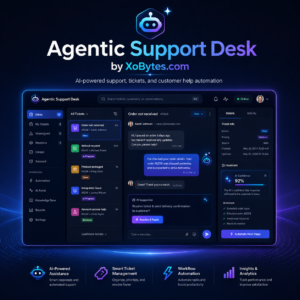
Agentic Support Desk for WordPress by XoBytes.com
$19.99
Agentic Support Desk by Xobytes is an AI-powered WordPress support desk built for software sellers, WooCommerce stores, agencies,…

Agent Shield by XoBytes | Protect against agentic software
$25.00
AgentShield is a WordPress AI Agent Firewall that helps detect, monitor, block, and temporarily ban AI crawlers, AI…
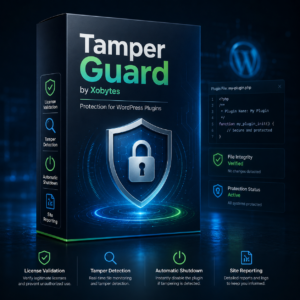
Tamper Guard by XoBytes | WordPress Plugin Tamper Detector
$25.00
Protect your commercial WordPress plugins with license-based tamper detection, file integrity monitoring, automatic shutdown protection, and site reporting.…
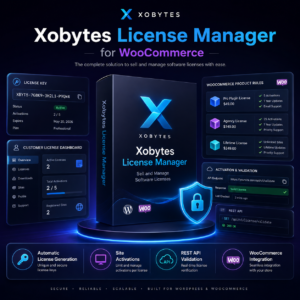
License manager for WooCommerce by XoBytes.com
$25.00
Xobytes License Manager for WooCommerce is a powerful WooCommerce license manager plugin that lets you sell software licenses,…

Plugin Update Server for WordPress by XoBytes.com
$25.00
Plugin Update Server by XoBytes lets WordPress plugin sellers deliver private plugin updates directly to customer dashboards. Upload…
Product 1 of 6
Moreover, custom software can scale with your business, adapting to changing needs and market conditions. Therefore, it is often a worthwhile investment for businesses looking to grow and succeed.
Conclusion
In conclusion, understanding the factors that affect custom software development costs is essential for effective budgeting and decision-making. By considering project complexity, required features, technology stack, development team expertise, and geographical location, you can make informed choices that align with your business goals.
If you’re ready to enhance your customer interactions and streamline your operations, consider investing in the Agentic Consultant, Product Rep, & Customer Service Agent by XoBytes.com. This powerful tool is designed to help businesses engage customers effectively and improve overall service quality.
With a clear understanding of the costs and factors involved, you can embark on your custom software development journey with confidence.
Additional Cost Considerations
Beyond the primary factors affecting custom software development costs, there are several additional considerations that can influence your budget. Understanding these nuances can help you prepare for unexpected expenses and ensure a smoother development process.
1. Integration with Existing Systems
If your custom software needs to integrate with existing systems, such as CRM or ERP solutions, this can significantly impact the overall cost. The complexity of these integrations can vary widely and may require additional development time and resources.
Continue with Understanding Custom Software Development: Benefits, Costs, and Key Factors for additional XoBytes guidance.
- Assessment of Current Systems: Evaluate the compatibility of your existing systems with the new software.
- API Development: Custom APIs may need to be developed, which can add to costs.
- Testing: Extensive testing will be necessary to ensure seamless integration, adding to the timeline and budget.
2. User Experience (UX) Design
Investing in quality UX design can enhance user satisfaction and adoption rates. However, it also adds to the development costs. Here are some aspects to consider:
- Research and Testing: User research and usability testing can uncover valuable insights but require additional time and resources.
- Prototyping: Creating prototypes can help visualize the software but adds to upfront costs.
- Iterative Design: A feedback loop for iterative design can lead to better outcomes but may extend the project timeline.
3. Compliance and Security Requirements
Depending on your industry, compliance with regulations such as GDPR or HIPAA may necessitate additional security measures, which can increase costs. Consider the following:
- Data Encryption: Implementing robust encryption methods can be costly but is essential for protecting sensitive data.
- Regular Audits: Compliance may require regular security audits, adding to long-term costs.
- Documentation: Proper documentation for compliance can also incur costs during development.
4. Post-Launch Support and Maintenance
After the software is developed and launched, ongoing support and maintenance are crucial to ensure its success. Consider the following:
- Bug Fixes: Allocate budget for fixing bugs that may arise after launch.
- Updates: Regular updates may be necessary to keep the software aligned with changing technologies and user needs.
- User Support: Providing user support can enhance customer satisfaction but requires dedicated resources.
5. Choosing the Right Development Methodology
The development methodology you choose can also affect costs. Here are some common methodologies:
- Agile: Agile development allows for flexibility and iterative improvements, but it may require more frequent communication and collaboration, impacting costs.
- Waterfall: The Waterfall approach is more linear and can be less flexible, potentially leading to higher costs if changes are needed later in the process.
- DevOps: Incorporating DevOps practices can streamline development and deployment but may require investment in tools and training.
Conclusion
By considering these additional cost factors, businesses can better prepare for the financial implications of custom software development. A comprehensive understanding of all potential expenses will enable you to create a more accurate budget and ensure the successful delivery of your software project.
Frequently Asked Questions
Here are some common questions related to custom software development costs:
- What are the main factors affecting custom software development costs?
Factors include project complexity, required features, team expertise, and technology stack. - How can I budget for custom software development?
Consider all potential costs, including design, development, testing, and maintenance. - Is custom software development worth the investment?
Yes, it can enhance efficiency and meet specific business needs effectively.