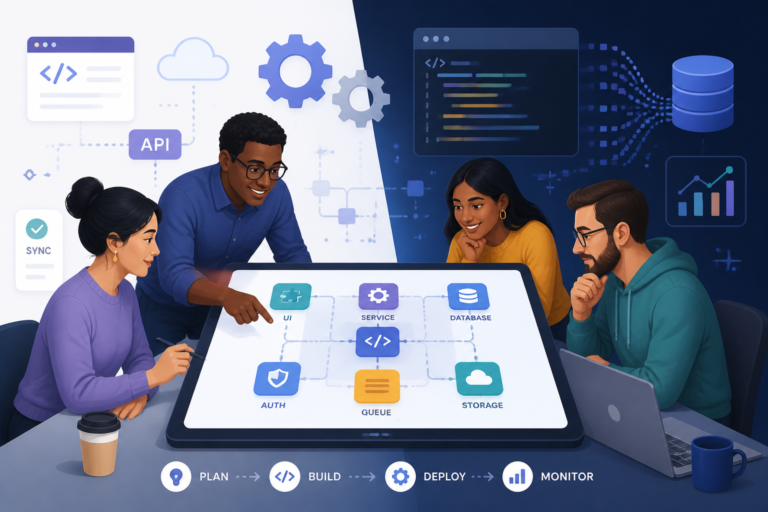
In today’s digital landscape, custom software development has become an essential strategy for businesses seeking to enhance efficiency and drive growth. However, understanding the costs and key factors involved can be challenging. This comprehensive guide aims to demystify custom software development costs and provide actionable insights for effective budgeting and planning.
Understanding Custom Software Development
Custom software development refers to the process of creating tailored software solutions that meet specific business needs. Unlike off-the-shelf software, custom solutions are designed to address unique challenges faced by an organization. Therefore, investing in custom software can lead to significant advantages, including improved efficiency, better user experience, and enhanced scalability.
Key Factors Influencing Custom Software Development Costs
When planning a custom software project, it is crucial to understand the various factors that can influence development costs. To make this easier, here are the key factors to consider:
- Project Scope: The size and complexity of the project directly affect costs. A larger scope usually requires more resources and time.
- Technology Stack: The choice of technologies impacts development costs. Advanced technologies may require specialized skills, which can increase expenses.
- Team Size: A larger development team can expedite the project but may also lead to higher costs. Balancing team size with efficiency is essential.
- Development Duration: Longer development timelines can lead to increased costs due to extended resource allocation. Efficient planning can help minimize this.
- Integration Requirements: If the software needs to integrate with existing systems, additional development and testing may be required, impacting costs.
For further insights on these factors, you can check out our article on Understanding the Key Factors That Influence Custom Software Development Rates.
Estimating Custom Software Development Costs
Accurately estimating the cost of a custom software project involves several steps. First, you need to define your requirements clearly. This includes identifying the functionalities you want, the target audience, and the overall goals of the software. Next, consider evaluating similar projects to gain insights into potential costs.
Additionally, consulting with experienced developers can provide valuable insights into the expected costs based on your specifications. Finally, do not forget to factor in ongoing maintenance costs, as these can significantly impact your overall budget.
Best Practices for Budgeting Custom Software Development
Managing a budget for custom software development requires careful planning. Here are some best practices to follow:
- Define a Clear Scope: Ensure that you have a well-defined project scope to avoid unexpected costs later on.
- Adopt Iterative Development: Use an agile approach to deliver the project in phases, allowing for adjustments based on feedback.
- Regular Progress Reviews: Hold regular meetings to review progress and make necessary adjustments to stay on budget.
- Contingency Planning: Set aside a portion of your budget for unforeseen expenses.
By following these practices, you can better manage your budget and expectations throughout the development process.
How Project Scope and Complexity Affect Costs
The complexity of the project scope is a significant determinant of development costs. Projects that involve intricate functionalities or require advanced technologies often incur higher costs due to the need for specialized skills and longer development times. Therefore, it is essential to assess the complexity of your project and align it with your budget.
Product Showcase
To assist businesses in their software development journey, we recommend exploring our Agentic Support Desk for WordPress, which offers AI-powered customer support solutions. This tool can enhance your customer service capabilities and streamline operations.
Conclusion
In conclusion, understanding the costs and key factors involved in custom software development is crucial for businesses aiming to invest in tailored solutions. By defining your project scope, evaluating your needs, and following best practices for budgeting, you can ensure a successful development process. Remember to consult with experienced developers and continuously review your project to avoid unexpected costs.
Related XoBytes Products

Agentic Consultant, Product Rep, & Customer Service Agent By XoBytes.com
$19.99
Agentic Consultant for WordPress gives your website a smart AI product rep, customer service agent, and hands-free voice…

Agentic Construction Theme | More than just a theme | Built for all trades
$49.99
Why You Need This Theme And Plugin! Click here for the Demo Agentic Construction Theme by XoBytes is…
Agentic Support Desk for WordPress by XoBytes.com
$19.99
Agentic Support Desk by Xobytes is an AI-powered WordPress support desk built for software sellers, WooCommerce stores, agencies,…
License manager for WooCommerce by XoBytes.com
$25.00
Xobytes License Manager for WooCommerce is a powerful WooCommerce license manager plugin that lets you sell software licenses,…

Agent Shield by XoBytes | Protect against agentic software
$25.00
AgentShield is a WordPress AI Agent Firewall that helps detect, monitor, block, and temporarily ban AI crawlers, AI…
Tamper Guard by XoBytes | WordPress Plugin Tamper Detector
$25.00
Protect your commercial WordPress plugins with license-based tamper detection, file integrity monitoring, automatic shutdown protection, and site reporting.…
Product 1 of 6
Understanding the Different Pricing Models
When budgeting for custom software development, it’s important to understand the various pricing models available. Each model has its own advantages and disadvantages, making it crucial to choose one that aligns with your project’s needs and budget.
- Fixed Price Model: This model is suitable for projects with a well-defined scope and requirements. The total cost is agreed upon upfront, which can help in budgeting but may limit flexibility for changes.
- Time and Materials Model: This model charges based on the actual time spent and materials used. It is ideal for projects with evolving requirements, as it allows for adjustments during development.
- Dedicated Team Model: In this model, a dedicated team is assigned to your project for a specified period. This is beneficial for long-term projects requiring ongoing development and support.
Cost Breakdown of Custom Software Development
To gain a clearer understanding of custom software development costs, it’s helpful to break down the expenses into specific categories. Here’s a typical cost breakdown:
Continue with Understanding Custom Software Development: Benefits, Costs, and Key Factors for additional XoBytes guidance.
- Planning and Research: 10-15% of total costs. This phase includes requirement gathering, market research, and feasibility studies.
- Design: 15-20% of total costs. This includes UI/UX design, wireframing, and prototyping.
- Development: 40-60% of total costs. This is the most significant portion, covering coding, testing, and integration.
- Deployment: 5-10% of total costs. This phase involves launching the software and ensuring it operates correctly in the live environment.
- Maintenance and Support: 10-20% of total costs annually. Ongoing updates, bug fixes, and user support fall under this category.
Comparing In-House vs. Outsourced Development
Deciding whether to develop software in-house or outsource the project can significantly impact costs and outcomes. Here are some factors to consider:
- Cost: Outsourcing can often be more cost-effective, especially if you lack the necessary skills in-house. However, in-house development may provide better control over the project.
- Expertise: Outsourced teams may have specialized skills and experience that your in-house team lacks, potentially leading to higher quality software.
- Communication: In-house teams may communicate more effectively, reducing misunderstandings and project delays. Outsourcing can introduce challenges due to time zone differences and cultural barriers.
Implementation Steps for Custom Software Development
To ensure a smooth custom software development process, follow these implementation steps:
- Define Your Goals: Clearly outline what you want to achieve with the software.
- Conduct a Feasibility Study: Assess the technical and financial viability of your project.
- Choose the Right Development Team: Select a team with the necessary expertise and experience.
- Develop a Prototype: Create a prototype to visualize the software and gather feedback.
- Iterate Based on Feedback: Use feedback from stakeholders to make necessary adjustments before full-scale development.
- Launch and Monitor: Deploy the software and continuously monitor its performance for any issues.
Decision Criteria for Selecting a Development Partner
Choosing the right development partner is critical for the success of your custom software project. Here are key decision criteria to consider:
- Technical Expertise: Ensure the partner has experience with the technologies and platforms you plan to use.
- Portfolio and References: Review their past projects and client testimonials to assess their capabilities.
- Communication Skills: Effective communication is essential for collaboration and project success.
- Post-Launch Support: Inquire about their maintenance and support services after the software is launched.
Frequently Asked Questions
Here are some common questions regarding custom software development:
- What are the main factors that influence the cost of custom software development? Key factors include project scope, complexity, technology stack, team size, development duration, and integration requirements.
- How can I accurately estimate the cost of my custom software project? Start by defining detailed requirements, evaluating similar projects, consulting with experienced developers, and considering ongoing maintenance costs.
- What are best practices for managing budget and expectations in custom software projects? Prioritize clear scope definition, iterative development, regular progress reviews, and contingency planning to control costs and expectations.
- How do development duration and team size affect project costs? Longer development timelines and larger teams typically increase costs; efficient planning and scope management help optimize budget.