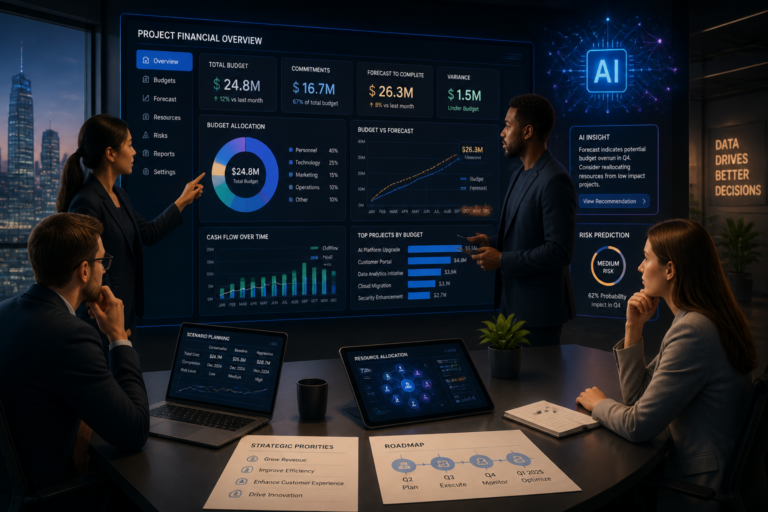
Budgeting for a custom software project can be a complex task. However, with the right strategies, you can manage your resources effectively and ensure a successful outcome. One effective way to enhance your budgeting process is by utilizing tools like the Agentic Consultant, Product Rep, & Customer Service Agent by XoBytes.com. This AI-powered solution acts as a smart product representative and customer service agent, helping you streamline your project operations and enhance customer engagement.
In this article, we will explore how to budget effectively for your custom software project, focusing on the key components that influence costs, common pitfalls to avoid, and actionable tips to keep your budget on track. By understanding these elements, you can make informed decisions that support your project’s success.
Understanding the Importance of Budgeting for Custom Software Projects
Effective budgeting is crucial for any custom software project. It not only helps you allocate resources efficiently but also provides a roadmap for managing expenses throughout the development lifecycle. Moreover, a well-planned budget can help you anticipate challenges and make necessary adjustments to ensure the project stays on track.
To illustrate, consider the following key reasons why budgeting is essential:
- Resource Allocation: A clear budget allows you to allocate resources where they are needed most, ensuring that critical components of your project receive the necessary funding.
- Risk Management: Budgeting helps identify potential risks and enables you to set aside contingency funds to address unforeseen challenges.
- Performance Tracking: A well-defined budget allows you to track expenses against projections, providing insights into your project’s financial health.
Key Components of a Custom Software Project Budget
When budgeting for a custom software project, several key components should be considered. To make this easier, here are the essential elements to include:
- Project Scope: Clearly define the project scope, including features, functionalities, and timelines. This will help you estimate costs more accurately.
- Development Costs: Include costs associated with hiring developers, designers, and other professionals needed to bring your project to life.
- Support and Maintenance: Consider ongoing support and maintenance costs to ensure your software remains functional and up-to-date after launch.
- Contingency Fund: Set aside a percentage of your budget for unforeseen expenses that may arise during the project.
- Marketing and Launch Costs: Don’t forget to factor in costs related to marketing and launching your software product.
Common Pitfalls to Avoid When Budgeting
While budgeting is crucial, there are common pitfalls that can derail your project. Therefore, it’s essential to be aware of these mistakes:
- Underestimating Costs: Failing to account for all potential expenses can lead to budget overruns. Always conduct thorough research and consult with experts.
- Neglecting Ongoing Maintenance: Many businesses overlook the importance of budgeting for ongoing support and maintenance, which can lead to increased costs down the line.
- Ignoring Scope Changes: As projects progress, changes in scope are common. Failing to adjust your budget accordingly can create significant financial strain.
Strategies for Effective Budget Management
To ensure your budget remains effective throughout the project lifecycle, consider implementing the following strategies:
- Regular Budget Reviews: Schedule regular reviews of your budget to compare actual expenses with projected costs. This will help you identify any discrepancies early on.
- Engage Stakeholders: Involve key stakeholders in the budgeting process to ensure that all perspectives are considered and that everyone is aligned on financial goals.
- Utilize Budgeting Tools: Leverage tools and software to assist in budget management. For example, the Agentic Consultant can help streamline your budgeting process by providing insights and automating certain tasks.
Dedicated Product Section: Agentic Consultant
The Agentic Consultant is a powerful tool designed to enhance your custom software project experience. For just $19.99, this AI product representative and customer service agent can revolutionize how you manage your project. Here’s how:
- Smart Assistance: The Agentic Consultant acts as a hands-free voice assistant, providing real-time support and insights.
- Customer Engagement: It enhances customer interactions, ensuring that queries are addressed promptly and efficiently.
- Cost-Effective: By automating customer service tasks, it helps you save on staffing costs while improving overall service quality.
Related XoBytes Products

Agentic Consultant, Product Rep, & Customer Service Agent By XoBytes.com
$19.99
Agentic Consultant for WordPress gives your website a smart AI product rep, customer service agent, and hands-free voice…
Agentic Support Desk for WordPress by XoBytes.com
$19.99
Agentic Support Desk by Xobytes is an AI-powered WordPress support desk built for software sellers, WooCommerce stores, agencies,…

Agent Shield by XoBytes | Protect against agentic software
$25.00
AgentShield is a WordPress AI Agent Firewall that helps detect, monitor, block, and temporarily ban AI crawlers, AI…

Agentic Construction Theme | More than just a theme | Built for all trades
$49.99
Why You Need This Theme And Plugin! Click here for the Demo Agentic Construction Theme by XoBytes is…
Tamper Guard by XoBytes | WordPress Plugin Tamper Detector
$25.00
Protect your commercial WordPress plugins with license-based tamper detection, file integrity monitoring, automatic shutdown protection, and site reporting.…
License manager for WooCommerce by XoBytes.com
$25.00
Xobytes License Manager for WooCommerce is a powerful WooCommerce license manager plugin that lets you sell software licenses,…
Product 1 of 6
This product is ideal for businesses looking to optimize their customer service operations without the need for extensive additional resources. However, it may not be suitable for very small businesses that do not require advanced customer support solutions.
To explore more about this product, visit the Agentic Consultant page now!
Conclusion
In conclusion, budgeting for a custom software project is a multifaceted process that requires careful planning and consideration. By understanding the key components of budgeting, avoiding common pitfalls, and implementing effective management strategies, you can set your project up for success. Additionally, leveraging tools like the Agentic Consultant can streamline your operations and enhance customer interactions, ultimately leading to a more successful project outcome.
Establishing a Realistic Timeline
When budgeting for your custom software project, it’s crucial to establish a realistic timeline. A well-defined timeline not only helps in managing costs but also ensures that the project stays on track. Here’s how to create an effective timeline:
- Define Milestones: Break down the project into smaller, manageable milestones. This will help you track progress and make adjustments as needed.
- Estimate Time for Each Phase: Assign estimated timeframes for each milestone. Consider factors like development, testing, and feedback loops.
- Account for Delays: Build in buffer time for unexpected delays. This will help you avoid budget overruns due to time constraints.
Comparing Development Approaches
Different development approaches can significantly impact your budget. Here’s a comparison of common methodologies:
Continue with Mastering Budgeting for Custom Software Projects: Rate Factors Explained for additional XoBytes guidance.
- Agile Development: This approach allows for flexibility and iterative progress. While it can lead to increased costs if scope changes frequently, it often results in a better product as it incorporates continuous feedback.
- Waterfall Development: A linear approach that is easier to budget for due to its fixed phases. However, it can be less adaptable to changes, which might lead to higher costs if adjustments are needed later in the process.
- Hybrid Approach: Combining elements of both Agile and Waterfall can provide a balanced solution. This method allows for flexibility while maintaining a structured budget framework.
Implementing Cost Control Measures
To keep your budget in check, consider implementing the following cost control measures:
- Set Clear Budget Limits: Establish clear budget limits for each phase of the project and communicate these to all team members.
- Monitor Expenses Regularly: Use project management tools to track expenses in real-time. This will help you identify any areas where costs are exceeding expectations.
- Review Vendor Contracts: Regularly review contracts with vendors and service providers to ensure you are getting the best rates and terms.
Engaging with Development Teams
Effective communication with your development team is essential for staying within budget. Here are some tips for engaging with them:
- Regular Check-ins: Schedule regular meetings to discuss progress and any potential budget impacts.
- Encourage Transparency: Foster an environment where team members feel comfortable discussing challenges that may affect the budget.
- Collaborative Problem Solving: When budget issues arise, work together with your team to find solutions rather than assigning blame.
Evaluating Post-Launch Costs
Once your software project is launched, it’s important to continue evaluating costs. Consider the following:
- Ongoing Maintenance: Budget for regular updates and maintenance to ensure your software remains functional and secure.
- User Feedback: Gather user feedback post-launch to identify areas for improvement, which may require additional budget allocation.
- Marketing and Support: Don’t forget to budget for marketing efforts and customer support to maximize user adoption and satisfaction.
Frequently Asked Questions
Here are some common questions related to budgeting for custom software projects:
- What are the key components of budgeting for a custom software project? Key components include project scope, development costs, support and maintenance, and unforeseen expenses.
- How can I estimate the costs for my software project? Start by defining your project requirements, then research similar projects and consult with development teams.
- What are common mistakes to avoid in software project budgeting? Avoid underestimating costs, neglecting ongoing maintenance, and failing to plan for scope changes.
- How can I ensure my budget remains flexible? Include a contingency fund and regularly review your budget against project milestones.
- Is it necessary to hire a consultant for budgeting? While not necessary, hiring a consultant can provide valuable insights and help avoid costly mistakes.