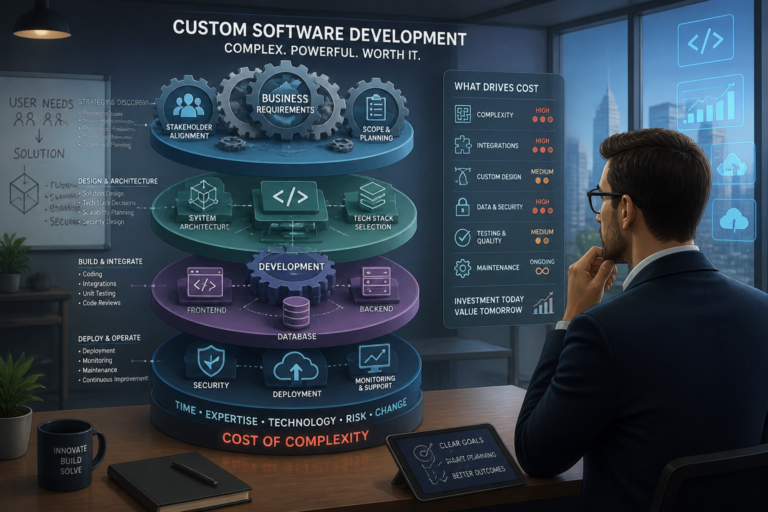
In today’s fast-paced business environment, understanding the true cost of custom software development is crucial for making informed decisions. As companies increasingly rely on technology to enhance operations, custom software solutions have become a vital component of strategic growth. However, many organizations struggle to grasp the comprehensive costs associated with developing tailored software. Therefore, this article aims to clarify these costs and provide insights into budgeting for custom software development in 2026.
Moreover, as businesses navigate this landscape, tools like the Agentic Consultant, Product Rep, & Customer Service Agent by XoBytes can significantly enhance their operations. Priced at $19.99, this innovative AI solution serves as a smart product representative, customer service agent, and hands-free voice assistant—all integrated into your website. This tool not only streamlines customer interactions but also reduces the workload on your support team, allowing them to focus on more complex issues.
Breaking Down the Costs of Custom Software Development
To understand the true cost of custom software development, it is essential to consider several key factors:
- Project Scope: The complexity and breadth of the project will significantly influence costs. A more extensive project requiring multiple features will naturally demand a higher investment.
- Technology Stack: The choice of technology can impact both development time and cost. For instance, using a more advanced technology might require specialized skills, thus increasing expenses.
- Development Team: The location and expertise of your development team play a crucial role in determining costs. Teams based in regions with higher living costs typically charge more.
- Maintenance and Support: Post-launch support and maintenance can add to the total cost. It’s vital to plan for these ongoing expenses to ensure smooth operation.
Initial Development Costs
Initially, the development costs can vary widely depending on the factors discussed above. For example, a simple application might range from $10,000 to $50,000, while a more complex project could escalate to $100,000 or more. Therefore, it is essential to have a clear understanding of your project requirements and budget accordingly.
Project Complexity
As a result of project complexity, costs can also vary based on the number of features and integrations needed. For instance, a software solution with user authentication, payment processing, and third-party API integrations will require more time and resources compared to a basic application.
Choosing the Right Development Partner
Choosing the right development partner is crucial. A skilled development team can provide valuable insights and help you avoid common pitfalls, ultimately saving you time and money. To make an informed choice, consider factors such as:
- Experience in your industry
- Portfolio of past projects
- Client testimonials and reviews
Ongoing Costs of Custom Software Development
In addition to initial development costs, businesses must account for ongoing expenses. These include:
- Maintenance: Regular updates and bug fixes are necessary to keep the software running smoothly.
- Support: Providing customer support can incur costs, especially if you hire dedicated personnel.
- Scaling: As your business grows, you may need to add new features or capabilities, which can lead to additional costs.
Therefore, when budgeting for custom software development, it’s vital to consider these ongoing expenses to avoid surprises down the line.
Why Invest in Custom Software?
Investing in custom software offers numerous benefits that can justify the costs. For example:
- Tailored Solutions: Custom software is designed specifically for your business needs, ensuring it meets your requirements perfectly.
- Enhanced Efficiency: By automating processes, custom software can streamline operations and improve productivity.
- Scalability: Custom solutions can grow with your business, allowing you to add features as needed without starting from scratch.
Product Spotlight: Agentic Consultant, Product Rep, & Customer Service Agent
The Agentic Consultant is an excellent example of how custom software can enhance business operations. This AI-driven tool serves as a product representative and customer service agent, enabling businesses to provide exceptional customer support without the need for constant human oversight.
With features like voice assistance, real-time customer interaction, and seamless integration into your WordPress site, the Agentic Consultant is ideal for businesses looking to improve efficiency and customer satisfaction. It is especially beneficial for e-commerce platforms where customer interaction is crucial.
Related XoBytes Products

Agentic Consultant, Product Rep, & Customer Service Agent By XoBytes.com
$19.99
Agentic Consultant for WordPress gives your website a smart AI product rep, customer service agent, and hands-free voice…
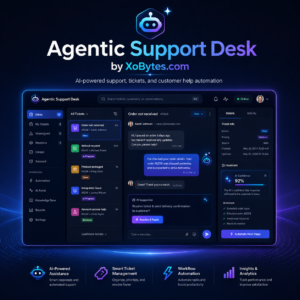
Agentic Support Desk for WordPress by XoBytes.com
$19.99
Agentic Support Desk by Xobytes is an AI-powered WordPress support desk built for software sellers, WooCommerce stores, agencies,…

Agent Shield by XoBytes | Protect against agentic software
$25.00
AgentShield is a WordPress AI Agent Firewall that helps detect, monitor, block, and temporarily ban AI crawlers, AI…
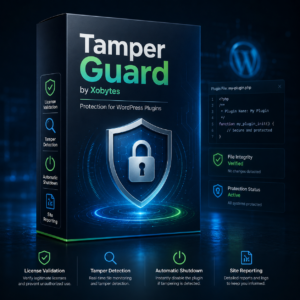
Tamper Guard by XoBytes | WordPress Plugin Tamper Detector
$25.00
Protect your commercial WordPress plugins with license-based tamper detection, file integrity monitoring, automatic shutdown protection, and site reporting.…
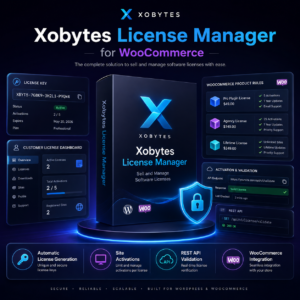
License manager for WooCommerce by XoBytes.com
$25.00
Xobytes License Manager for WooCommerce is a powerful WooCommerce license manager plugin that lets you sell software licenses,…

Plugin Update Server for WordPress by XoBytes.com
$25.00
Plugin Update Server by XoBytes lets WordPress plugin sellers deliver private plugin updates directly to customer dashboards. Upload…
Product 1 of 6
Conclusion
Understanding the true cost of custom software development is essential for any business looking to invest in tailored solutions. By considering both initial and ongoing costs, businesses can make informed decisions that align with their strategic goals. Additionally, leveraging tools like the Agentic Consultant can enhance efficiency and customer engagement, ultimately driving business success.
Comparative Analysis: Off-the-Shelf vs. Custom Software
When considering software solutions, businesses often face a choice between off-the-shelf software and custom software development. Understanding the differences can help in making a more informed decision:
Continue with Understanding the True Cost to Build a Custom Software Development Platform for additional XoBytes guidance.
- Cost: Off-the-shelf solutions typically have lower upfront costs but may incur higher long-term expenses due to licensing fees and limited customization options.
- Customization: Custom software is built to meet specific business needs, while off-the-shelf solutions may require businesses to adapt their processes to fit the software.
- Scalability: Custom software can be designed to grow with your business, while off-the-shelf solutions may have limitations on scalability.
- Support: Custom software often comes with dedicated support from the development team, whereas off-the-shelf solutions may rely on general customer service.
Implementation Steps for Custom Software Development
Implementing custom software requires a structured approach to ensure success. Here are key steps to follow:
- Define Your Objectives: Clearly outline what you want to achieve with the software. Identify pain points and how the software can address them.
- Conduct Market Research: Analyze competitors and market trends to understand the features that may be beneficial for your software.
- Choose the Right Development Methodology: Decide on an approach, such as Agile or Waterfall, that suits your project needs and allows for flexibility or structure as required.
- Develop a Prototype: Create a prototype to visualize the software and gather feedback from stakeholders before full-scale development.
- Iterate and Refine: Use feedback from the prototype to refine the software, ensuring it aligns with business objectives and user needs.
- Launch and Monitor: After development, launch the software and monitor its performance. Be prepared to make adjustments based on user feedback and changing business needs.
Key Considerations for Budgeting Custom Software Development
Beyond initial costs, several factors should be considered when budgeting for custom software development:
- Future Upgrades: Plan for potential upgrades and new features that may be necessary as your business evolves.
- Compliance and Security: Factor in costs related to ensuring the software complies with industry regulations and security standards.
- Training and Onboarding: Allocate budget for training staff on how to effectively use the new software.
- Integration with Existing Systems: Consider costs associated with integrating the new software with your current systems and processes.
Real-World Examples of Custom Software Success
To illustrate the benefits of custom software, consider the following examples:
- Healthcare Provider: A healthcare organization developed a custom patient management system that streamlined appointment scheduling and improved patient communication, resulting in a 30% increase in patient satisfaction.
- E-commerce Business: An online retailer implemented custom software for inventory management, allowing real-time tracking of stock levels and reducing out-of-stock incidents by 40%.
- Manufacturing Company: A manufacturing firm created a custom solution for production monitoring, which provided insights into operational efficiency and reduced downtime by 25%.
Frequently Asked Questions
Below are some common questions regarding the costs and benefits of custom software development:
- What factors influence the cost of custom software development? The cost is influenced by project complexity, technology stack, team location, and project duration.
- How can businesses budget for custom software development? Businesses can budget by assessing needs, estimating development hours, and considering ongoing maintenance costs.
- What are the benefits of custom software development? Custom software offers tailored solutions, improved efficiency, and the ability to scale as business needs change.