
In today’s fast-paced digital landscape, providing exceptional customer support is crucial for any business. Therefore, selecting the right WordPress support ticket plugin can significantly enhance your customer service experience. This practical guide will walk you through the essential features, benefits, and top plugins available for WordPress in 2026.
Why Use a Support Ticket Plugin?
Support ticket plugins streamline customer inquiries, automate responses, and improve overall service efficiency. They help manage customer requests systematically, making it easier for support teams to track and resolve issues. Moreover, these plugins enhance communication between customers and support staff, leading to increased satisfaction and loyalty.
Key Features to Look For
When selecting a WordPress support ticket plugin, consider the following features:
- Support Automation: Automating responses to common queries can save time and improve efficiency.
- Multi-Channel Communication: Ensure the plugin supports various channels like email, chat, and social media.
- Ticket Management: Look for features that allow easy tracking and categorization of tickets.
- Knowledge Base Integration: A built-in knowledge base can help customers find answers independently.
- Customizability: The ability to customize the plugin’s interface to match your brand is essential.
Top WordPress Support Ticket Plugins for 2026
To make your selection easier, here are some of the best WordPress support ticket plugins available:
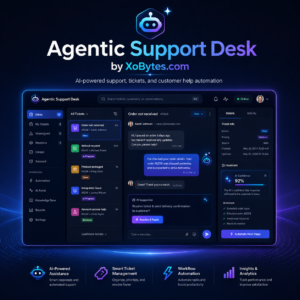
- Agentic Support Desk: This plugin offers robust automation features and integrates seamlessly with WooCommerce, making it ideal for eCommerce businesses.
- WP Support Plus: A versatile plugin that provides extensive ticket management features and a user-friendly interface.
- Zendesk for WordPress: Connects your WordPress site with Zendesk, providing a powerful support ticket system.
- SupportCandy: A free plugin that includes essential features for managing support tickets effectively.
- Awesome Support: This plugin offers a comprehensive solution for managing support tickets with various add-ons for enhanced functionality.
To further explore these plugins and their features, you can check out our detailed guide on Selecting WordPress Support Ticket Plugins.
Integrating Your Support Ticket System
After selecting the right plugin, integration is key. Ensure that the plugin integrates with your existing systems, such as CRM and email marketing tools. Moreover, training your support staff on how to use the new system efficiently can significantly improve response times and customer satisfaction.
Best Practices for Using Support Ticket Plugins
Here are some best practices to follow when using support ticket plugins:
- Regularly Update Your Knowledge Base: Keep your knowledge base updated with the latest information to empower customers to find answers independently.
- Monitor Performance Metrics: Track response times and ticket resolution rates to identify areas for improvement.
- Encourage Feedback: Solicit feedback from customers about their support experience to refine your processes continuously.
Conclusion
Choosing the right WordPress support ticket plugin is vital for enhancing your customer service experience. By considering the key features, exploring top plugins, and following best practices, you can ensure that your support system operates smoothly and effectively. Start improving your customer support today!
Understanding the Different Types of Support Ticket Plugins
Before diving into specific plugins, it’s essential to understand the different types of support ticket plugins available for WordPress. These plugins can be categorized based on their features and the specific needs they address:
- Basic Ticket Management Plugins: These plugins offer fundamental features for managing tickets, such as ticket creation, tracking, and resolution. They are suitable for small businesses with straightforward support needs.
- Advanced Help Desk Solutions: These plugins come with extensive features, including automation, reporting, and multi-channel support. They are ideal for larger organizations that require a comprehensive support system.
- Integration-Focused Plugins: Some plugins are designed to integrate seamlessly with other tools like CRMs, email marketing platforms, and eCommerce systems. This type is perfect for businesses looking to streamline their operations.
Comparing Popular WordPress Support Ticket Plugins
When choosing a support ticket plugin, it can be beneficial to compare the top options based on specific criteria. Here’s a comparison of some of the plugins mentioned earlier:
| Plugin | Key Features | Pricing | Best For |
|---|---|---|---|
| Agentic Support Desk | Robust automation, WooCommerce integration | Starts at $49/year | eCommerce businesses |
| WP Support Plus | Extensive ticket management, user-friendly interface | Free, with premium options | Small to medium businesses |
| Zendesk for WordPress | Powerful support system, multi-channel support | From $5/agent/month | Businesses needing a scalable solution |
| SupportCandy | Essential features, free version available | Free, with paid add-ons | Startups and small teams |
| Awesome Support | Comprehensive management, various add-ons | Free, with premium add-ons | Businesses needing flexibility |
Implementation Steps for Your Support Ticket System
Once you have selected a plugin, implementing it effectively is crucial for maximizing its potential. Here are the steps to follow:
For a practical companion to this section, explore Top Support Ticket Plugins for WordPress: Improve Customer Support Efficiency.
- Install and Activate the Plugin: Navigate to your WordPress dashboard, go to Plugins > Add New, search for your chosen plugin, and click Install. After installation, activate the plugin.
- Configure Settings: Access the plugin settings to customize features like ticket categories, email notifications, and user roles. Tailor these settings to align with your business processes.
- Integrate with Other Tools: If your plugin supports integration with CRM or email marketing tools, follow the provided instructions to connect these systems for streamlined operations.
- Train Your Support Team: Provide training sessions for your support staff to familiarize them with the new system. This will help them utilize all features effectively and improve response times.
- Launch and Monitor: Once everything is set up, launch your support ticket system. Monitor its performance regularly and gather feedback from both customers and support staff to make necessary adjustments.
Related XoBytes Products
Agentic Support Desk for WordPress by XoBytes.com
$19.99
Agentic Support Desk by Xobytes is an AI-powered WordPress support desk built for software sellers, WooCommerce stores, agencies,…

Agentic Consultant, Product Rep, & Customer Service Agent By XoBytes.com
$19.99
Agentic Consultant for WordPress gives your website a smart AI product rep, customer service agent, and hands-free voice…
Tamper Guard by XoBytes | WordPress Plugin Tamper Detector
$25.00
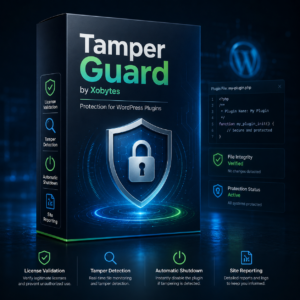
Protect your commercial WordPress plugins with license-based tamper detection, file integrity monitoring, automatic shutdown protection, and site reporting.…
AI SEO Data & Automatic Blog Writer for WordPress by XoBytes
$19.99
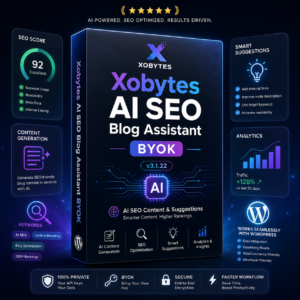
Turn your WordPress site, Google Search Console data, and SEO opportunities into smarter blog posts, pages, titles, meta…

Plugin Update Server for WordPress by XoBytes.com
$25.00
Plugin Update Server by XoBytes lets WordPress plugin sellers deliver private plugin updates directly to customer dashboards. Upload…

Agentic Construction Theme | More than just a theme | Built for all trades
$49.99
Why You Need This Theme And Plugin! Click here for the Demo Agentic Construction Theme by XoBytes is…
Product 1 of 6
Common Challenges and Solutions
Implementing a support ticket system may come with challenges. Here are some common issues and their solutions:
- Low Adoption Rate: If your team is resistant to using the new system, consider running a workshop to showcase its benefits and how it can simplify their work.
- Overwhelming Ticket Volume: If you receive a high volume of tickets, ensure that your automation features are set up correctly to handle common queries, and consider hiring additional support staff if necessary.
- Integration Issues: If you encounter integration issues with other tools, consult the plugin’s support documentation or contact their support team for assistance.
Future Trends in Support Ticket Systems
As technology evolves, so do customer support needs. Here are some future trends to keep an eye on:
- AI-Powered Support: The integration of artificial intelligence in support ticket systems will enhance automation and provide personalized customer experiences.
- Omni-Channel Support: Customers expect seamless support across various platforms. Future plugins will likely offer enhanced omni-channel capabilities.
- Enhanced Analytics: Advanced analytics and reporting features will help businesses gain insights into customer behavior and support performance, allowing for continuous improvement.
Practical Examples of Support Ticket Workflows
Understanding how to implement a support ticket system effectively can be enhanced by looking at practical examples of workflows. Here are two scenarios that illustrate how different businesses can utilize support ticket plugins:
Scenario 1: E-Commerce Business
Imagine a small e-commerce store that receives numerous inquiries about order statuses and product returns. By implementing the Agentic Support Desk plugin, the store can set up automated responses for common questions:
- Order Status: Customers receive an immediate automated reply with a link to track their orders.
- Return Policy: An automated response provides customers with details about the return process, including timeframes and conditions.
This setup reduces the workload on support staff while ensuring customers receive timely information.
Scenario 2: SaaS Company
A software-as-a-service (SaaS) company may face complex technical inquiries. By using the Awesome Support plugin, the company can categorize tickets based on urgency and type:
Continue with Ultimate Guide to Support Ticket Plugins for WordPress in 2026 for additional XoBytes guidance.
- Technical Issues: These tickets are prioritized and routed to specialized technical support agents.
- Billing Questions: These inquiries can be managed by the billing department, ensuring a quick resolution.
This categorization helps streamline the support process and improves response times for critical issues.
Implementation Steps for Advanced Features
Once you have chosen a plugin, consider these implementation steps to leverage advanced features effectively:
- Utilize Automation: Set up automated responses for frequently asked questions to reduce response time.
- Customize User Roles: Assign specific roles to team members based on their expertise, ensuring tickets are handled by the right personnel.
- Integrate with Analytics Tools: Connect your support ticket system with analytics tools to track customer interaction patterns and adjust your strategies accordingly.
- Regularly Review and Update Processes: Schedule periodic reviews of your support processes and ticket categories to ensure they remain relevant and efficient.
Decision Criteria for Selecting a Plugin
When selecting a support ticket plugin, consider the following decision criteria to make an informed choice:
- Scalability: Ensure the plugin can grow with your business needs, especially if you plan to expand your support team.
- Ease of Use: Look for a user-friendly interface that minimizes the learning curve for your support staff.
- Support and Documentation: Evaluate the quality of customer support and the availability of comprehensive documentation for troubleshooting and setup.
- Cost vs. Features: Compare the pricing against the features offered to ensure you are getting value for your investment.
By applying these criteria, you can select a plugin that not only meets your current needs but also adapts to future demands.
Frequently Asked Questions
Below are some common questions regarding WordPress support ticket plugins:
- What features should I look for in a WordPress help desk ticket plugin?
Key features include support automation, multi-channel communication, ticket management, knowledge base integration, and easy customization. - How can I improve customer support efficiency with a WordPress ticket plugin?
By selecting a plugin with automation, streamlined workflows, and multi-channel support, you can reduce response times and enhance customer satisfaction. - Are there any recommended help desk plugins for WordPress in 2026?
Yes, plugins like Agentic Support Desk and others highlighted in related articles offer robust features tailored for WordPress support needs.