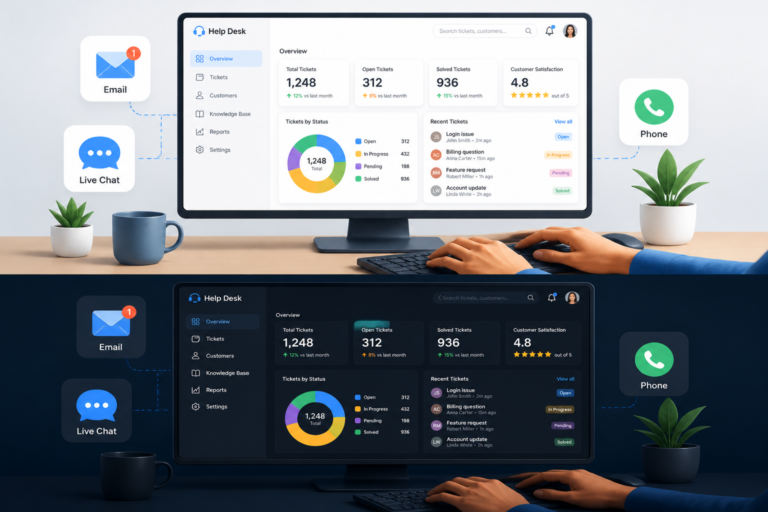
In today’s fast-paced digital landscape, effective customer support is crucial for any business. Therefore, selecting the right WordPress help desk ticket plugin can significantly enhance your customer service experience. This article explores the top features to look for in WordPress help desk ticket plugins to help you make an informed decision.
Why Use a Help Desk Ticket Plugin?
Help desk ticket plugins streamline customer inquiries, automate responses, and improve overall support efficiency. Moreover, these plugins can centralize communication, making it easier for support teams to manage requests. As a result, customers receive timely assistance, which can enhance satisfaction and loyalty.
Key Features to Look For
When evaluating help desk ticket plugins, consider the following essential features:
- Support Automation: Automation reduces manual tasks, allowing your team to focus on more complex issues. For example, automated responses can acknowledge ticket submissions immediately.
- Multi-Channel Communication: Customers reach out via various channels, including email, chat, and social media. A robust plugin should support these channels to provide a seamless experience.
- Ticket Management: Efficient ticket management features help track and prioritize requests. This ensures that no customer inquiry falls through the cracks.
- Knowledge Base Integration: A well-structured knowledge base can empower customers to find answers independently, reducing the number of tickets submitted.
- Customization Options: Every business has unique needs. Therefore, choose a plugin that allows for customization to fit your specific requirements.
Additional Features to Consider
To make this easier, here are some additional features that can enhance your help desk experience:
- Reporting and Analytics: Insights into ticket resolution times, customer satisfaction, and agent performance can help you refine your support strategy.
- Integration Capabilities: Your help desk plugin should integrate with other tools, such as CRM systems and eCommerce platforms, to streamline workflows.
- Mobile Accessibility: A mobile-friendly interface allows your support team to respond to tickets on the go, improving response times.
- Customizable Alerts and Notifications: Set up alerts for new tickets, updates, or escalations to keep your team informed.
Popular WordPress Help Desk Ticket Plugins
Several plugins stand out in the market for their robust features and user-friendly interfaces. Some popular options include:
- Agentic Support Desk: This AI-powered plugin offers a comprehensive suite of features designed to automate and enhance customer support.
- WP Help Desk: A straightforward solution that provides essential ticket management features without overwhelming users.
- Zendesk for WordPress: Integrates seamlessly with Zendesk, allowing you to manage customer support tickets from your WordPress site.
For more insights into the best help desk plugins, check out our top help desk plugins for WordPress article.
How to Choose the Right Plugin
Choosing the right help desk ticket plugin involves assessing your specific needs and the features of each plugin. Start by identifying your primary customer support challenges. Next, compare plugins based on the features discussed above. Finally, consider reading user reviews and seeking demos before making a decision.
Conclusion
In conclusion, selecting the right WordPress help desk ticket plugin is vital for enhancing your customer support system. By focusing on key features such as support automation, multi-channel communication, and ticket management, you can improve efficiency and customer satisfaction. Explore the options available today to find the best fit for your business.
Practical Examples of Help Desk Plugins in Action
Understanding how help desk plugins function in real-world scenarios can provide valuable insights into their effectiveness. Here are a few practical examples:
- Scenario 1: E-commerce Store – An online retail business uses a help desk plugin to manage customer inquiries about product returns. The plugin automates responses with a predefined template that includes return policy details, reducing the need for customer service representatives to answer repetitive questions.
- Scenario 2: SaaS Company – A software-as-a-service provider integrates its help desk plugin with a CRM system. This integration allows support agents to view customer purchase history alongside their support tickets, enabling personalized responses and faster resolutions.
- Scenario 3: Educational Institution – A university employs a help desk ticket plugin to handle student inquiries about course registration. The plugin’s knowledge base feature allows students to find answers to common questions, which significantly decreases the number of tickets submitted during peak registration periods.
Comparing Help Desk Plugins: A Side-by-Side Analysis
When evaluating different help desk plugins, it can be helpful to create a comparison chart. Here’s a simplified example:
For a practical companion to this section, explore Top Features to Look for in WordPress Help Desk Ticket Plugins.
| Feature | Agentic Support Desk | WP Help Desk | Zendesk for WordPress |
|---|---|---|---|
| Support Automation | Yes | No | Yes |
| Multi-Channel Support | Yes | Limited | Yes |
| Knowledge Base Integration | Yes | No | Yes |
| Customization Options | Extensive | Basic | Moderate |
| Mobile Accessibility | Yes | No | Yes |
Implementation Steps for Your Help Desk Plugin
Once you have selected a help desk ticket plugin, implementing it effectively is crucial for maximizing its benefits. Here are some steps to guide you through the process:
- Install the Plugin: Go to your WordPress dashboard, navigate to the plugins section, and upload your chosen help desk plugin.
- Configure Settings: Access the plugin settings to configure options such as ticket submission forms, email notifications, and automation rules.
- Integrate with Other Tools: If applicable, connect the help desk plugin with your CRM, eCommerce platform, or other relevant tools to ensure seamless data flow.
- Set Up a Knowledge Base: Create a knowledge base to empower customers with self-service options. Populate it with FAQs, troubleshooting guides, and other helpful resources.
- Train Your Team: Provide training for your support staff on how to use the new system effectively, emphasizing any unique features of the plugin.
- Monitor and Optimize: After implementation, regularly review ticket resolution times and customer feedback to identify areas for improvement.
Related XoBytes Products
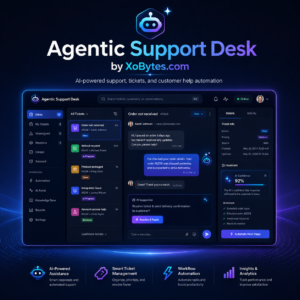
Agentic Support Desk for WordPress by XoBytes.com
$19.99
Agentic Support Desk by Xobytes is an AI-powered WordPress support desk built for software sellers, WooCommerce stores, agencies,…
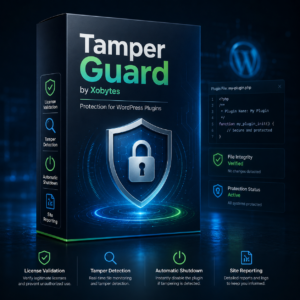
Tamper Guard by XoBytes | WordPress Plugin Tamper Detector
$25.00
Protect your commercial WordPress plugins with license-based tamper detection, file integrity monitoring, automatic shutdown protection, and site reporting.…
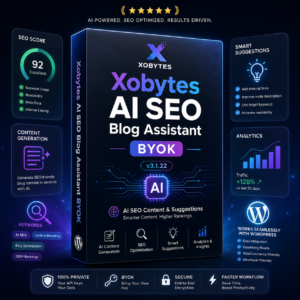
AI SEO Data & Automatic Blog Writer for WordPress by XoBytes
$19.99
Turn your WordPress site, Google Search Console data, and SEO opportunities into smarter blog posts, pages, titles, meta…

Plugin Update Server for WordPress by XoBytes.com
$25.00
Plugin Update Server by XoBytes lets WordPress plugin sellers deliver private plugin updates directly to customer dashboards. Upload…

Agentic Consultant, Product Rep, & Customer Service Agent By XoBytes.com
$19.99
Agentic Consultant for WordPress gives your website a smart AI product rep, customer service agent, and hands-free voice…

Agentic Construction Theme | More than just a theme | Built for all trades
$49.99
Why You Need This Theme And Plugin! Click here for the Demo Agentic Construction Theme by XoBytes is…
Product 1 of 6
Decision Criteria for Selecting a Help Desk Plugin
To help you make a more informed decision, consider the following criteria when selecting a help desk ticket plugin:
- Scalability: Ensure the plugin can grow with your business needs, accommodating increased ticket volume and additional features as necessary.
- User Experience: The interface should be intuitive for both customers submitting tickets and support agents managing them.
- Customer Support: Evaluate the level of support offered by the plugin developers, including documentation, forums, and direct assistance.
- Cost-Effectiveness: Compare pricing models to find a solution that fits your budget while still offering the necessary features.
- Community and Reviews: Research user reviews and community feedback to gauge the plugin’s reliability and performance in real-world applications.
Common Challenges in Customer Support
Understanding the challenges faced in customer support can help you better appreciate the necessity of a robust help desk ticket plugin. Here are some common issues:
- High Ticket Volume: As businesses grow, they often encounter an influx of support requests, making it difficult to manage effectively.
- Delayed Responses: Slow response times can lead to customer dissatisfaction, highlighting the need for automation and efficient ticket management.
- Lack of Centralized Communication: Managing inquiries from multiple channels without a centralized system can create confusion and missed requests.
- Inconsistent Customer Experience: Providing varied levels of support can lead to frustration among customers, emphasizing the importance of standardized processes.
Real-World Impact of Help Desk Plugins
To further illustrate the effectiveness of help desk plugins, consider these additional scenarios:
Scenario 4: Non-Profit Organization
A non-profit organization implements a help desk ticket plugin to manage volunteer inquiries and event registrations. The plugin automates acknowledgment emails and allows volunteers to track their inquiries, leading to improved engagement and reduced administrative workload.
Continue with Streamlining Customer Support: Best Help Desk Ticket Plugins for WordPress for additional XoBytes guidance.
Scenario 5: Healthcare Provider
A healthcare provider uses a help desk plugin to manage patient inquiries regarding appointment scheduling. By integrating the plugin with their existing calendar system, patients can receive instant updates about their appointments, significantly enhancing the patient experience.
Advanced Comparison Metrics for Help Desk Plugins
When comparing help desk plugins, consider these advanced metrics to make a more informed choice:
- Response Time Metrics: Analyze average response and resolution times across different plugins to gauge efficiency.
- Customer Satisfaction Scores: Look for plugins that provide built-in tools for collecting and analyzing customer feedback.
- Custom Reporting Features: Some plugins offer advanced reporting capabilities that allow you to create tailored reports based on specific metrics.
- Integration Depth: Evaluate how deeply the plugin integrates with other tools, such as payment gateways or marketing software, to streamline your operations.
Implementation Best Practices
To ensure a smooth implementation of your chosen help desk ticket plugin, follow these best practices:
- Conduct a Needs Assessment: Before implementation, revisit your customer support goals and identify the features that align most closely with these objectives.
- Engage Stakeholders: Involve your support team in the selection and implementation process to ensure buy-in and gather valuable insights.
- Test the Plugin: Run a pilot program with the plugin to identify any potential issues before a full rollout.
- Gather Feedback Post-Implementation: After the plugin is live, solicit feedback from your support team and customers to identify areas for further improvement.
Long-Term Considerations for Help Desk Plugin Success
To maintain the effectiveness of your help desk ticket plugin over time, consider the following:
- Regular Updates: Keep your plugin updated to benefit from new features and security enhancements.
- Ongoing Training: Provide continuous training for your support staff to ensure they are familiar with all features and best practices.
- Monitor Performance: Regularly review performance metrics to identify trends and areas for improvement.
- Solicit Customer Feedback: Continuously gather feedback from customers to adapt your support processes and improve satisfaction.
Frequently Asked Questions
Here are some common questions regarding help desk ticket plugins:
- What features should I look for in a WordPress help desk ticket plugin? Key features include support automation, multi-channel communication, ticket management, knowledge base integration, and easy customization.
- How can I improve customer support efficiency with a WordPress ticket plugin? By selecting a plugin with automation, streamlined workflows, and multi-channel support, you can reduce response times and enhance customer satisfaction.
- Are there any recommended help desk plugins for WordPress in 2026? Yes, plugins like Agentic Support Desk and others highlighted in related articles offer robust features tailored for WordPress support needs.