
In today’s fast-paced business environment, making informed decisions about technology investments is crucial. One area that often requires careful consideration is custom functionaliteit, or custom functionality, in software. This article explores when to invest in custom functionaliteit and the key indicators that suggest your business could benefit from tailored software solutions.
Understanding Custom Functionaliteit
Custom functionaliteit refers to software features and functions specifically designed to meet the unique needs of a business. Unlike off-the-shelf software, which may not fully address specific operational requirements, custom software can be tailored to enhance efficiency, improve user experience, and drive growth.
Many organizations face challenges that generic solutions cannot resolve. As a result, investing in custom functionaliteit can provide significant advantages, including:
- Increased Efficiency: Tailored software can streamline processes, reduce redundancies, and automate repetitive tasks.
- Scalability: Custom solutions can grow with your business, allowing for easier adjustments as your needs evolve.
- Competitive Advantage: Unique functionalities can set your business apart from competitors, offering better services or products.
Key Indicators for Investing in Custom Functionaliteit
Identifying the right time to invest in custom functionaliteit is essential for maximizing your return on investment. Here are some key indicators to consider:
1. Unique Business Processes
If your business has specific processes that are not adequately supported by off-the-shelf solutions, it may be time to consider custom software. For example, if your workflow requires unique data management or reporting capabilities, custom functionaliteit can be designed to meet those specific needs.
For useful background on this topic, see Understanding Custom Software Functionaliteit: Business Benefits Explained.
2. Growth and Scalability Challenges
As your business expands, you may encounter limitations with existing software solutions. Custom software can be designed to scale with your business, accommodating increased user loads and additional functionalities without compromising performance.
3. Integration Needs
When existing software systems need to work together seamlessly, custom solutions can bridge the gap. For instance, if you require integration between various platforms or databases, custom functionaliteit can facilitate smooth data exchanges and enhance overall efficiency.
4. Compliance and Security Requirements
In industries with strict regulations, off-the-shelf software may not meet compliance standards. Custom software can be tailored to adhere to specific regulations, ensuring your business remains compliant while also enhancing security measures.
5. Cost Considerations
While custom software may require a higher upfront investment, it can lead to significant long-term savings. By analyzing the total cost of ownership, including maintenance and upgrade costs of off-the-shelf solutions, you may find that custom functionaliteit is more cost-effective in the long run.
How to Approach Custom Functionaliteit Development
Once you’ve identified the need for custom functionaliteit, the next step is to approach the development process effectively. Here are some best practices:
- Conduct a Needs Assessment: Analyze your business processes and identify specific requirements that custom software must address.
- Engage with Experienced Developers: Collaborate with a development team that understands your industry and can translate your needs into functional software.
- Utilize Agile Methodologies: Implement agile development practices to allow for flexibility and iterative improvements throughout the development process.
- Test and Validate: Conduct thorough testing to ensure the software meets your specifications and performs as expected before full deployment.
Conclusion
Investing in custom functionaliteit can be a transformative decision for your business. By recognizing the key indicators that suggest a need for tailored solutions, you can enhance operational efficiency and maintain a competitive edge. Remember to approach the development process carefully, ensuring that your unique business needs are met through thoughtful planning and collaboration.
For a practical companion to this section, explore Key Signs Your Business Should Invest in Custom Software Solutions.
Practical Examples of Custom Functionaliteit
To better understand the impact of custom functionaliteit, let’s explore a few practical examples across different industries:
- Healthcare: A hospital may require a custom patient management system that integrates with their existing electronic health records (EHR) while providing unique functionalities like telemedicine scheduling, which is not available in standard software.
- Retail: A retail company could benefit from a custom inventory management system that tracks unique product attributes and integrates with their e-commerce platform, providing real-time stock updates and analytics.
- Manufacturing: A manufacturer might need custom software to monitor production lines and gather data from various machinery, allowing for predictive maintenance and reducing downtime.
Comparing Custom Functionaliteit with Off-the-Shelf Solutions
When considering an investment in custom functionaliteit, it’s crucial to compare it with off-the-shelf solutions. Here are some factors to consider:
- Cost: While custom solutions may have higher upfront costs, they can be more economical in the long run when considering ongoing licensing fees and limited functionality of off-the-shelf options.
- Flexibility: Custom software can adapt to changing business needs, while off-the-shelf solutions may require you to adapt your processes to fit their functionalities.
- Support and Maintenance: Custom solutions often come with dedicated support from the development team, ensuring that any issues are addressed promptly, whereas off-the-shelf products may have slower response times for support requests.
Related XoBytes Products

Agentic Consultant, Product Rep, & Customer Service Agent By XoBytes.com
$19.99
Agentic Consultant for WordPress gives your website a smart AI product rep, customer service agent, and hands-free voice…

Agentic Construction Theme | More than just a theme | Built for all trades
$49.99
Why You Need This Theme And Plugin! Click here for the Demo Agentic Construction Theme by XoBytes is…
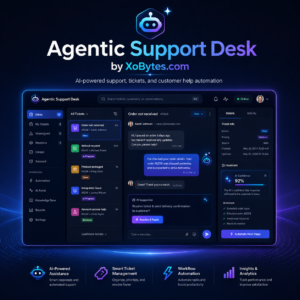
Agentic Support Desk for WordPress by XoBytes.com
$19.99
Agentic Support Desk by Xobytes is an AI-powered WordPress support desk built for software sellers, WooCommerce stores, agencies,…
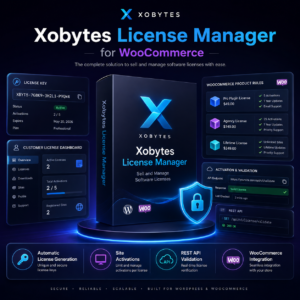
License manager for WooCommerce by XoBytes.com
$25.00
Xobytes License Manager for WooCommerce is a powerful WooCommerce license manager plugin that lets you sell software licenses,…

Agent Shield by XoBytes | Protect against agentic software
$25.00
AgentShield is a WordPress AI Agent Firewall that helps detect, monitor, block, and temporarily ban AI crawlers, AI…
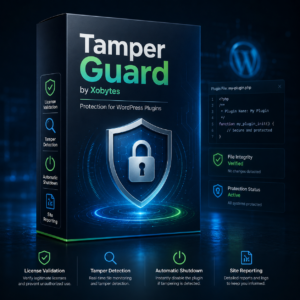
Tamper Guard by XoBytes | WordPress Plugin Tamper Detector
$25.00
Protect your commercial WordPress plugins with license-based tamper detection, file integrity monitoring, automatic shutdown protection, and site reporting.…
Product 1 of 6
Implementation Steps for Custom Functionaliteit
Once you’ve decided to invest in custom functionaliteit, following a structured implementation process can help ensure success:
- Define Objectives: Clearly outline what you want to achieve with the custom software. This includes defining key performance indicators (KPIs) that will measure the software’s success.
- Research Development Partners: Look for development teams with a proven track record in your industry. Review their portfolios and client testimonials to gauge their expertise.
- Develop a Prototype: Before full-scale development, create a prototype or minimum viable product (MVP) to test the core functionalities and gather feedback from users.
- Iterate Based on Feedback: Use feedback from the prototype testing phase to make necessary adjustments before finalizing the software.
- Training and Onboarding: Ensure that your team is adequately trained to use the new system. Provide resources and support during the transition to minimize disruptions.
Decision Criteria for Custom Functionaliteit
When deciding whether to invest in custom functionaliteit, consider the following criteria:
- Business Goals: Align the need for custom software with your overall business strategy and objectives.
- User Requirements: Gather input from end-users to understand their needs and pain points that the custom solution should address.
- Budget Constraints: Assess your budget not just for initial development but also for ongoing maintenance and future upgrades.
- Timeline: Determine how quickly you need the solution. Custom development may take longer than deploying off-the-shelf solutions.
Practical Considerations for Custom Functionaliteit
When contemplating an investment in custom functionaliteit, it is important to consider various practical aspects that can influence the success of your project. Here are some key considerations:
- Long-term Vision: Ensure that your investment aligns with your long-term business strategy. Custom software should not only solve current problems but also be adaptable for future needs.
- User-Centric Design: Involve end-users in the design process to ensure that the software meets their needs and enhances their experience. This can lead to higher adoption rates and satisfaction.
- Technology Stack: Choose the right technology stack that supports scalability and integration with other systems. Consider factors such as performance, security, and community support.
Case Studies: Successful Custom Functionaliteit Implementations
Examining successful implementations of custom functionaliteit can provide valuable insights into the potential benefits and best practices. Here are a few case studies:
Continue with Custom Made Software: Key Advantages and When to Invest for additional XoBytes guidance.
Finance Sector: Custom Risk Management Software
A financial institution developed a custom risk management system that integrated real-time data analytics with existing financial models. This tailored solution enabled them to assess risks more accurately and respond to market changes swiftly, resulting in improved decision-making and reduced financial losses.
Education: Tailored Learning Management System
An educational institution created a custom learning management system (LMS) that incorporated unique assessment tools and personalized learning paths. This system allowed educators to track student progress more effectively and provide tailored support, leading to improved student outcomes.
Key Metrics to Measure Success
To evaluate the effectiveness of your custom functionaliteit, consider tracking the following key performance metrics:
- User Adoption Rate: Measure how quickly and extensively users are adopting the new software.
- Process Efficiency: Analyze improvements in workflow efficiency and time savings post-implementation.
- Return on Investment (ROI): Calculate the financial benefits gained from the custom software against the initial investment and ongoing costs.
- User Satisfaction: Conduct surveys or gather feedback to assess user satisfaction with the new functionalities.
Future Trends in Custom Functionaliteit
As technology evolves, so do the possibilities for custom functionaliteit. Here are some trends to watch for:
- Artificial Intelligence Integration: Incorporating AI can enhance functionalities, such as predictive analytics and personalized user experiences.
- Low-Code Development: The rise of low-code platforms allows for faster development cycles and easier adjustments to custom software.
- Focus on Cybersecurity: As cyber threats increase, custom software will need to prioritize security features tailored to specific industry needs.
Frequently Asked Questions
Here are some common questions regarding custom functionaliteit:
- Wat is de definitie van custom software functionaliteit?
Custom software functionaliteit verwijst naar op maat gemaakte functies en features die specifiek zijn ontworpen om aan de unieke behoeften van een bedrijf te voldoen, in tegenstelling tot standaardsoftware. - Wanneer moet een bedrijf overwegen om te investeren in custom functionaliteit?
Een bedrijf moet overwegen om te investeren in custom functionaliteit wanneer standaardsoftware niet voldoet aan de specifieke bedrijfsprocessen, of wanneer maatwerk efficiëntie, schaalbaarheid en concurrentievoordeel biedt. - Hoe ontwikkel ik effectieve custom functionaliteit voor mijn bedrijf?
Het ontwikkelen van effectieve custom functionaliteit vereist een grondige analyse van bedrijfsbehoeften, samenwerking met ervaren ontwikkelaars, en het gebruik van best practices voor softwareontwikkeling en projectmanagement.