In today’s fast-paced business environment, managing and funding custom software projects can be challenging yet rewarding. Therefore, understanding strategic tips for these projects is essential for ensuring successful outcomes. This article will explore various aspects of managing custom software projects, including budgeting, planning, and funding strategies.
Understanding Custom Software Development
Custom software development refers to creating software applications tailored specifically to meet the needs of a business. Unlike off-the-shelf solutions, custom software is designed to address unique challenges and optimize operational efficiency. As a result, investing in custom software can lead to significant improvements in productivity and growth.
However, before diving into development, businesses must consider several factors that influence the success of their projects. For example, identifying the specific needs of the business, understanding budget constraints, and ensuring stakeholder alignment are critical steps in the planning process.
For useful background on this topic, see Cost Breakdown and Budgeting Tips for Custom Software Platforms.
Key Considerations for Managing Custom Software Projects
To effectively manage custom software projects, consider the following strategic tips:
- Define Clear Objectives: Clearly outline the goals and objectives of the software project. This clarity helps in aligning team efforts and resources toward a common purpose.
- Engage Stakeholders: Involve key stakeholders early in the process. Their input can provide valuable insights and help in managing expectations throughout the project lifecycle.
- Choose the Right Development Methodology: Depending on the project’s nature, selecting an appropriate development methodology, such as Agile or Waterfall, can impact the project’s success significantly.
Effective Budgeting Strategies for Custom Software Projects
Budgeting for custom software projects requires careful planning and consideration. Here are some effective strategies:
- Conduct a Cost Analysis: Before starting the project, conduct a thorough cost analysis to estimate the overall budget. This analysis should include development costs, maintenance, and potential future upgrades.
- Set Aside Contingency Funds: Include contingency funds in your budget to account for unforeseen issues that may arise during the development process.
- Monitor Expenses Regularly: Continuously monitor project expenses against the budget. This practice helps identify any discrepancies early and allows for timely adjustments.
Funding Your Custom Software Projects
Funding is a crucial aspect of custom software projects. Here are some tips for securing the necessary funds:
For a practical companion to this section, explore Comprehensive Guide to Estimating and Budgeting for Custom Software Development.
- Explore Various Funding Options: Consider different funding sources such as venture capital, crowdfunding, or internal budget allocation. Each option has its pros and cons, so assess which aligns best with your business model.
- Present a Strong Business Case: When seeking funding, present a compelling business case that outlines the potential return on investment (ROI) and the benefits the software will bring to the organization.
- Leverage Grants and Incentives: Research available grants and incentives for technology development in your region. Many governments offer support for businesses investing in technology and innovation.
Best Practices for Managing Software Projects
To ensure the successful management of custom software projects, consider the following best practices:
- Prioritize Features: Focus on developing the most critical features first. This approach allows for a quicker release and the ability to gather user feedback early in the process.
- Adopt Agile Development: Implement Agile methodologies to enhance flexibility and responsiveness to changes in project requirements.
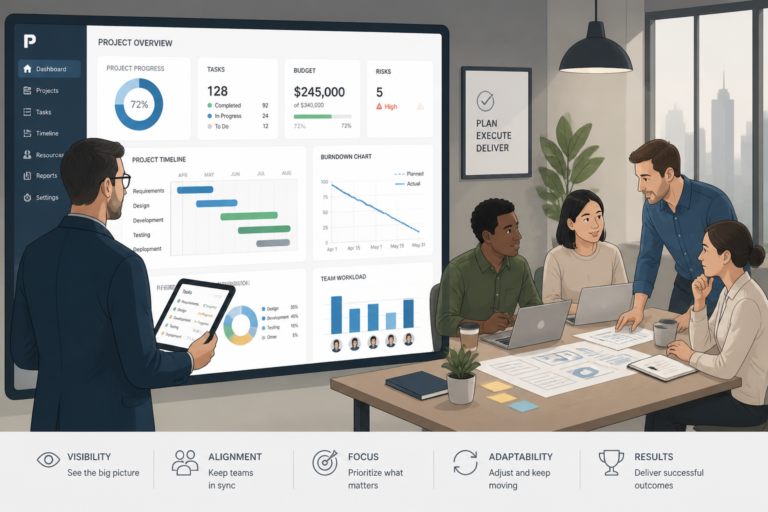
- Utilize Project Management Tools: Leverage project management tools to track progress, manage tasks, and facilitate communication among team members.
Conclusion
In conclusion, managing and funding custom software projects requires strategic planning and execution. By defining clear objectives, engaging stakeholders, and adopting effective budgeting and funding strategies, businesses can enhance their chances of successful project outcomes. Therefore, consider implementing these tips to ensure your custom software projects meet their intended goals.
Related XoBytes Products

Agentic Consultant, Product Rep, & Customer Service Agent By XoBytes.com
$19.99
Agentic Consultant for WordPress gives your website a smart AI product rep, customer service agent, and hands-free voice…

Agentic Construction Theme | More than just a theme | Built for all trades
$49.99
Why You Need This Theme And Plugin! Click here for the Demo Agentic Construction Theme by XoBytes is…
Agentic Support Desk for WordPress by XoBytes.com
$19.99
Agentic Support Desk by Xobytes is an AI-powered WordPress support desk built for software sellers, WooCommerce stores, agencies,…

Agent Shield by XoBytes | Protect against agentic software
$25.00
AgentShield is a WordPress AI Agent Firewall that helps detect, monitor, block, and temporarily ban AI crawlers, AI…

Tamper Guard by XoBytes | WordPress Plugin Tamper Detector
$25.00
Protect your commercial WordPress plugins with license-based tamper detection, file integrity monitoring, automatic shutdown protection, and site reporting.…
License manager for WooCommerce by XoBytes.com
$25.00
Xobytes License Manager for WooCommerce is a powerful WooCommerce license manager plugin that lets you sell software licenses,…
Product 1 of 6
Practical Examples of Successful Custom Software Projects
Understanding successful implementations of custom software can provide valuable insights. Here are a few examples:
Continue with Understanding the Mechanics of Custom Software for Business Success for additional XoBytes guidance.
- Healthcare Management System: A hospital developed a custom software solution to streamline patient management and scheduling. By integrating electronic health records (EHR) with scheduling functionalities, they reduced patient wait times by 30% and improved staff efficiency.
- E-commerce Platform: A retail company transitioned from a generic e-commerce platform to a custom-built solution. This allowed them to implement unique features tailored to their customer base, resulting in a 50% increase in online sales within six months.
- Inventory Management Tool: A manufacturing firm created a custom inventory management system that integrated with their supply chain processes. This led to a 20% reduction in excess inventory and improved order fulfillment times.
Implementation Steps for Custom Software Development
Implementing a custom software project involves several critical steps to ensure success:
- Requirement Gathering: Collaborate with stakeholders to gather detailed requirements. Use interviews, surveys, and workshops to ensure comprehensive input.
- Prototyping: Develop a prototype to visualize the software’s functionality. This helps in refining requirements and setting clear expectations.
- Development: Choose a development team with the right expertise. Ensure they follow best practices and maintain clear communication throughout the process.
- Testing: Implement a robust testing phase that includes unit testing, integration testing, and user acceptance testing. This step is crucial for identifying and resolving issues before launch.
- Deployment: Plan a strategic deployment that minimizes disruption. Consider a phased rollout to gather feedback and make necessary adjustments.
- Post-Launch Support: After deployment, provide ongoing support and maintenance. Regular updates and user training can enhance software effectiveness.
Comparing Custom Software Development to Off-the-Shelf Solutions
When deciding between custom software and off-the-shelf solutions, consider the following criteria:
- Customization: Custom software offers tailored features, while off-the-shelf solutions provide limited customization options.
- Cost: Custom solutions typically have higher upfront costs, but they can lead to long-term savings by addressing specific business needs. Off-the-shelf software usually has lower initial costs but may incur additional expenses for customization and licensing.
- Scalability: Custom software can be designed to scale with your business growth, whereas off-the-shelf solutions may not adapt as easily to changing needs.
- Support and Maintenance: Custom software often includes dedicated support from the development team, while off-the-shelf solutions may rely on general customer service.
Decision Criteria for Choosing a Development Partner
Selecting the right development partner is crucial for the success of your custom software project. Here are some criteria to consider:
- Experience: Look for a partner with a proven track record in similar projects and industry experience.
- Technical Expertise: Ensure they have the necessary technical skills and knowledge of the latest technologies relevant to your project.
- Communication: Choose a partner who prioritizes clear and open communication, ensuring that you are kept informed throughout the development process.
- Portfolio: Review their portfolio to assess the quality of their previous work and the diversity of projects they have handled.
- Client Testimonials: Seek feedback from previous clients to gauge their satisfaction and the partner’s reliability.
Frequently Asked Questions
Here are some common questions related to managing and funding custom software projects:
- What are the main factors that affect the cost of custom software development? Key factors include project complexity, features required, development time, technology stack, team expertise, and ongoing maintenance costs.
- How can I accurately estimate the budget for my custom software project? Start by defining clear requirements, consult with experienced developers, use cost estimation frameworks, and include contingency funds for unforeseen issues.
- When is custom software development a better choice than off-the-shelf solutions? Custom development is ideal when your business has unique needs that cannot be met by generic tools, or when scalability and integration are critical.
- What are some best practices for managing the costs of custom software projects? Prioritize features, adopt Agile development, continuously monitor progress, and leverage automation tools to reduce time and expenses.