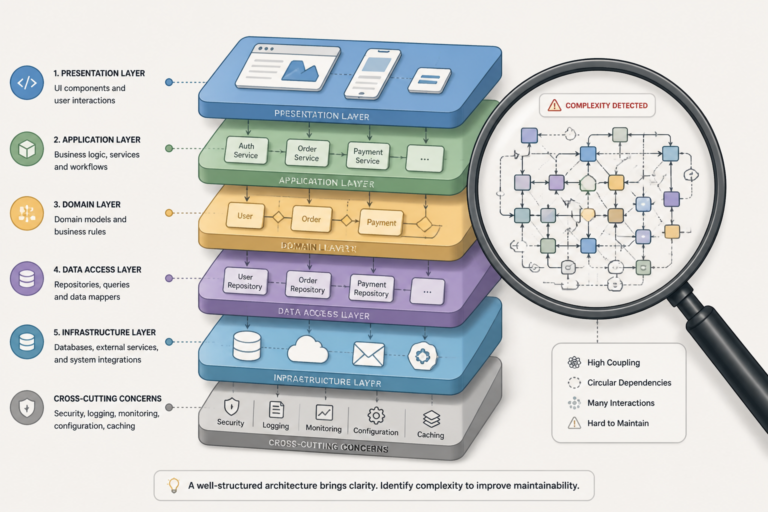
In today’s fast-paced digital landscape, understanding how project scope and complexity impact custom software development costs is essential. Many companies look to tailored software solutions to meet their unique needs, but the costs associated with development can vary significantly based on these factors. Therefore, grasping the relationship between project scope, complexity, and costs is crucial for making informed budgeting decisions.
Understanding Project Scope
Project scope refers to the specific goals, deliverables, tasks, and deadlines associated with a software development project. In other words, it outlines what the project will achieve and the resources required to do so. A well-defined project scope helps in managing expectations and provides a clear framework for the development team.
However, when the project scope expands, the costs can increase dramatically. For example, adding new features or functionalities after the project has started can lead to scope creep, which often results in higher expenses. Therefore, it’s crucial to establish a clear and realistic project scope from the beginning.
The Role of Complexity in Software Development
Complexity in software development can arise from various factors, including the technology stack, integration requirements, and the number of stakeholders involved. In addition, complex projects often necessitate more advanced skills and expertise, which can further drive up costs.
- Technology Stack: The choice of programming languages, frameworks, and tools can significantly influence development costs. More complex technologies may require specialized skills that can be more expensive.
- Integration Requirements: If your project needs to integrate with existing systems or third-party services, this can add complexity and cost. Each integration point requires additional planning and testing.
- Stakeholder Involvement: Projects with multiple stakeholders often face challenges in decision-making and communication. This can lead to delays and increased costs.
Estimating Costs Based on Scope and Complexity
To accurately estimate costs, consider the following:
- Define the Project Scope: Clearly outline all features, functionalities, and deliverables. This step is vital for accurate budgeting.
- Assess Complexity: Evaluate the technology stack and integration requirements. Understanding these aspects will help in estimating the necessary resources.
- Consult Experts: Engaging with experienced developers or consultants can provide valuable insights into potential costs and challenges.
Moreover, using project management tools can help track progress and budget adherence. Many organizations also benefit from a comprehensive guide to custom software development to navigate the complexities involved. You can read more about this in our Comprehensive Guide to Custom Software Development.
Key Factors Influencing Software Development Costs
Several key factors can influence the overall costs of custom software development:
- Development Team Experience: More experienced teams may charge higher rates, but they can also deliver better quality and efficiency.
- Project Timeline: Tight deadlines can increase costs due to the need for additional resources or overtime work.
- Maintenance and Support: Ongoing support and maintenance should also be factored into the overall budget.
To further explore the key factors that influence custom software development rates, check out our article on Understanding the Key Factors That Influence Custom Software Development Rates.
Real-World Examples
To illustrate how project scope and complexity affect costs, consider the following scenarios:
- Small Business CRM: A small business may require a straightforward CRM system. Here, a well-defined project scope can keep costs low, typically around $10,000 to $20,000.
- Enterprise Resource Planning (ERP): In contrast, developing an ERP system for a large corporation involves multiple integrations and complex functionalities, leading to costs exceeding $100,000.
Conclusion
In summary, understanding how project scope and complexity impact custom software development costs is crucial for businesses looking to invest in tailored solutions. By defining the project scope clearly and assessing the complexity involved, organizations can make informed budgeting decisions. Moreover, engaging with experienced developers can help navigate these complexities effectively.
Strategies for Managing Project Scope and Complexity
To effectively manage project scope and complexity, organizations can adopt several strategies that not only help in controlling costs but also enhance project outcomes. Here are some practical approaches:
1. Agile Methodology
Implementing an Agile methodology allows for flexibility in project management. This iterative approach enables teams to:
- Make adjustments based on feedback.
- Prioritize features according to business value.
- Manage scope creep by regularly reviewing project goals.
2. Clear Communication Channels
Establishing clear communication channels among stakeholders is vital. This can be achieved through:
- Regular meetings to discuss progress and challenges.
- Using project management tools for real-time updates.
- Documenting decisions and changes to maintain transparency.
3. Scope Definition Workshops
Conducting workshops to define project scope can be beneficial. In these workshops, stakeholders can:
For a practical companion to this section, explore Top Strategies for Successful Custom Software Development in Modern Businesses.
- Collaboratively outline project goals and deliverables.
- Identify potential risks and complexities early on.
- Agree on a prioritized feature list to guide development.
Practical Examples of Scope and Complexity Management
Understanding how to manage project scope and complexity can be illustrated through real-world examples:
Example 1: E-commerce Platform Development
A mid-sized company looking to develop an e-commerce platform faced challenges with scope and complexity. Initially, the project included basic features such as product listings and a shopping cart. However, as discussions progressed, stakeholders wanted to add:
Related XoBytes Products

Agentic Consultant, Product Rep, & Customer Service Agent By XoBytes.com
$19.99
Agentic Consultant for WordPress gives your website a smart AI product rep, customer service agent, and hands-free voice…
Agentic Support Desk for WordPress by XoBytes.com
$19.99
Agentic Support Desk by Xobytes is an AI-powered WordPress support desk built for software sellers, WooCommerce stores, agencies,…

Agent Shield by XoBytes | Protect against agentic software
$25.00
AgentShield is a WordPress AI Agent Firewall that helps detect, monitor, block, and temporarily ban AI crawlers, AI…

Agentic Construction Theme | More than just a theme | Built for all trades
$49.99
Why You Need This Theme And Plugin! Click here for the Demo Agentic Construction Theme by XoBytes is…

Tamper Guard by XoBytes | WordPress Plugin Tamper Detector
$25.00
Protect your commercial WordPress plugins with license-based tamper detection, file integrity monitoring, automatic shutdown protection, and site reporting.…
License manager for WooCommerce by XoBytes.com
$25.00
Xobytes License Manager for WooCommerce is a powerful WooCommerce license manager plugin that lets you sell software licenses,…
Product 1 of 6
- Customer reviews and ratings
- Advanced analytics for sales tracking
- Integration with multiple payment gateways
This expansion led to increased costs and extended timelines. By adopting Agile practices, the team was able to prioritize essential features for the initial launch, deferring less critical functionalities to future iterations.
Example 2: Mobile Application for Healthcare
A healthcare startup aimed to develop a mobile application that included features for appointment scheduling, telemedicine, and patient records management. The complexity arose from stringent regulatory requirements and the need for secure data handling. To manage this:
- The team engaged compliance experts early in the project.
- They utilized a phased approach, launching the scheduling feature first, followed by telemedicine capabilities.
This strategy minimized initial costs and allowed for user feedback to shape subsequent features.
Decision Criteria for Project Scope and Complexity
When determining the appropriate scope and complexity for a software project, consider the following criteria:
- Business Objectives: Align project goals with overall business objectives to ensure relevance and necessity.
- User Needs: Conduct user research to understand what features are essential for the target audience.
- Budget Constraints: Assess available budget and prioritize features that provide the highest return on investment.
- Technical Feasibility: Evaluate the technical capabilities of the development team and the technology stack to ensure successful implementation.
By applying these decision criteria, organizations can make informed choices about the scope and complexity of their projects, ultimately leading to more successful outcomes.
Implementation Steps for Effective Scope and Complexity Management
To successfully manage project scope and complexity, organizations should follow a structured approach. Here are the key implementation steps:
Continue with Understanding the True Cost and Key Considerations in Custom Software Development for additional XoBytes guidance.
- Initial Assessment: Conduct a thorough assessment of the project requirements and stakeholder expectations. This includes gathering input from all relevant parties to ensure a comprehensive understanding of the project goals.
- Define Clear Objectives: Set specific, measurable, achievable, relevant, and time-bound (SMART) objectives for the project. This clarity helps in aligning the project scope with business goals.
- Develop a Detailed Project Plan: Create a project plan that outlines tasks, timelines, and resource allocation. This should include a risk management plan to address potential challenges related to scope and complexity.
- Regular Review and Adjustments: Schedule regular check-ins to review project progress against the defined scope. Be prepared to make adjustments based on feedback and changing requirements.
- Document Changes: Maintain thorough documentation of any changes to the project scope, including reasons for changes and their impact on timelines and costs.
Comparative Analysis of Development Approaches
When considering how project scope and complexity affect costs, it’s helpful to compare different development approaches. Here’s a brief overview:
- Waterfall Model: This traditional approach is linear and sequential, making it easier to define project scope upfront. However, it can be inflexible in accommodating changes, leading to potential cost overruns if scope adjustments are needed later.
- Agile Methodology: Agile allows for iterative development and flexibility, which can help manage complexity effectively. It encourages continuous feedback and adaptation, making it easier to control costs associated with scope changes.
- Hybrid Approaches: Combining elements of both Waterfall and Agile can provide a balanced solution. This approach allows for detailed planning while maintaining flexibility for adjustments, which can help manage costs associated with project complexity.
Practical Examples of Cost Management in Software Development
Understanding how to manage costs in relation to scope and complexity can be illustrated through practical examples:
Example 1: Social Media Application Development
A startup aimed to develop a social media application with features like user profiles, messaging, and photo sharing. Initially, the project scope was limited. However, as development progressed, stakeholders requested:
- Video sharing capabilities
- Advanced privacy settings
- Integration with other social media platforms
This led to increased development costs. To manage this, the team prioritized core functionalities for the initial launch and planned future iterations for additional features, effectively controlling costs while delivering value.
Example 2: Inventory Management System
A retail company required an inventory management system. The initial scope included basic tracking features. However, as discussions progressed, the need for:
- Real-time analytics
- Supplier integration
- Mobile access
was identified. To manage costs, the team utilized a phased implementation approach, launching the basic system first and adding advanced features in subsequent phases, allowing for budget control and user feedback integration.
Frequently Asked Questions
Understanding the nuances of software development costs can be challenging. Here are some frequently asked questions:
- What factors influence software development costs? Factors include project scope, complexity, team experience, and technology stack used.
- How does project scope affect costs? A larger project scope typically leads to higher costs due to increased resources and time needed.
- Can complexity increase software development time? Yes, more complex projects often require additional planning, testing, and resources, which can extend timelines.