
Investing in custom IT solutions is a significant decision for any business. As technology continues to evolve, organizations must adapt to remain competitive. Therefore, understanding key factors is crucial when considering custom IT development.
Understanding Custom IT Solutions
Custom IT solutions refer to tailored software developed to meet specific business needs. Unlike off-the-shelf software, which is designed for a broad audience, custom solutions are unique and can address particular workflows and challenges. For example, a company may require a specialized inventory management system that integrates seamlessly with its existing processes.
Moreover, custom IT solutions can enhance operational efficiency by automating repetitive tasks, thus allowing employees to focus on more strategic initiatives. As a result, businesses can achieve greater productivity and improve their overall performance.
For useful background on this topic, see Understanding the Key Factors That Influence Custom Software Development Rates.
Key Factors to Consider
When investing in custom IT solutions, several factors should be evaluated. To make this easier, we have outlined the most important ones below:
- Business Needs: Identify the specific needs that the custom IT solution must address. This step is crucial to ensure that the final product aligns with your objectives.
- Budget: Determine how much you can invest in custom IT development. Keep in mind that costs can vary significantly based on complexity and required features.
- Scalability: Consider whether the solution can grow with your business. A scalable system will save you from having to invest in new solutions as your company expands.
- Integration: Ensure that the custom solution can integrate with existing systems. This integration is vital for maintaining workflow efficiency.
- Vendor Experience: Evaluate the experience and expertise of the development vendor. A reputable vendor will have a track record of successful projects and satisfied clients.
- Timeline: Establish a realistic timeline for the development process. Understanding the timeline will help manage expectations and allocate resources effectively.
Evaluating Costs and Benefits
Understanding the costs associated with custom IT development is essential. Costs can vary based on factors such as the scope of the project, the technology stack used, and the development duration. Therefore, businesses should conduct thorough research and possibly consult with experts to get a clearer picture of potential expenses.
In addition, consider the long-term benefits of custom IT solutions. While the initial investment may be higher than off-the-shelf options, the return on investment (ROI) can be substantial. Custom solutions can lead to increased efficiency, improved employee satisfaction, and a stronger competitive position.
Choosing the Right Development Partner
Choosing the right development partner is critical to the success of your custom IT solution. Look for vendors who offer a comprehensive understanding of your industry and have a proven track record in delivering similar projects. For example, you may want to explore options like Understanding Custom Software Development: Benefits, Costs, and Key Factors to gain insights into what to look for in a vendor.
Monitoring and Support
After development, continuous monitoring and support are essential. Ensure that your chosen vendor provides ongoing support and updates to keep the system running smoothly. This step is vital for addressing any issues that may arise and adapting to changing business needs.
Conclusion
Investing in custom IT solutions can significantly benefit your business by providing tailored software that meets your unique needs. By considering the key factors outlined above, you can make informed decisions that will lead to successful outcomes. Remember to evaluate your business needs, budget, and the scalability of the solution, and choose a reputable vendor to ensure a smooth development process.
Related XoBytes Products

Agentic Consultant, Product Rep, & Customer Service Agent By XoBytes.com
$19.99
Agentic Consultant for WordPress gives your website a smart AI product rep, customer service agent, and hands-free voice…
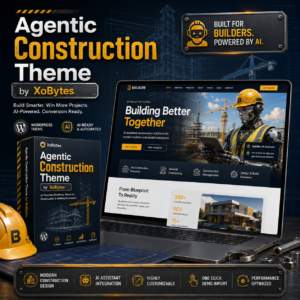
Agentic Construction Theme | More than just a theme | Built for all trades
$49.99
Why You Need This Theme And Plugin! Click here for the Demo Agentic Construction Theme by XoBytes is…
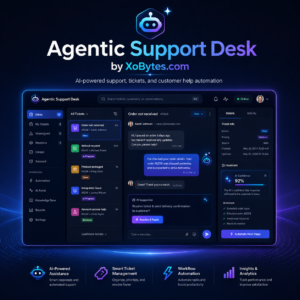
Agentic Support Desk for WordPress by XoBytes.com
$19.99
Agentic Support Desk by Xobytes is an AI-powered WordPress support desk built for software sellers, WooCommerce stores, agencies,…
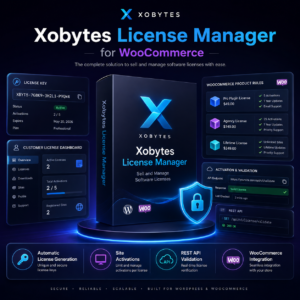
License manager for WooCommerce by XoBytes.com
$25.00
Xobytes License Manager for WooCommerce is a powerful WooCommerce license manager plugin that lets you sell software licenses,…

Agent Shield by XoBytes | Protect against agentic software
$25.00
AgentShield is a WordPress AI Agent Firewall that helps detect, monitor, block, and temporarily ban AI crawlers, AI…
Product 1 of 6
Practical Examples of Custom IT Solutions
To better understand the value of custom IT solutions, consider these practical examples:
- Healthcare Management Systems: Hospitals can develop custom IT solutions that integrate patient records, scheduling, and billing into one platform, enhancing efficiency and improving patient care.
- E-commerce Platforms: A retail business may require a custom e-commerce solution that includes unique features such as personalized recommendations, loyalty programs, and advanced inventory management tailored to their specific needs.
- Manufacturing Execution Systems: A manufacturing firm might invest in a custom IT solution that connects machinery data with supply chain management, allowing for real-time monitoring and optimization of production processes.
Implementation Steps for Custom IT Solutions
Implementing a custom IT solution involves several key steps that ensure the project is completed successfully:
Continue with How Custom Made Software Differs from Off-the-Shelf Solutions: Key Comparisons and Business Benefits for additional XoBytes guidance.
- Requirement Gathering: Collaborate with stakeholders to gather detailed requirements, ensuring all business needs are captured.
- Prototype Development: Create a prototype to visualize the solution and gather feedback from users early in the development process.
- Agile Development Methodology: Utilize agile practices to allow for flexibility and iterative improvements based on ongoing feedback.
- Testing and Quality Assurance: Conduct rigorous testing to identify and resolve any issues before the full rollout.
- Training and Onboarding: Provide comprehensive training for users to ensure they are comfortable with the new system.
- Deployment: Roll out the solution in phases, if necessary, to minimize disruption to business operations.
- Post-Implementation Review: Evaluate the solution’s performance against the initial objectives and gather user feedback for future improvements.
Decision Criteria for Selecting Custom IT Solutions
When considering different custom IT solutions, businesses should evaluate the following criteria:
- Functionality: Does the solution provide all the necessary features to meet your business needs?
- User Experience: Is the interface intuitive and user-friendly for employees?
- Security: What security measures are in place to protect sensitive business data?
- Compliance: Does the solution comply with industry regulations and standards?
- Vendor Support: What level of ongoing support and maintenance does the vendor offer after deployment?
Comparing Custom IT Solutions to Off-the-Shelf Options
When deciding between custom IT solutions and off-the-shelf software, consider the following comparisons:
- Customization: Custom solutions offer tailored features specific to your business, while off-the-shelf products may require workarounds to fit your needs.
- Cost: Although custom solutions may have higher upfront costs, they can lead to long-term savings through increased efficiency.
- Scalability: Custom solutions can be built to scale alongside your business, whereas off-the-shelf products may become obsolete as your needs evolve.
- Integration: Custom solutions can be designed to seamlessly integrate with existing systems, whereas off-the-shelf products may have limited compatibility.
Future Trends in Custom IT Solutions
As technology evolves, several trends are shaping the future of custom IT solutions:
- Artificial Intelligence: Incorporating AI into custom solutions can enhance decision-making and automate complex processes.
- Cloud Computing: Many businesses are moving towards cloud-based custom solutions for better accessibility and scalability.
- Low-Code Development: The rise of low-code platforms allows businesses to create custom applications with minimal coding, speeding up the development process.
- Data Analytics: Custom solutions increasingly include advanced analytics capabilities, allowing businesses to gain insights from their data.
Frequently Asked Questions
Here are some common questions regarding custom IT development:
- What is custom IT development? Custom IT development involves creating tailored software solutions designed specifically to meet a business’s unique needs, rather than using generic off-the-shelf tools.
- When should a business consider custom IT development? A business should consider custom IT development when existing solutions do not fully address its specific workflows, scalability needs, or integration requirements.
- What are the main benefits of custom IT development? The main benefits include increased efficiency, better alignment with business processes, scalability, and a competitive advantage through tailored features.
- How can I estimate the cost of custom IT development? Cost estimation depends on factors like project scope, complexity, technology stack, and development duration. Reviewing related articles on cost breakdowns and pricing models can provide detailed insights.