
In today’s digital landscape, businesses are increasingly recognizing the importance of custom software development. However, understanding the true cost and critical factors involved in building custom software is crucial for making informed decisions. This comprehensive guide explores various elements that influence the costs associated with custom software projects, ensuring you have the knowledge to budget effectively and manage expectations.
To begin with, let’s delve into what custom software development entails. Custom software is designed specifically to meet a company’s unique needs, offering tailored solutions that off-the-shelf software cannot provide. This personalization often leads to increased efficiency and productivity, making it a popular choice among businesses.
Key Factors Influencing the Cost of Custom Software
Understanding the factors that contribute to the overall cost of a custom software project is essential. Here are some of the most significant aspects to consider:
For useful background on this topic, see Understanding the True Cost of Building Custom Software Development Platforms.
- Project Scope: The broader the scope, the higher the cost. Clearly defining the features and functionalities required will help control costs.
- Complexity: More complex projects require more time and resources, leading to increased expenses.
- Technology Stack: The choice of technology can significantly impact costs. Some technologies may require specialized skills, driving up development expenses.
- Team Size: A larger development team can expedite the project but may also increase costs.
- Development Duration: Longer projects typically lead to higher costs due to prolonged resource allocation.
- Integration Requirements: Integrating custom software with existing systems can add complexity and cost to the project.
By considering these factors, businesses can better estimate the expenses associated with their custom software development projects.
Estimating the Costs of Custom Software Development
Accurately estimating the cost of your custom software project is essential for effective budgeting. Here are some strategies to help you achieve this:
- Define Detailed Requirements: Clearly outline your project requirements to avoid scope creep and unexpected costs.
- Evaluate Similar Projects: Research similar projects to gain insights into potential costs and timelines.
- Consult Experienced Developers: Engage with developers who can provide realistic estimates based on their expertise.
- Consider Ongoing Maintenance Costs: Factor in not only the development costs but also the expenses associated with maintaining and updating the software.
Using these strategies can help ensure that your budget aligns with your project goals.
Best Practices for Managing Custom Software Projects
Managing a custom software project effectively requires careful planning and execution. Here are some best practices to keep in mind:
- Clear Scope Definition: Establish a well-defined project scope to minimize changes and additional costs.
- Iterative Development: Employ an iterative approach to development, allowing for adjustments based on feedback and testing.
- Regular Progress Reviews: Conduct frequent check-ins to ensure the project stays on track and within budget.
- Contingency Planning: Prepare for unexpected challenges by setting aside a portion of your budget for contingencies.
Following these practices can lead to a more successful project outcome.
Conclusion
In conclusion, understanding the true cost and critical factors of building custom software is essential for any business looking to embark on such a project. By evaluating the key elements that influence costs, accurately estimating expenses, and implementing best practices for project management, businesses can maximize their investment in custom software.
For further insights, you may want to check out our article on Key Factors Influencing the Cost of Building Custom Software Platforms. This resource provides additional information that can help you navigate the complexities of software development.
Common Misconceptions About Custom Software Costs
When considering custom software development, several misconceptions can lead to misunderstandings about costs. Addressing these can help businesses make more informed decisions:
Related XoBytes Products

Agentic Consultant, Product Rep, & Customer Service Agent By XoBytes.com
$19.99
Agentic Consultant for WordPress gives your website a smart AI product rep, customer service agent, and hands-free voice…

Agentic Construction Theme | More than just a theme | Built for all trades
$49.99
Why You Need This Theme And Plugin! Click here for the Demo Agentic Construction Theme by XoBytes is…
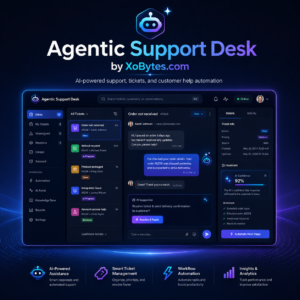
Agentic Support Desk for WordPress by XoBytes.com
$19.99
Agentic Support Desk by Xobytes is an AI-powered WordPress support desk built for software sellers, WooCommerce stores, agencies,…
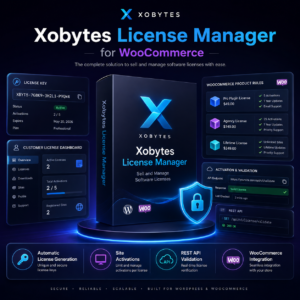
License manager for WooCommerce by XoBytes.com
$25.00
Xobytes License Manager for WooCommerce is a powerful WooCommerce license manager plugin that lets you sell software licenses,…

Agent Shield by XoBytes | Protect against agentic software
$25.00
AgentShield is a WordPress AI Agent Firewall that helps detect, monitor, block, and temporarily ban AI crawlers, AI…
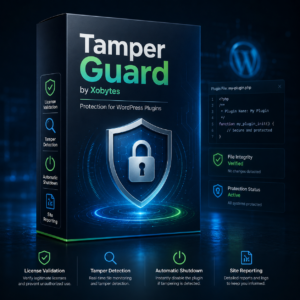
Tamper Guard by XoBytes | WordPress Plugin Tamper Detector
$25.00
Protect your commercial WordPress plugins with license-based tamper detection, file integrity monitoring, automatic shutdown protection, and site reporting.…
Product 1 of 6
- Custom Software is Always Expensive: While custom software can be costly, it also provides tailored solutions that can save money in the long run through increased efficiency.
- All Custom Software is the Same: The cost varies significantly based on the complexity and specific requirements of the project. Simple applications may be less expensive than complex enterprise solutions.
- Development Costs are the Only Consideration: Businesses often overlook ongoing costs such as maintenance, updates, and training, which can add significantly to the total investment.
Real-World Examples of Custom Software Development Costs
Understanding the costs associated with custom software development can be aided by examining real-world examples. Here are a few illustrative cases:
Continue with Understanding the True Cost and Key Drivers of Custom Software Projects for additional XoBytes guidance.
- Startup E-Commerce Platform: A startup developed a custom e-commerce platform for $50,000. The project included essential features such as inventory management, payment processing, and user accounts. After launch, ongoing maintenance costs were approximately $1,000 per month.
- Healthcare Management System: A medium-sized healthcare provider invested $200,000 in a custom management system. This project involved complex data integration and compliance with healthcare regulations, leading to higher initial costs but significant long-term savings in operational efficiency.
- Mobile Application for a Restaurant: A restaurant chain spent $75,000 on a mobile app that allowed customers to place orders and make reservations. The app increased customer engagement and sales, demonstrating a positive return on investment.
Implementing a Custom Software Development Strategy
To successfully implement a custom software development strategy, businesses should follow these steps:
- Conduct a Needs Assessment: Identify the specific needs of your business and how custom software can address them.
- Set Clear Objectives: Define what success looks like for your project, including measurable outcomes.
- Choose the Right Development Partner: Research and select a development team with relevant experience and a proven track record.
- Establish a Realistic Timeline: Create a timeline that accounts for all phases of development, including testing and revisions.
- Monitor Progress: Regularly check in on project milestones and adjust plans as necessary to stay on track.
Cost Control Techniques During Development
Controlling costs during the development process is crucial for staying within budget. Here are some effective techniques:
- Agile Methodology: Implementing agile practices can help teams respond to changes quickly and keep development aligned with business goals.
- Prioritize Features: Use a priority matrix to determine which features are essential for the initial launch and which can be added later.
- Regular Budget Reviews: Conduct monthly budget reviews to track spending against estimates and identify any discrepancies early.
Future Trends in Custom Software Development Costs
As technology evolves, so too does the landscape of custom software development. Here are some trends that may influence future costs:
- Increased Use of AI and Automation: The integration of artificial intelligence and automation tools can streamline development processes, potentially reducing costs.
- Low-Code and No-Code Platforms: These platforms are becoming more popular, allowing businesses to create custom solutions with less coding expertise, which can lower costs.
- Remote Development Teams: The rise of remote work may lead to cost savings, as businesses can hire talent from regions with lower labor costs.
Frequently Asked Questions
Here are some common questions about the costs and factors related to custom software development:
- What are the main factors that influence the cost of custom software development? Key factors include project scope, complexity, technology stack, team size, development duration, and integration requirements.
- How can I accurately estimate the cost of my custom software project? Start by defining detailed requirements, evaluating similar projects, consulting with experienced developers, and considering ongoing maintenance costs.
- What are best practices for managing budget and expectations in custom software projects? Prioritize clear scope definition, iterative development, regular progress reviews, and contingency planning to control costs and expectations.
- How do development duration and team size affect project costs? Longer development timelines and larger teams typically increase costs; efficient planning and scope management help optimize budget.