
In today’s fast-paced business environment, understanding the intricacies of custom software development is crucial for success. Therefore, implementing strategic insights can significantly enhance project outcomes. This article will explore key factors, best practices, and actionable tips for managing custom software development projects effectively.
Understanding Custom Software Development
Custom software development refers to the process of creating software tailored specifically to meet the unique needs of a business. Unlike off-the-shelf solutions, custom software is designed from the ground up, offering flexibility and scalability. Consequently, businesses can achieve greater efficiency and a competitive edge.
Moreover, custom software can integrate seamlessly with existing systems, ensuring that all operations run smoothly. As a result, companies can optimize their workflows and enhance customer satisfaction.
For useful background on this topic, see Top Strategies for Successful Custom Software Development in Modern Businesses.
Key Factors Influencing Successful Custom Software Development
To ensure the success of your custom software development project, consider the following key factors:
- Project Scope: Clearly defining the scope of your project is essential. This includes understanding the features, functionalities, and end goals.
- Technology Stack: The choice of programming languages, frameworks, and tools can significantly impact development time and costs.
- Team Size: The size and expertise of your development team play a crucial role in ensuring timely project completion.
- Development Duration: Setting realistic timelines is vital. Overestimating or underestimating can lead to budget overruns.
- Integration Requirements: Consider how the new software will integrate with existing systems to avoid disruptions.
Best Practices for Custom Software Development
To make your custom software development project successful, follow these best practices:
- Define Clear Objectives: Start by outlining clear business objectives. This will guide the development process and ensure alignment with business goals.
- Engage Stakeholders: Involve key stakeholders throughout the development process. Their feedback is invaluable for refining requirements and expectations.
- Implement Agile Methodologies: Agile development allows for iterative progress and flexibility. This approach helps in adapting to changes and improving project outcomes.
- Regular Testing: Conduct regular testing during development to identify and fix issues early. This practice minimizes the risk of major problems at launch.
- Budget Wisely: Allocate a budget that includes not just development but also maintenance and future upgrades.
Cost Considerations in Custom Software Development
Understanding the costs associated with custom software development is crucial. Here are the primary cost factors to consider:
- Development Costs: These include salaries of developers, project managers, and other team members involved in the project.
- Maintenance Costs: Post-launch, software will require ongoing maintenance and updates, which should be factored into the budget.
- Licensing Fees: Depending on the technology stack, there may be licensing fees for certain tools and software.
- Training Costs: Ensure that team members are trained to use the new software effectively.
To dive deeper into budgeting strategies, check out our article on How to Plan and Budget for Custom Software Development Projects.
Strategic Planning for Custom Software Development
Strategic planning is essential for navigating the complexities of custom software development. Here are some steps to guide your planning process:
- Conduct Market Research: Understand market trends and user needs to inform your software requirements.
- Develop a Roadmap: Create a detailed roadmap that outlines milestones and deadlines.
- Risk Management: Identify potential risks and develop mitigation strategies.
- Feedback Loops: Establish feedback loops with stakeholders to ensure the project stays on track.
Furthermore, consider leveraging tools like Agentic Support Desk to enhance your project management and customer support capabilities.
Conclusion
In summary, successful custom software development projects require strategic insights, careful planning, and ongoing collaboration. By understanding the key factors and best practices outlined in this article, businesses can navigate the complexities of custom software development effectively. Ultimately, these strategies will lead to enhanced efficiency, improved customer satisfaction, and a stronger competitive position in the market.
Implementation Steps for Custom Software Development
Implementing a successful custom software development project involves several critical steps. Each step is designed to build upon the previous one, ensuring a structured approach that minimizes risks and maximizes efficiency.
Related XoBytes Products

Agentic Consultant, Product Rep, & Customer Service Agent By XoBytes.com
$19.99
Agentic Consultant for WordPress gives your website a smart AI product rep, customer service agent, and hands-free voice…

Agentic Construction Theme | More than just a theme | Built for all trades
$49.99
Why You Need This Theme And Plugin! Click here for the Demo Agentic Construction Theme by XoBytes is…
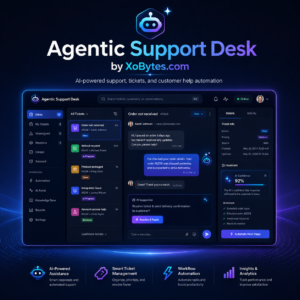
Agentic Support Desk for WordPress by XoBytes.com
$19.99
Agentic Support Desk by Xobytes is an AI-powered WordPress support desk built for software sellers, WooCommerce stores, agencies,…
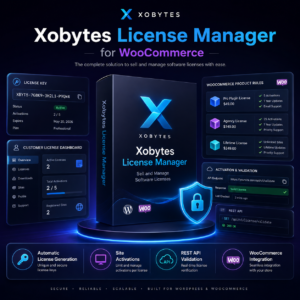
License manager for WooCommerce by XoBytes.com
$25.00
Xobytes License Manager for WooCommerce is a powerful WooCommerce license manager plugin that lets you sell software licenses,…

Agent Shield by XoBytes | Protect against agentic software
$25.00
AgentShield is a WordPress AI Agent Firewall that helps detect, monitor, block, and temporarily ban AI crawlers, AI…
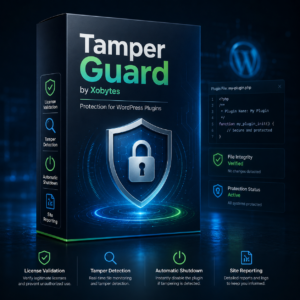
Tamper Guard by XoBytes | WordPress Plugin Tamper Detector
$25.00
Protect your commercial WordPress plugins with license-based tamper detection, file integrity monitoring, automatic shutdown protection, and site reporting.…
Product 1 of 6
Continue with Understanding the Key Factors That Influence Custom Software Development Rates for additional XoBytes guidance.
- Requirement Gathering: Engage with stakeholders to gather detailed requirements. Use techniques such as interviews, surveys, and workshops to capture their needs accurately.
- Feasibility Study: Conduct a feasibility study to assess the technical and financial viability of the project. This includes evaluating the technology stack and potential return on investment (ROI).
- Design Phase: Create wireframes and prototypes to visualize the software. This helps in aligning the development team and stakeholders on the expected outcomes.
- Development: Begin the coding process using Agile methodologies. Regularly update stakeholders on progress and incorporate their feedback.
- Testing: Implement a comprehensive testing strategy that includes unit testing, integration testing, and user acceptance testing (UAT) to ensure the software meets all requirements.
- Deployment: Plan for a smooth deployment by preparing the infrastructure and conducting final checks. Ensure that all stakeholders are trained on the new system.
- Post-Launch Support: Provide ongoing support and maintenance to address any issues and incorporate user feedback for future updates.
Comparing Custom Software Development Approaches
When embarking on a custom software project, businesses often face the decision of which development approach to take. Here are some common approaches to consider:
- Waterfall Model: A linear approach where each phase must be completed before the next begins. This model is suitable for projects with well-defined requirements but lacks flexibility.
- Agile Development: An iterative approach that emphasizes flexibility and customer collaboration. Agile is ideal for projects where requirements may evolve over time.
- DevOps: Combines development and operations to improve collaboration and efficiency. This approach is beneficial for projects requiring continuous integration and delivery.
- Rapid Application Development (RAD): Focuses on quickly building prototypes and getting user feedback. This method is effective for projects with tight deadlines.
Key Metrics for Measuring Project Success
To evaluate the success of your custom software development project, consider tracking the following key performance indicators (KPIs):
- Time to Market: Measure the time taken from project initiation to deployment. A shorter time indicates efficient development processes.
- Budget Variance: Track the difference between the budgeted and actual costs. This helps in assessing financial management effectiveness.
- User Adoption Rate: Analyze how quickly users are adopting the new software. High adoption rates suggest that the software meets user needs.
- Customer Satisfaction: Use surveys and feedback mechanisms to gauge user satisfaction with the software. Positive feedback is a strong indicator of project success.
- Return on Investment (ROI): Calculate the ROI by comparing the benefits gained from the software against the costs incurred. A high ROI indicates a successful project.
Future Trends in Custom Software Development
As technology continues to evolve, several trends are shaping the future of custom software development:
- Low-Code/No-Code Platforms: These platforms allow users to create applications with minimal coding, enabling faster development and empowering non-technical users.
- Artificial Intelligence and Machine Learning: Integrating AI and ML into software solutions can enhance functionality and provide personalized user experiences.
- Cloud-Native Development: Building applications specifically for cloud environments improves scalability and reduces infrastructure costs.
- Microservices Architecture: This approach breaks applications into smaller, independent services, allowing for more flexible and efficient development.
- Enhanced Cybersecurity Measures: As cyber threats grow, incorporating robust security features during the development process is becoming a priority.
Frequently Asked Questions
Here are some common questions related to custom software development:
- What are the main factors that influence the cost of custom software development? Key factors include project scope, complexity, technology stack, team size, development duration, and integration requirements.
- How can I accurately estimate the cost of my custom software project? Start by defining detailed requirements, evaluating similar projects, consulting with experienced developers, and considering ongoing maintenance costs.
- What are best practices for managing budget and expectations in custom software projects? Prioritize clear scope definition, iterative development, regular progress reviews, and contingency planning to control costs and expectations.
- How do development duration and team size affect project costs? Longer development timelines and larger teams typically increase costs; efficient planning and scope management help optimize budget.